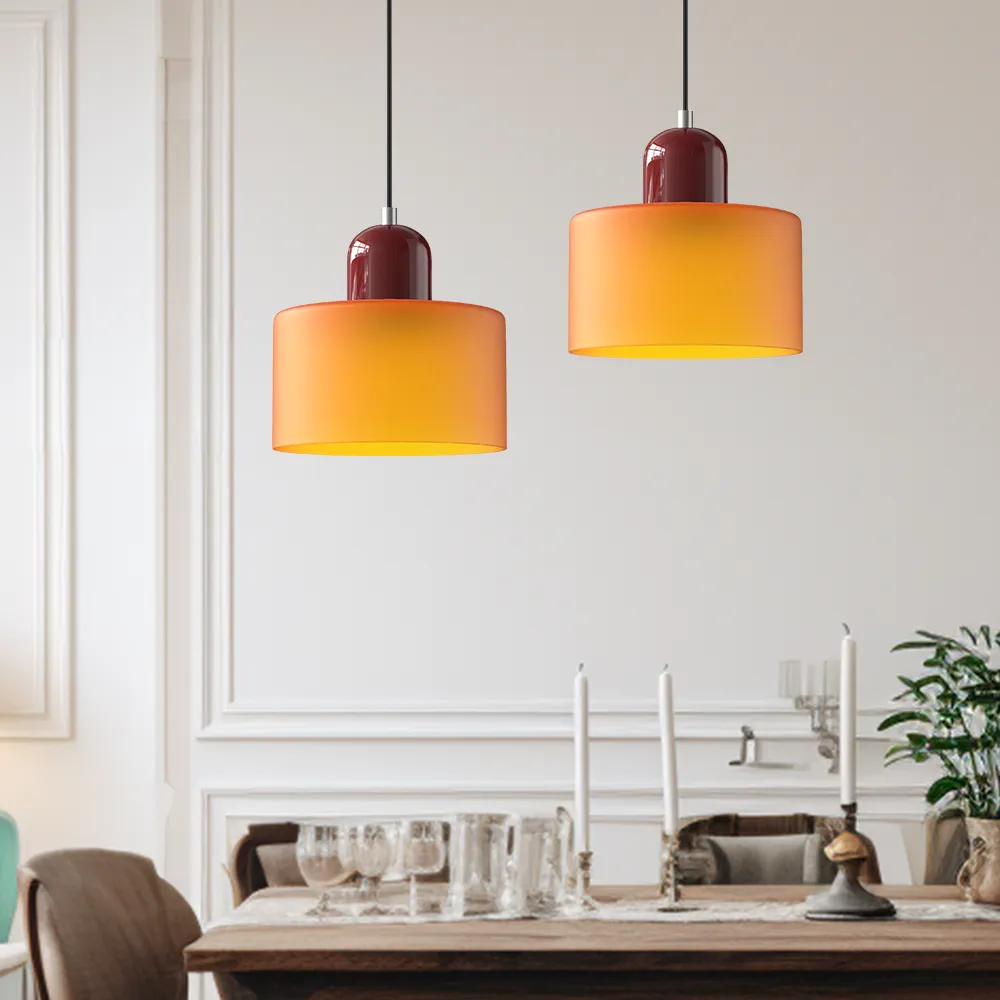
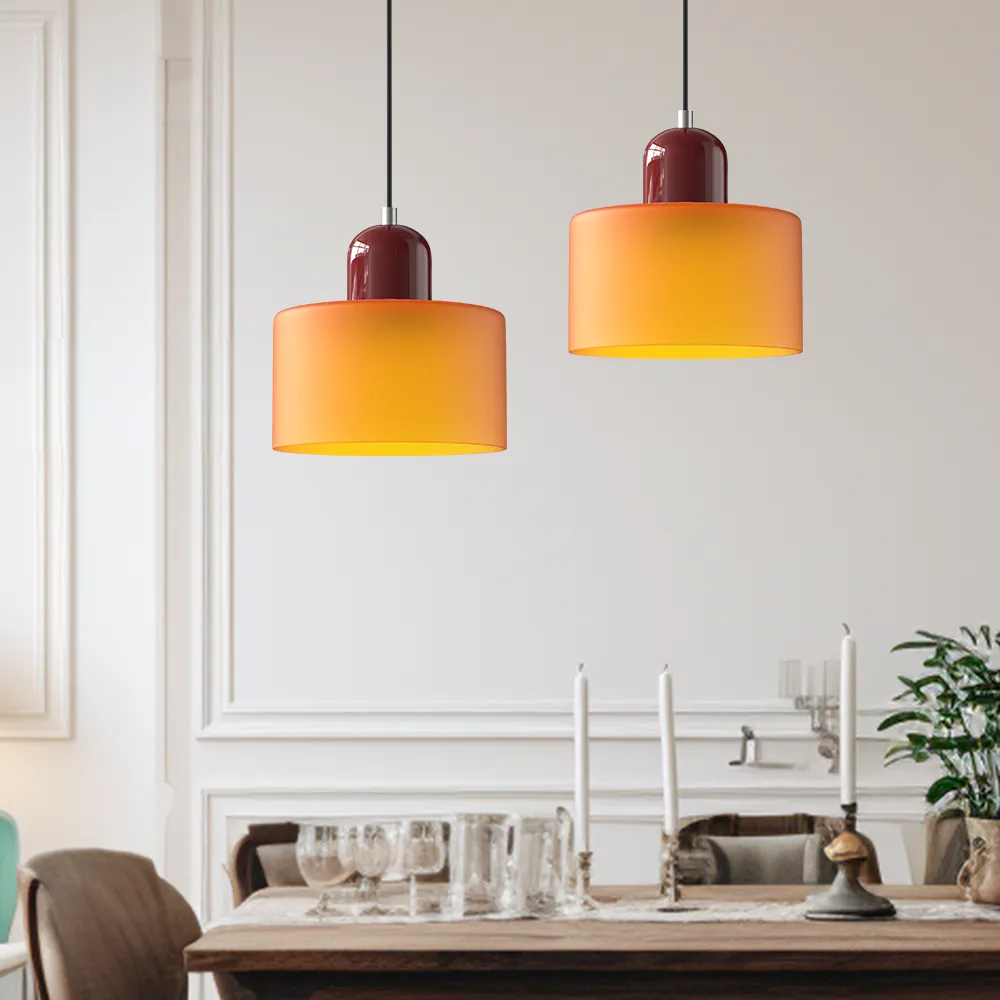
Respuesta breve: primero, ajuste la posición de los centros de las lámparas colgantes y luego verifique el espacio libre entre los bordes de las pantallas. Para una lámpara colgante pequeña de aproximadamente 15 cm de diámetro, una distancia inicial práctica suele ser de 60 a 90 cm entre centros, ajustada según la longitud de la isla y la cantidad de luces. Mantenga una separación uniforme y constante desde cada extremo de la isla, en lugar de colocar las pantallas exteriores justo en las esquinas.
El espaciado puede resultar confuso porque a menudo se denomina "espacio" a tres distancias diferentes. La primera es la distancia entre centros , que va desde el punto de montaje de un colgante hasta el siguiente. La segunda es la distancia entre bordes , que es el espacio libre entre las pantallas visibles. La tercera es la distancia de separación final , que va desde el extremo de una isla hasta el centro del colgante más cercano. Un buen diseño utiliza las tres.
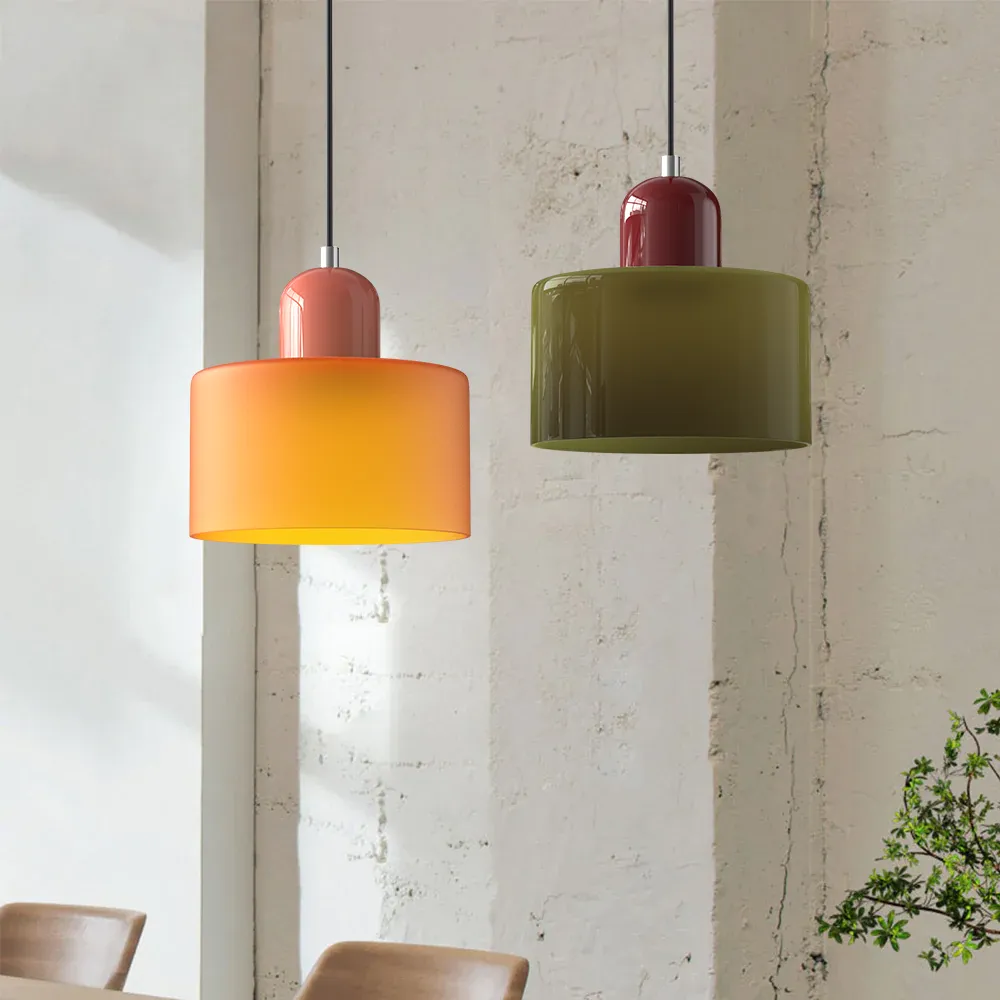
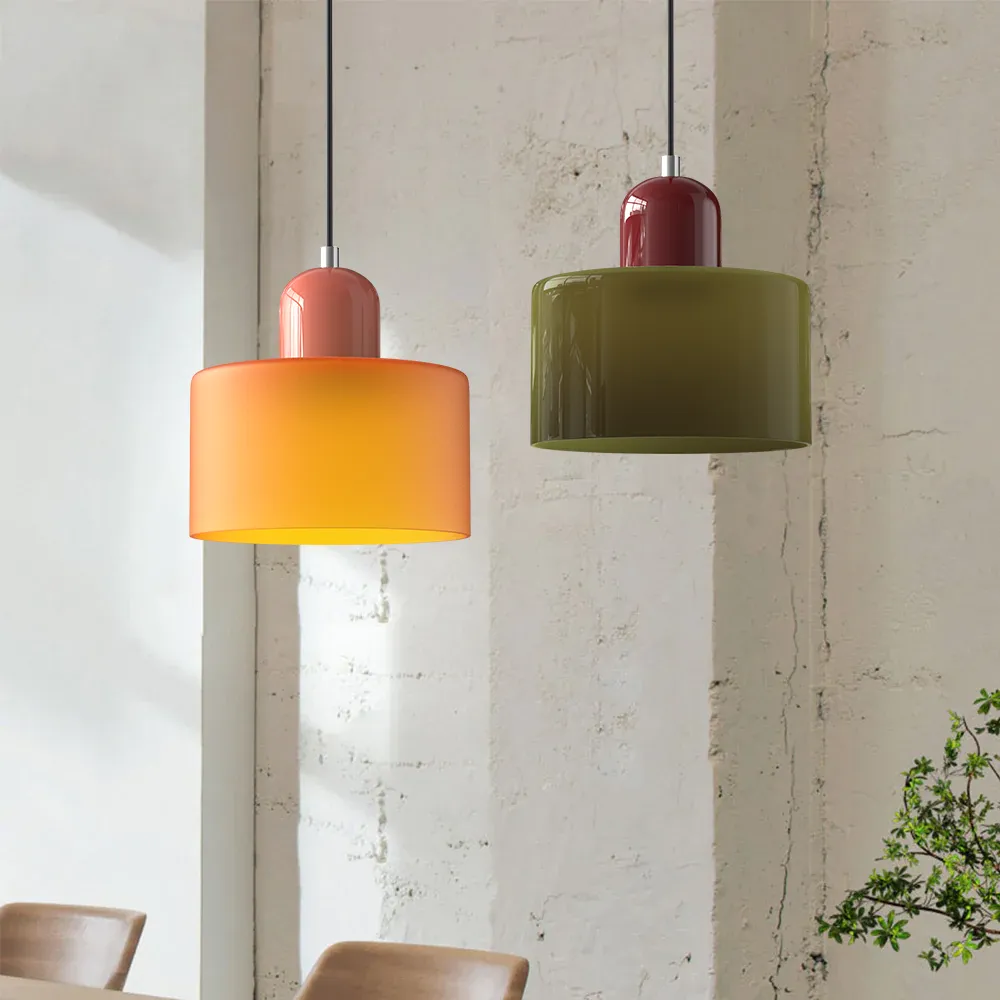
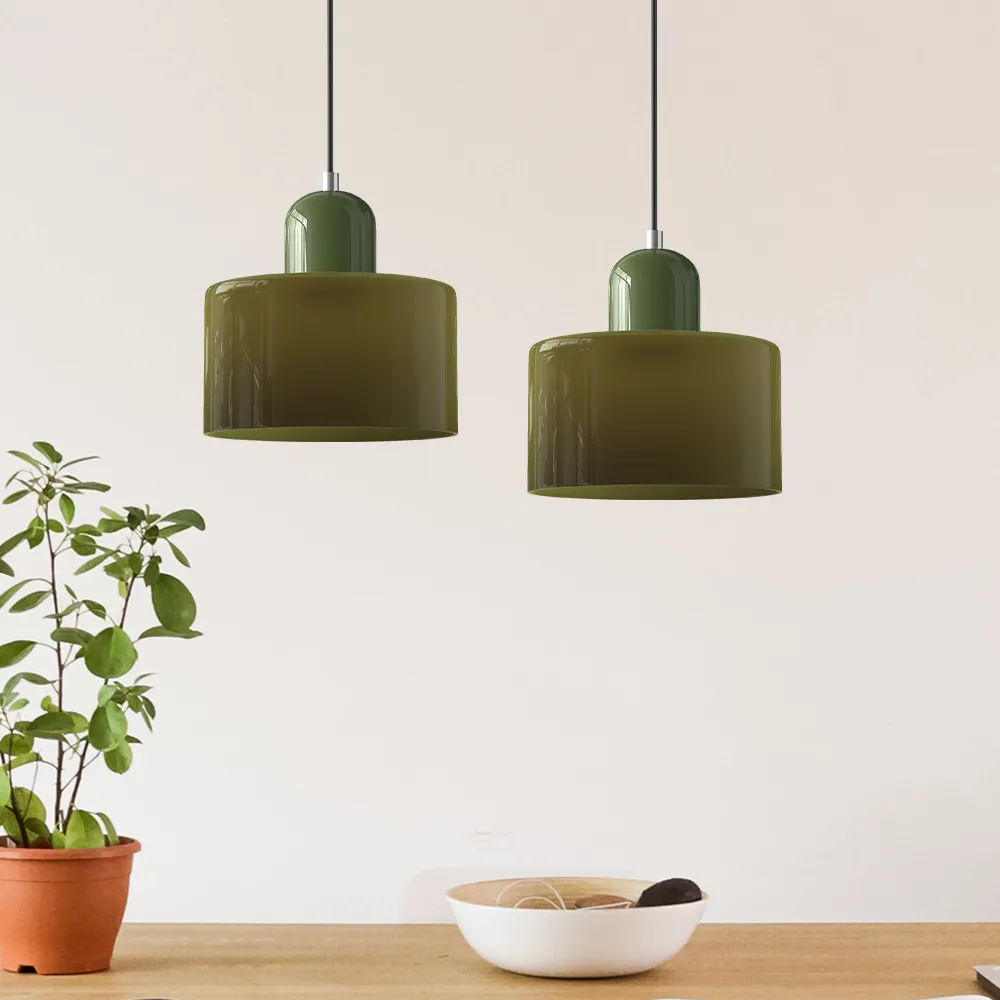
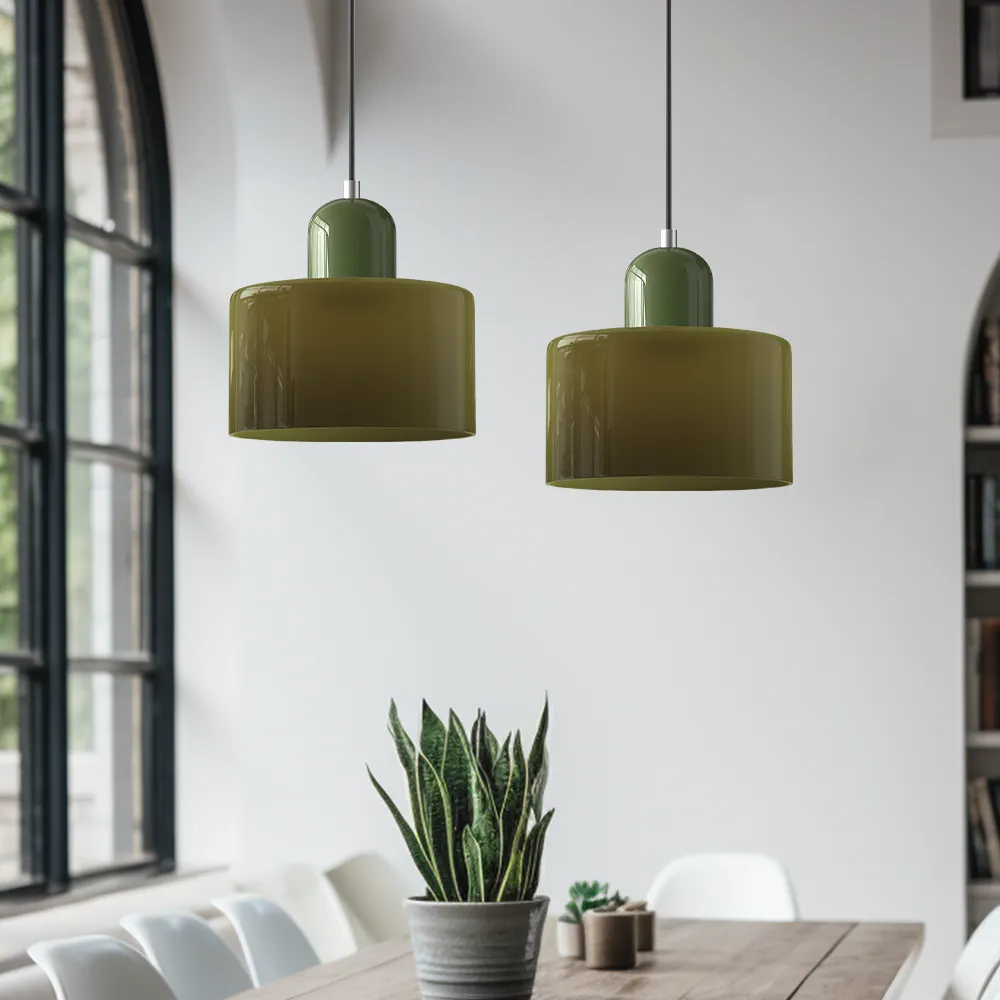
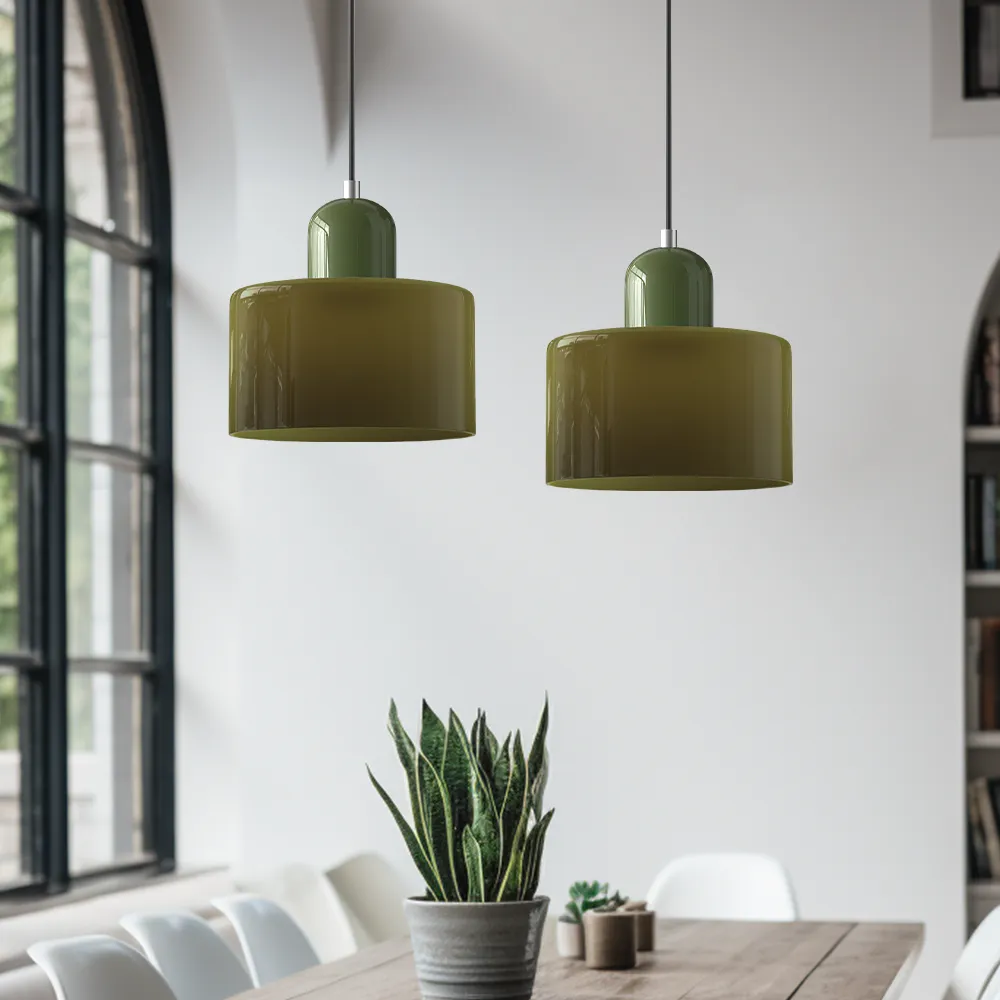
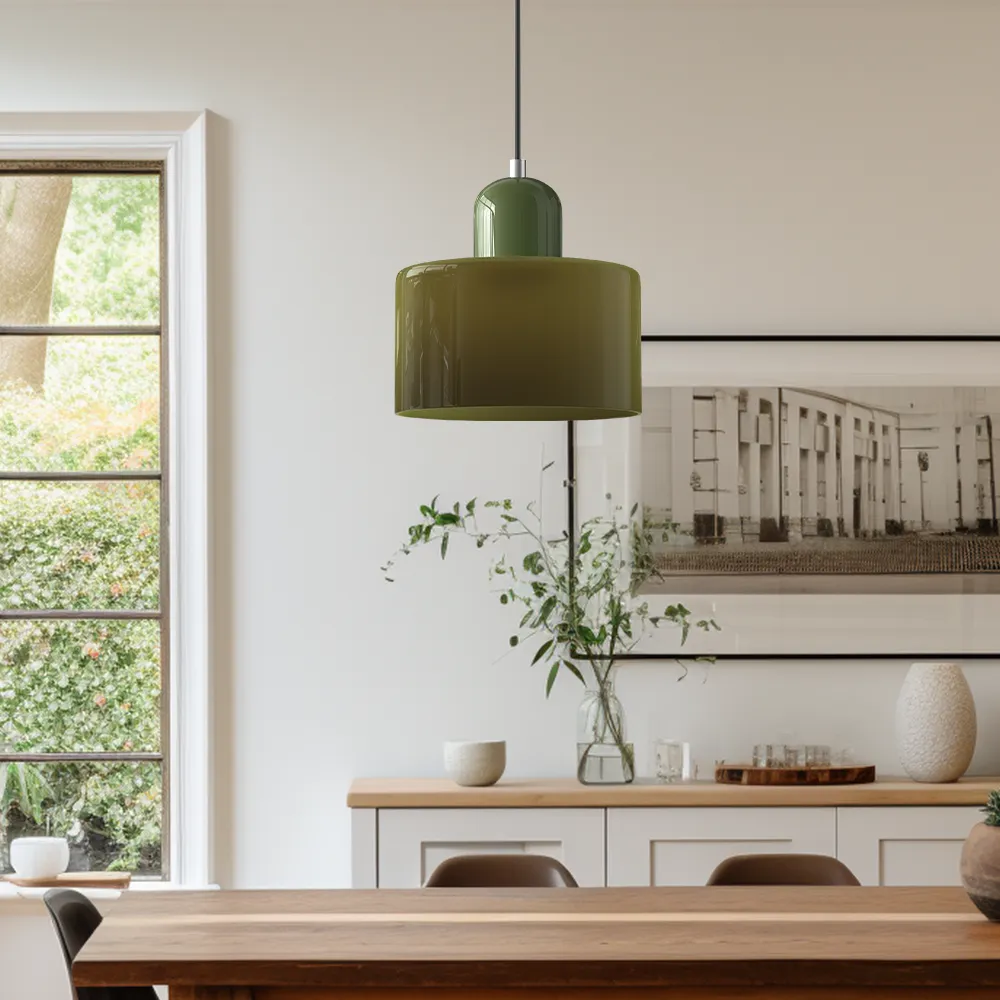
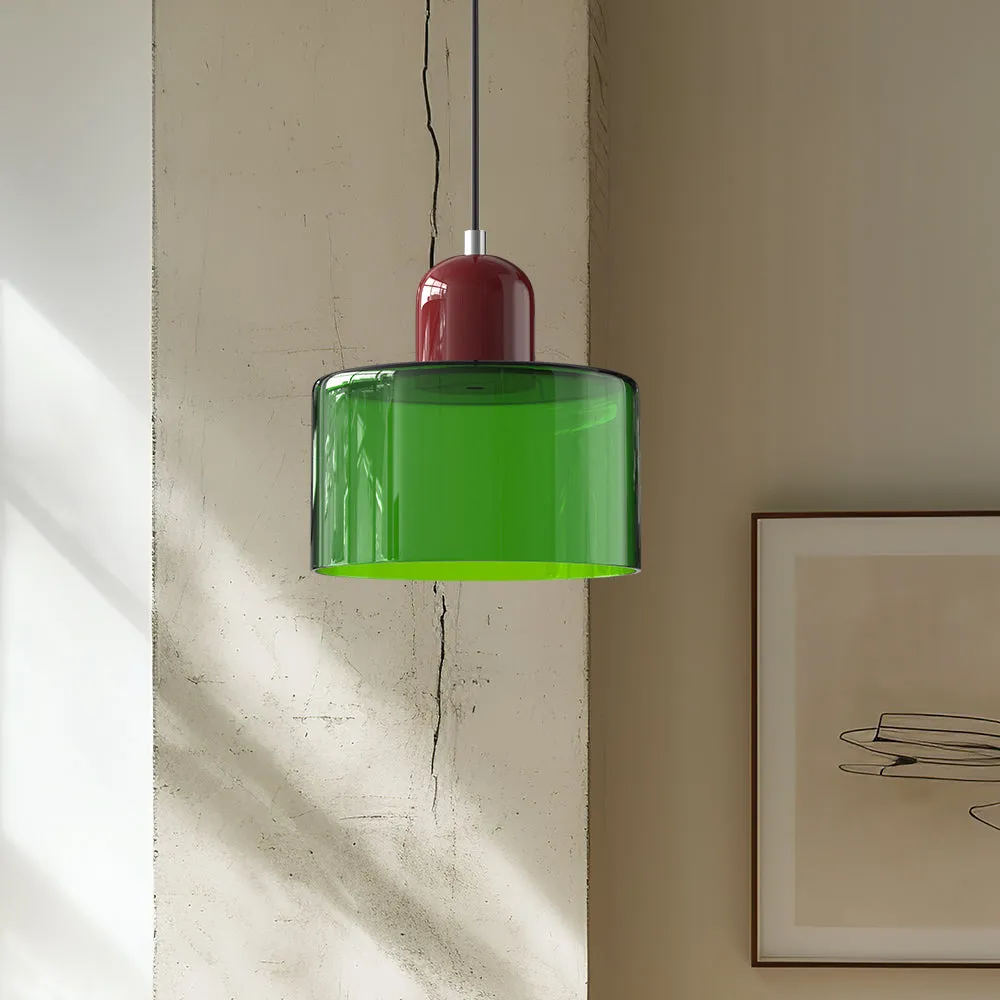
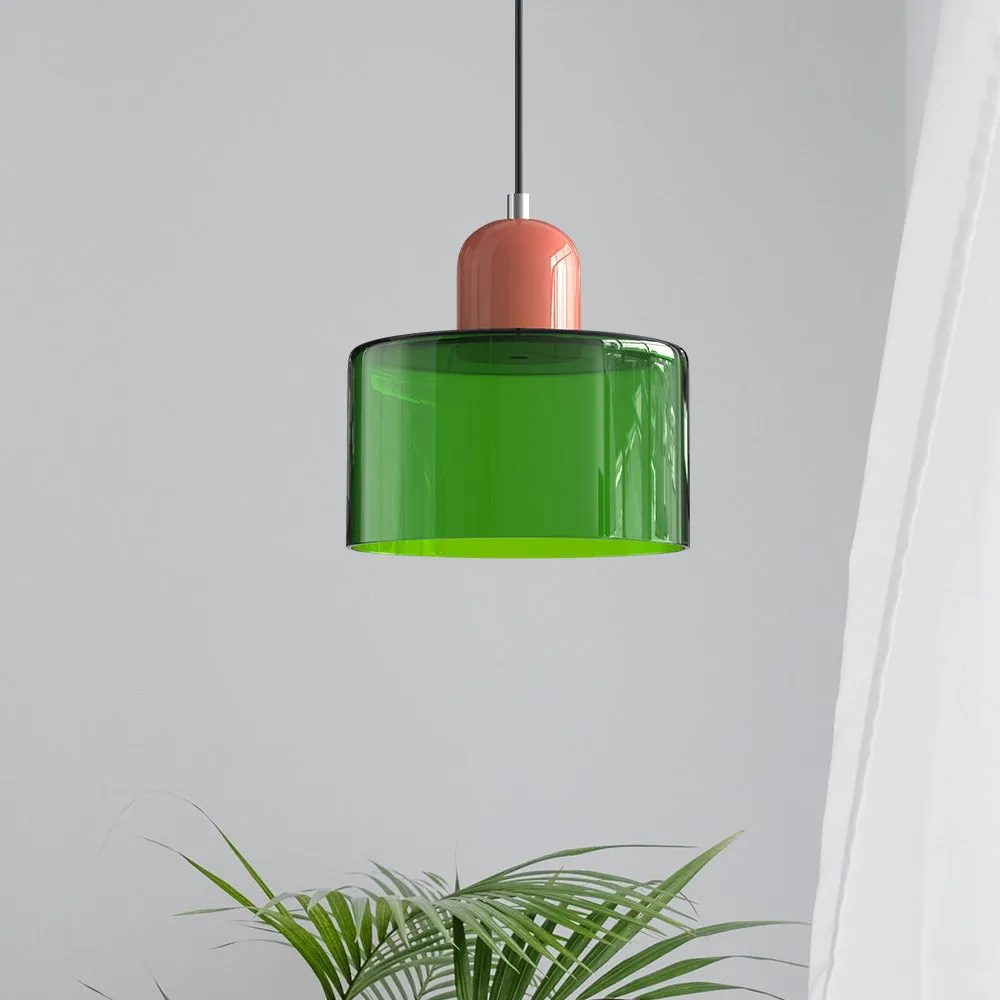
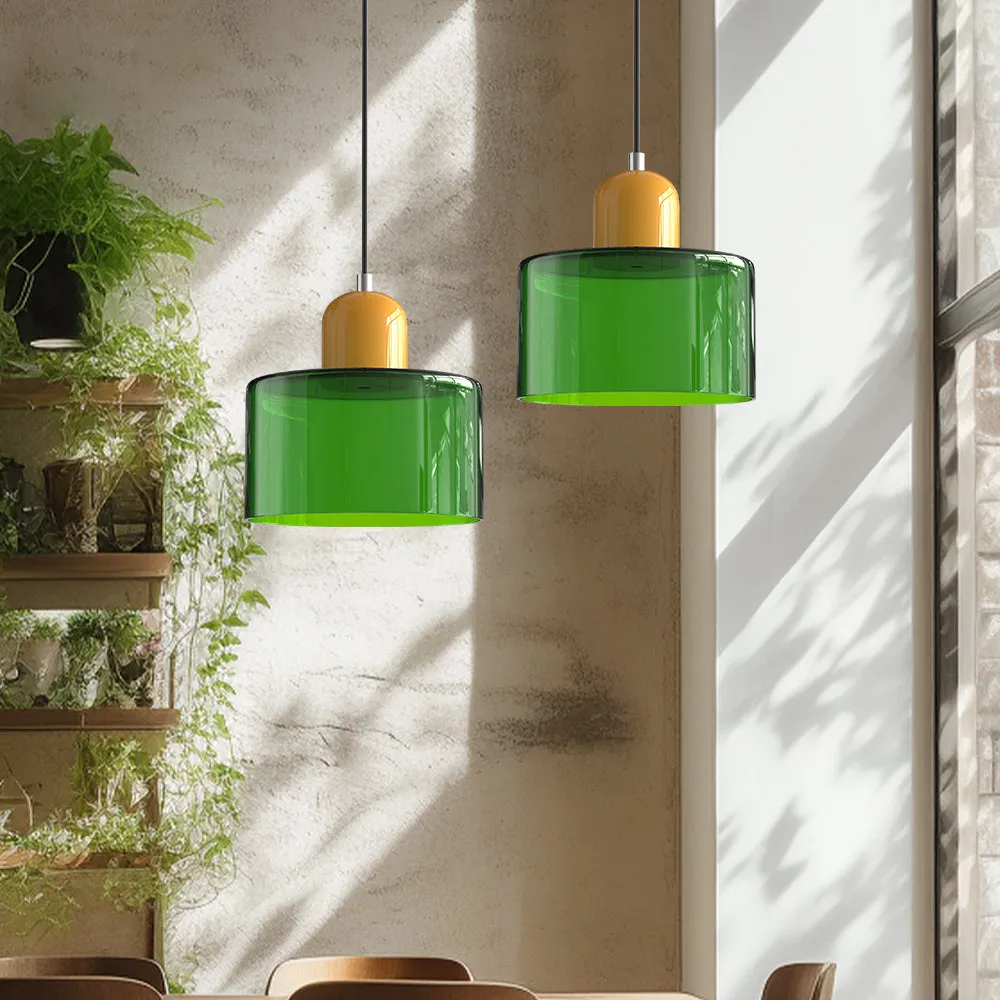
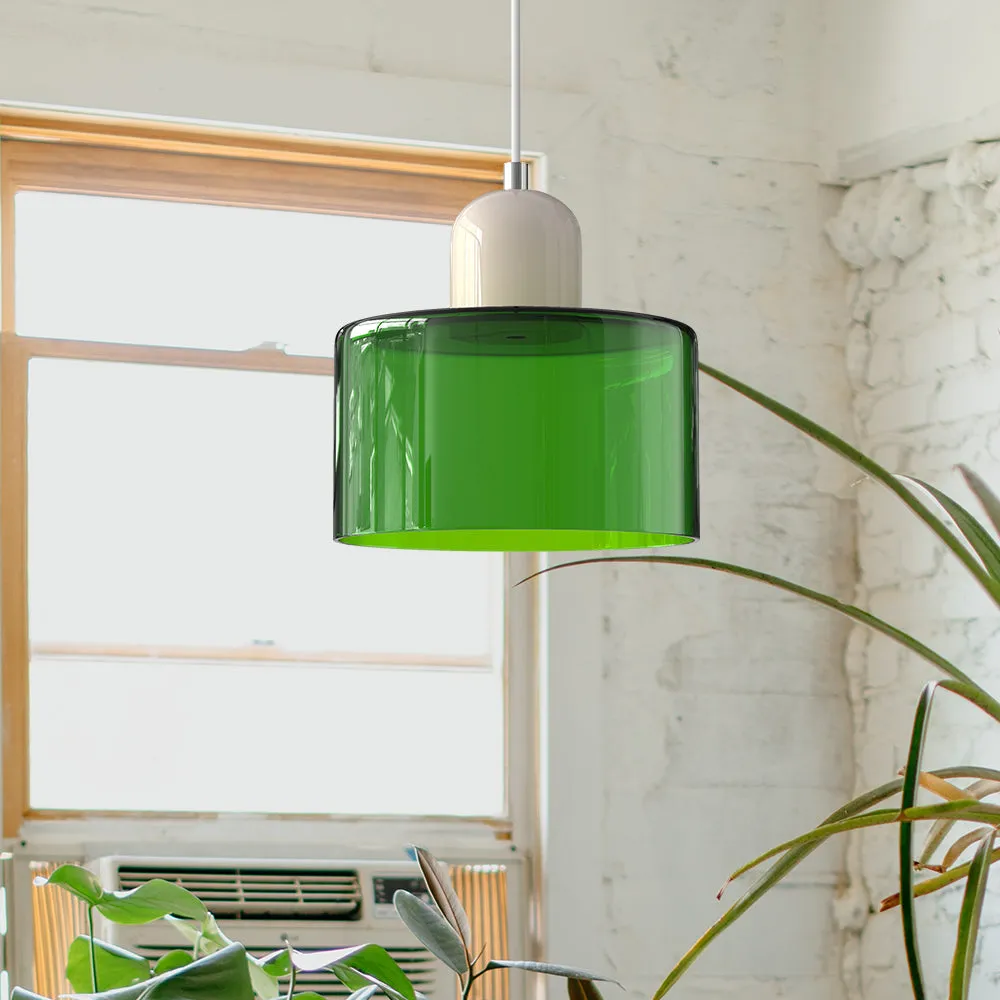
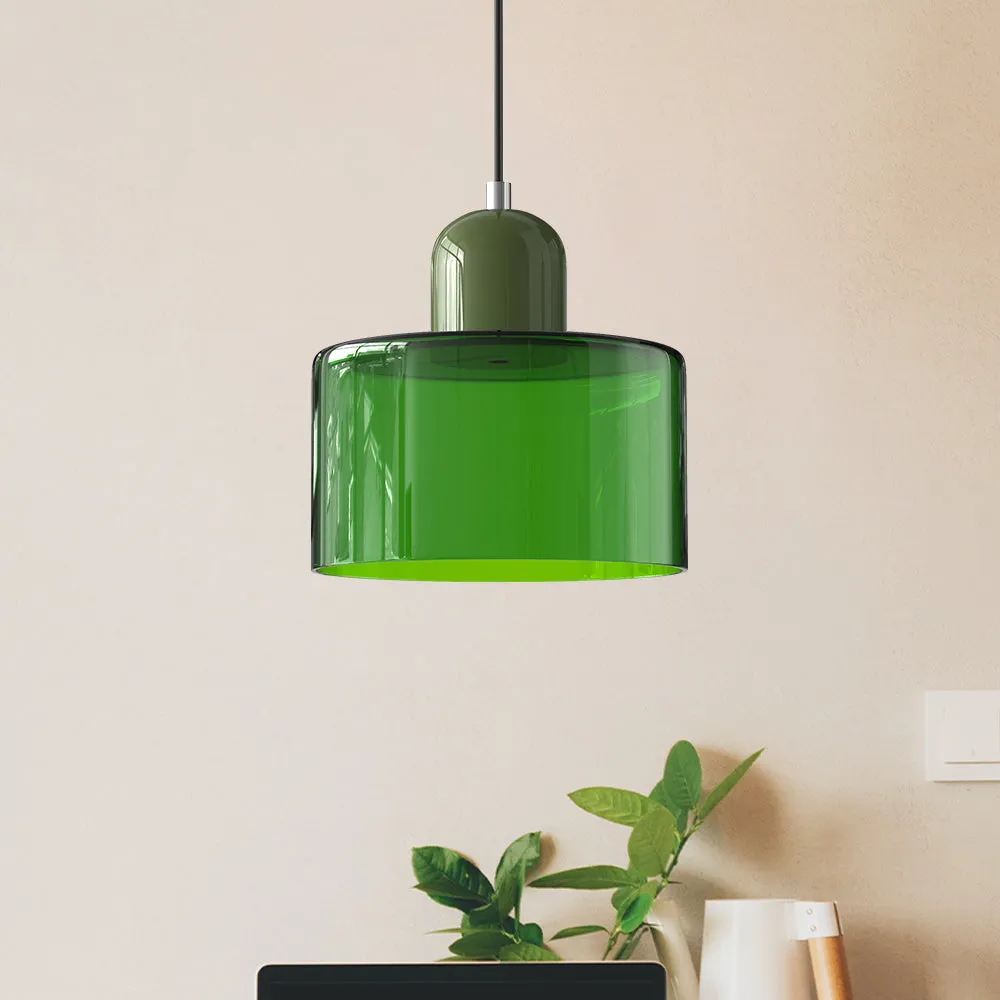
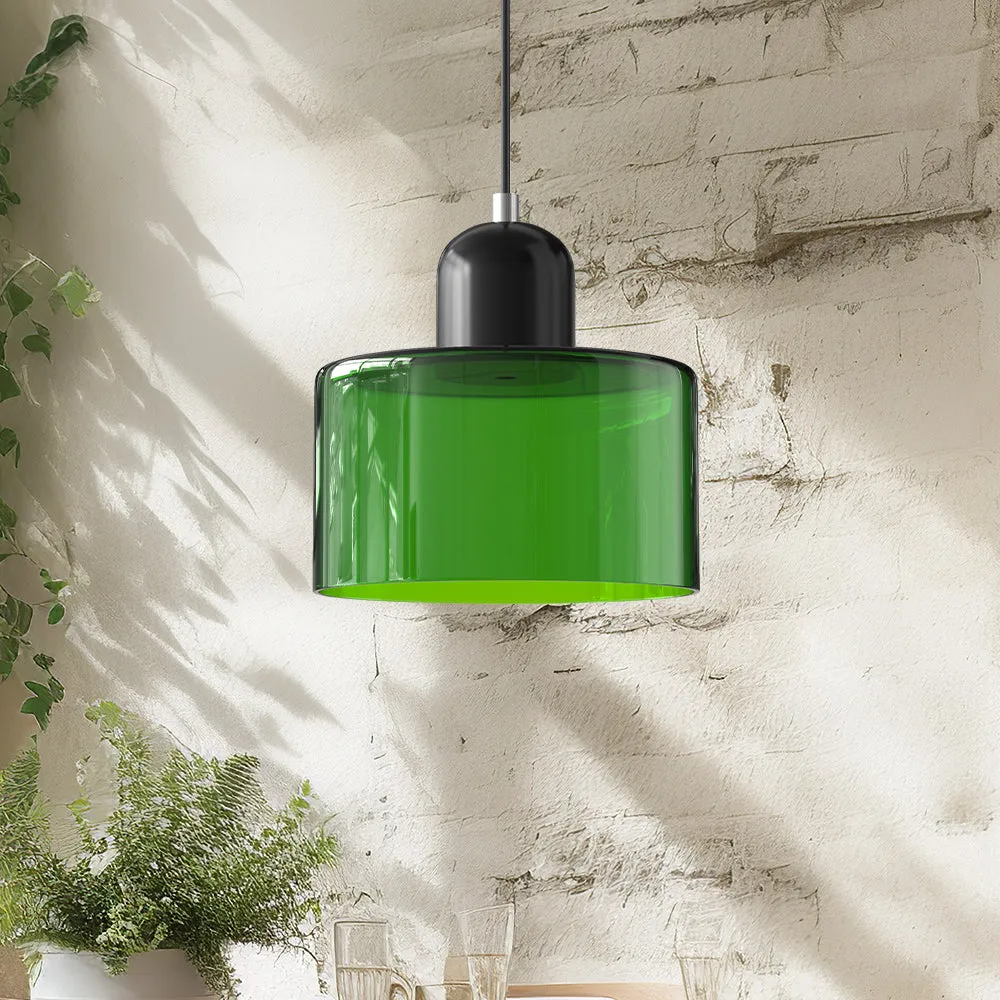
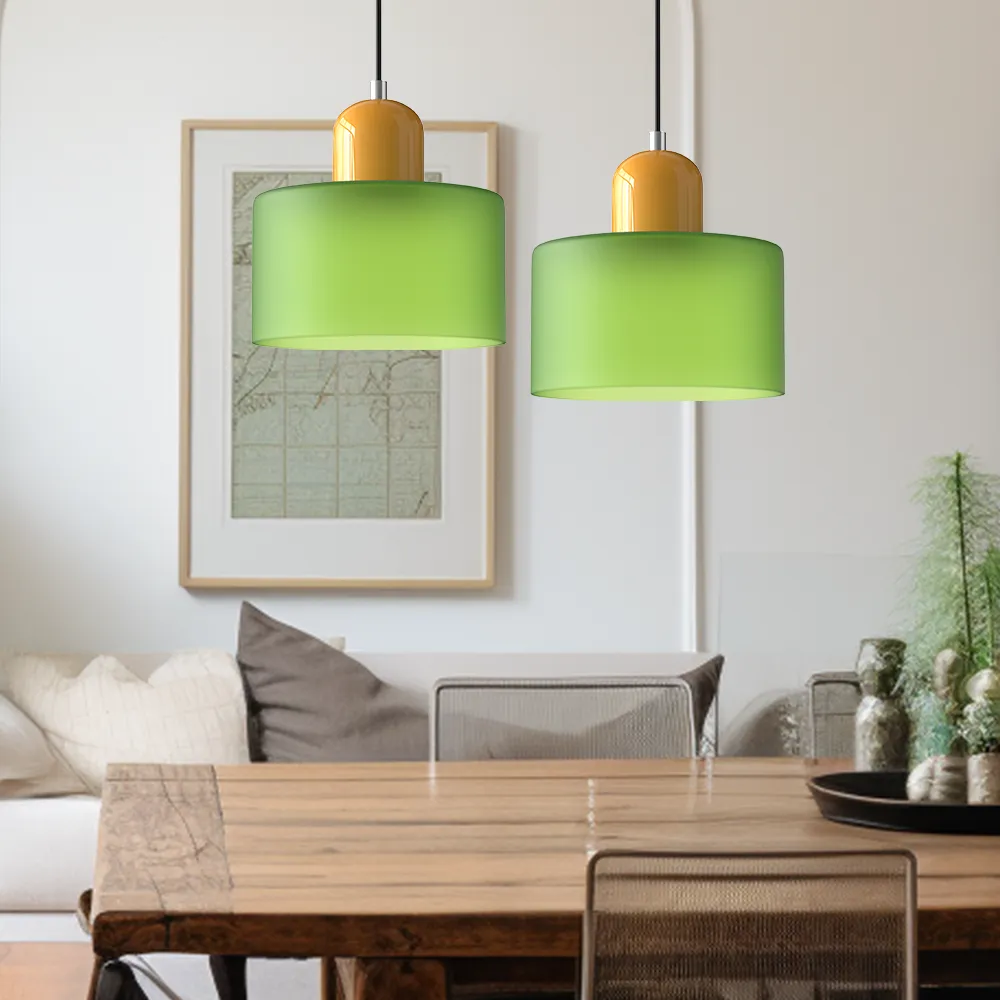
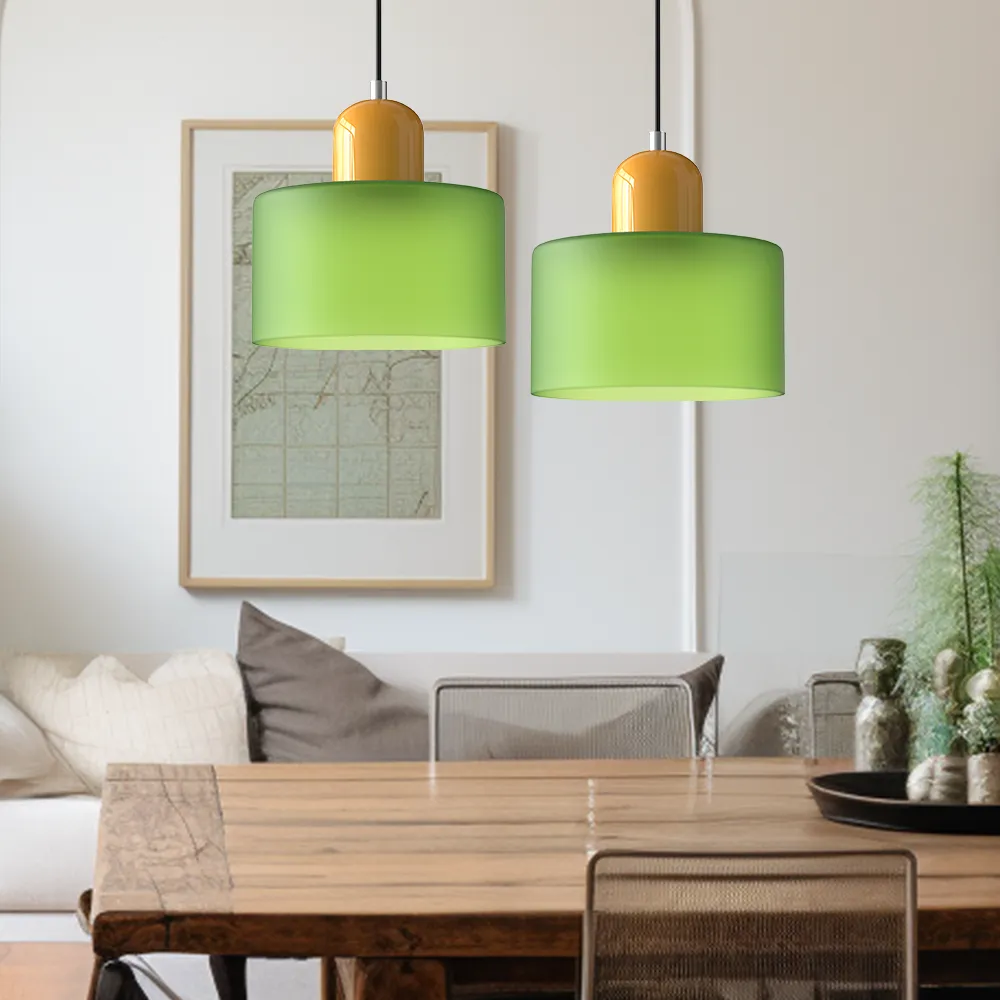
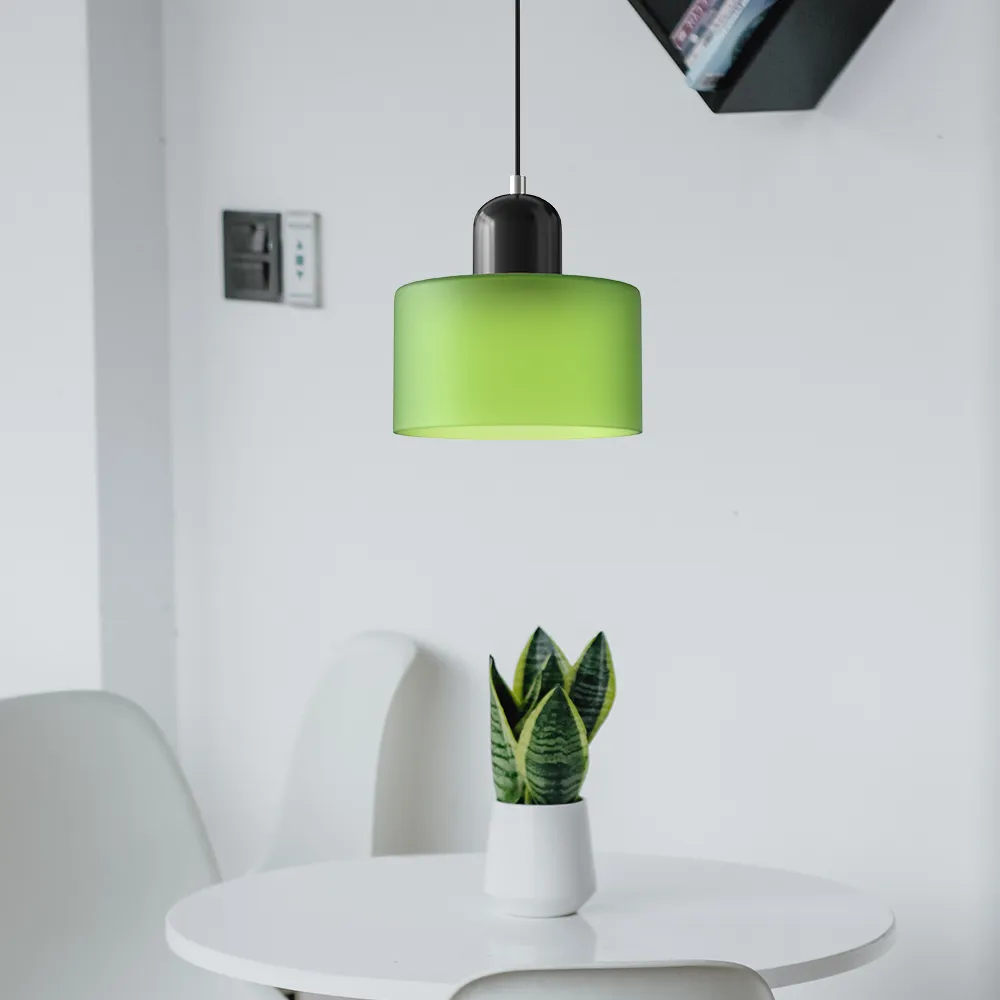
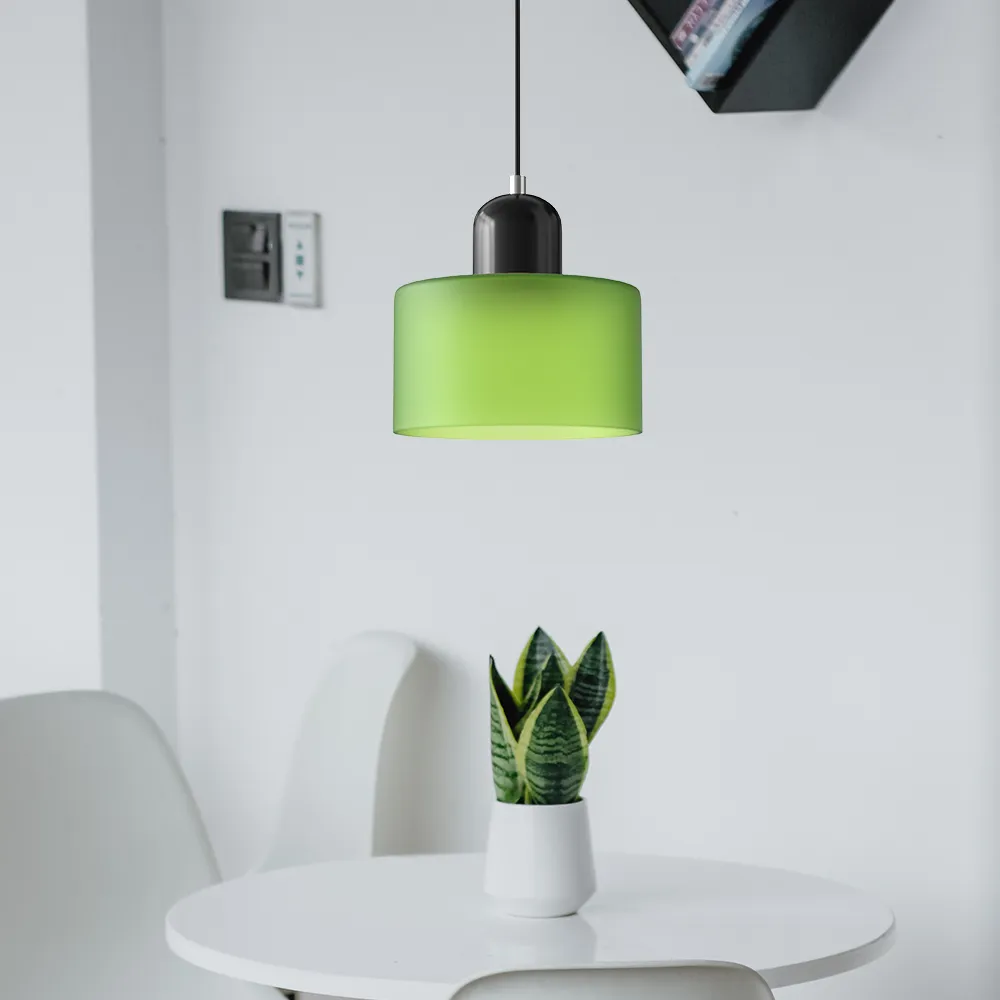
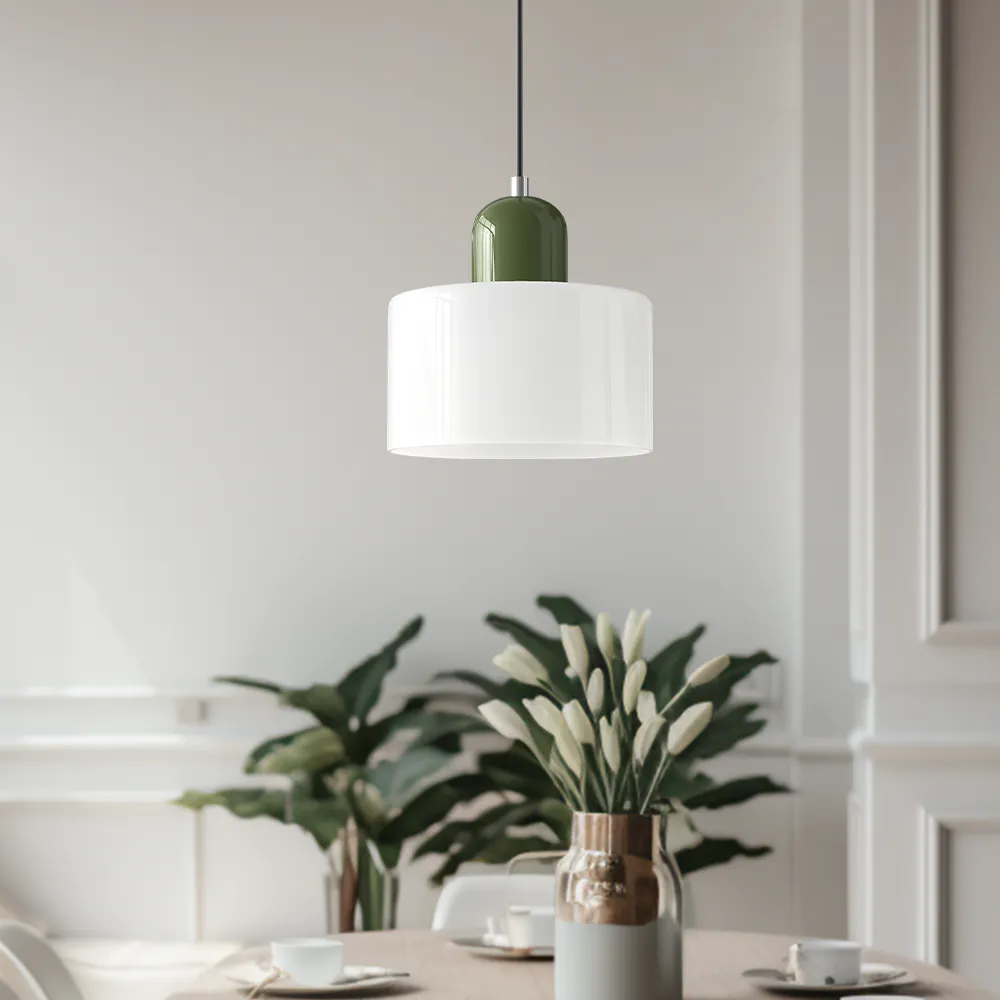
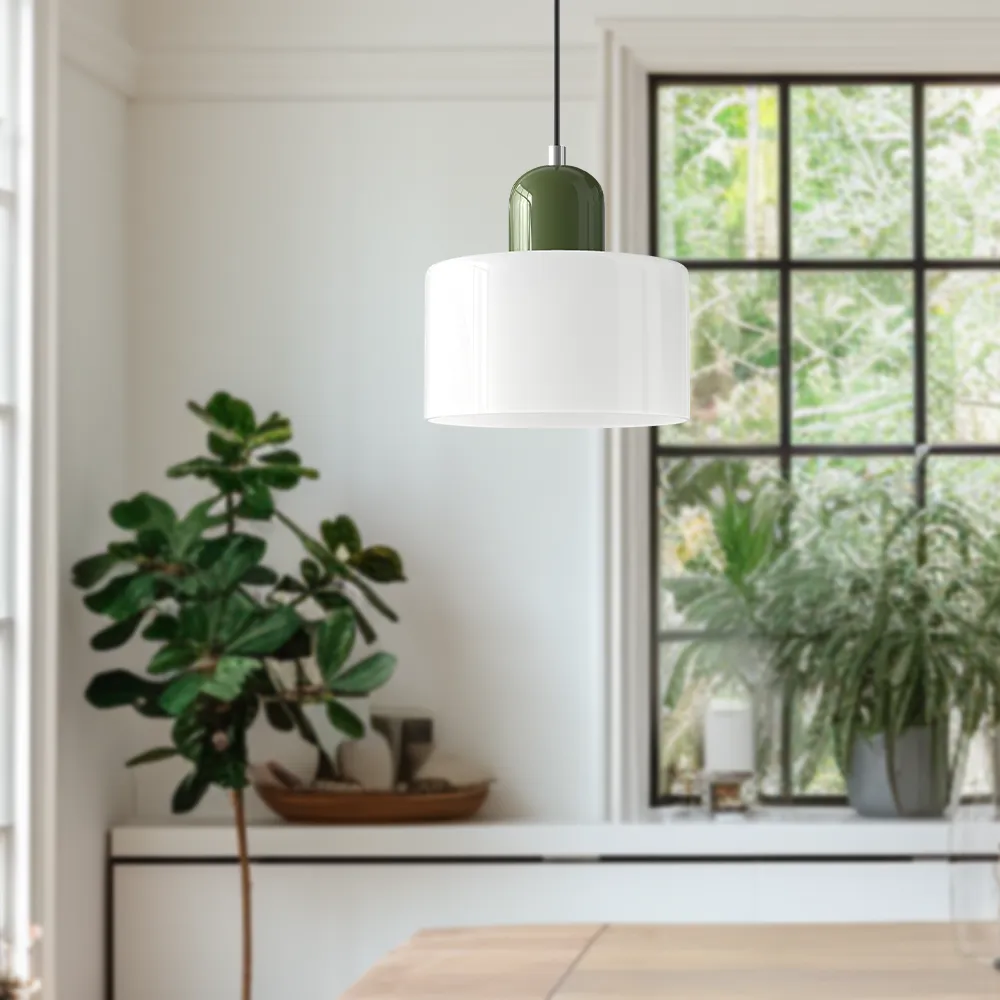
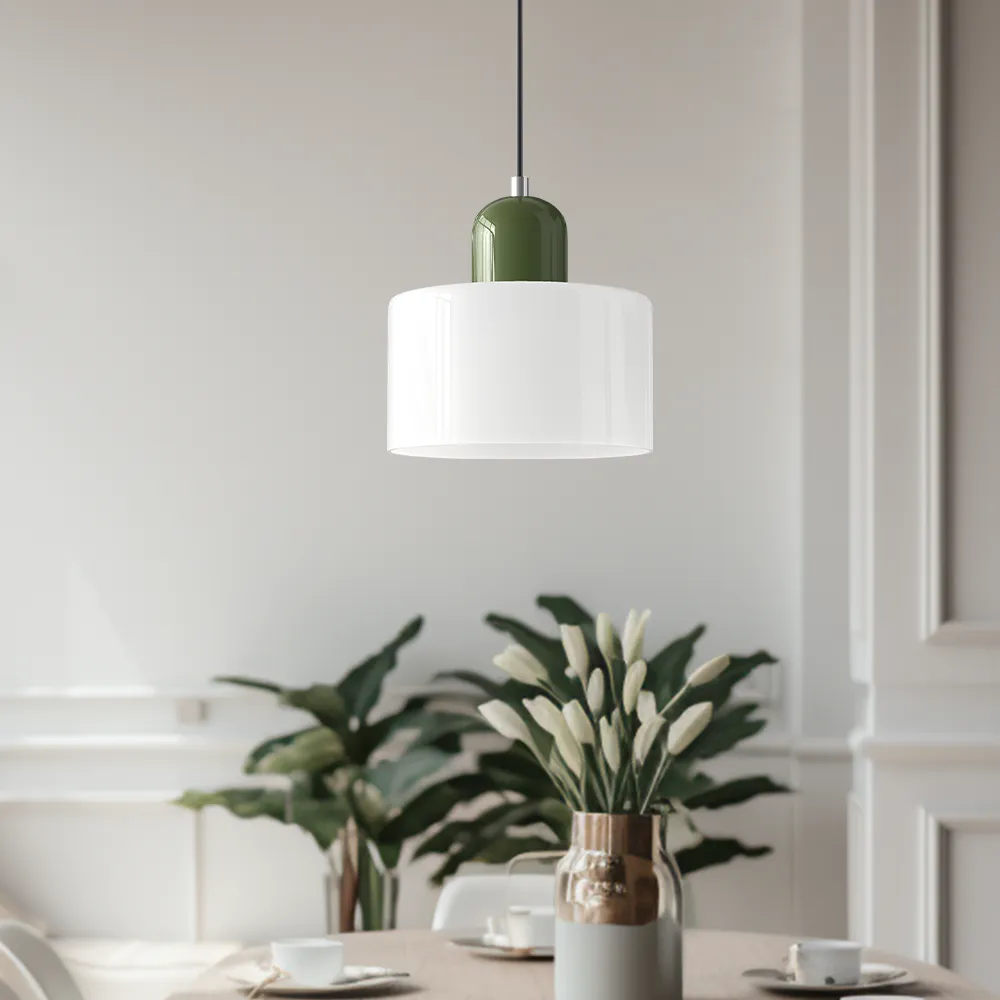
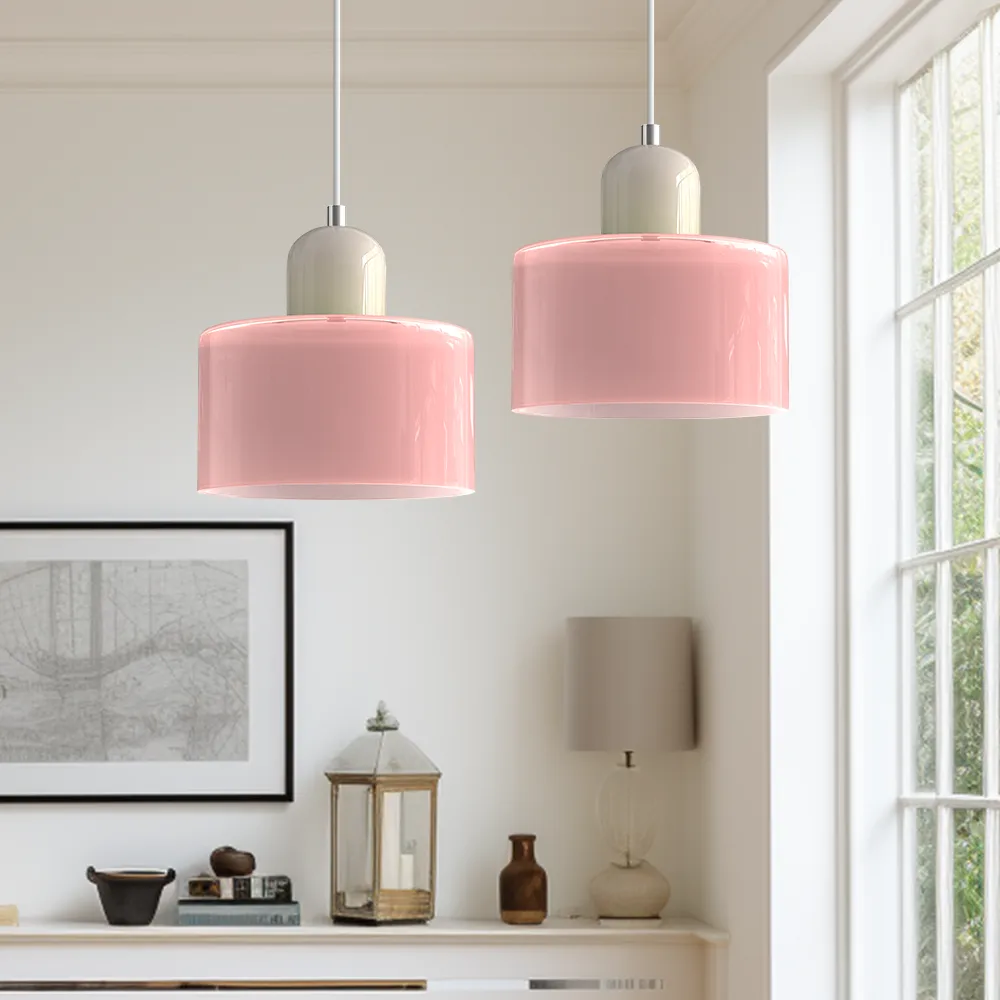
Este artículo utiliza la lámpara colgante cilíndrica de cristal Bauhaus Nordic Morandi como referencia. Su diámetro de pantalla es de aproximadamente 15 cm (5,9 pulgadas) y su altura es de aproximadamente 17 cm. El mismo método funciona para otras lámparas, pero debe sustituir los 15 cm por el diámetro real de la pantalla.
Comience con el espacio libre final
Antes de calcular la distancia entre las lámparas colgantes, reserve espacio en ambos extremos de la isla. Para una pantalla pequeña, un rango inicial razonable es de 30 a 45 cm (12 a 18 pulgadas) desde cada extremo de la isla hasta el centro de la lámpara colgante más cercana. Deje más espacio libre si un grifo, una placa de cocina o un electrodoméstico alto ocupa un extremo. Deje menos espacio libre solo si la isla es corta y la lámpara colgante exterior aún se encuentra dentro de la zona de trabajo. 
Regla de diseño: mantenga la misma distancia entre los extremos, a menos que la zona de trabajo de la isla esté desplazada deliberadamente. La simetría hace que las lámparas colgantes pequeñas parezcan intencionadas, incluso cuando las pantallas son coloridas o variadas.
La fórmula de centro a centro
Para dos lámparas colgantes, reste las distancias libres de los extremos izquierdo y derecho a la longitud de la isla:
center-to-center distance = island length - 2 x end clearance
Para tres colgantes, hay dos espacios iguales:
center-to-center distance = (island length - 2 x end clearance) / 2
Utilice las mismas unidades en todo momento. Los factores de conversión del NIST establecen que 1 pulgada equivale a 2,54 cm y 1 pie a 0,3048 m, por lo que una pantalla de 15 cm mide un poco menos de 6 pulgadas.
Convertir la distancia entre centros en la separación real del vidrio.
La distancia entre centros indica dónde colocar las gotas, pero no cuánto espacio vacío verá el ojo. Para estimar el espacio claro entre tonos, reste el diámetro de un tono:
edge-to-edge gap = center-to-center distance - shade diameter
Con una sombra Morandi de 15 cm y una distancia entre centros de 75 cm, el espacio libre es de aproximadamente 60 cm. Con una distancia entre centros de 60 cm, el espacio libre es de aproximadamente 45 cm. Esta resta es la forma rápida de detectar un diseño que parece demasiado ajustado en el papel.
Ejemplos de dos colgantes
| Longitud de la isla | Espacio libre final | Distancia al centro | Espacio libre aproximado |
|---|---|---|---|
| 6 pies / 72 pulgadas | 15 en cada extremo | 42 pulgadas | Aproximadamente 36 pulgadas después de restar una sombra de 6 pulgadas. |
| 7 pies / 84 pulgadas | 15 en cada extremo | 54 pulgadas | Aproximadamente 48 pulgadas después de restar una sombra de 6 pulgadas. |
| 8 pies / 96 pulgadas | 18 en cada extremo | 60 pulgadas | Aproximadamente 54 pulgadas después de restar una sombra de 6 pulgadas. |

Estos espacios más amplios pueden dar una apariencia de calma, pero también explican por qué dos lámparas colgantes pequeñas pueden parecer perdidas en una isla de 2,4 metros. Si la isla es ancha y el techo está visualmente vacío, tres lámparas colgantes suelen crear una línea más armoniosa.
Ejemplos de tres colgantes
| Longitud de la isla | Espacio libre final | Distancia al centro | Espacio libre aproximado |
|---|---|---|---|
| 6 pies / 72 pulgadas | 12 en cada extremo | 24 pulgadas | Aproximadamente 18 pulgadas después de restar una sombra de 6 pulgadas. |
| 7 pies / 84 pulgadas | 15 en cada extremo | 27 pulgadas | Aproximadamente 21 pulgadas después de restar una sombra de 6 pulgadas. |
| 8 pies / 96 pulgadas | 15 en cada extremo | 33 en | Aproximadamente 27 pulgadas después de restar una sombra de 6 pulgadas. |

En una isla de 1,8 metros, la distancia entre centros de 61 cm crea un trío más compacto. Puede funcionar bien cuando la isla es ancha y el techo circundante es silencioso, pero dos tonos pueden verse más relajados en una encimera estrecha. En una isla de 2,4 metros, 84 cm entre centros permiten que las pequeñas pantallas tengan espacio para respirar, manteniendo la apariencia de un solo grupo.
Para comprobar estas cifras con una luminaria real, utilice el diámetro de 15 cm y la altura de 17 cm que indica el fabricante Morandi en la ficha técnica oficial del producto y marque círculos de tamaño real en un cartón.
Comprueba el grupo desde cada asiento.
La distribución es correcta cuando el conjunto se percibe equilibrado desde los puntos de vista habituales de la habitación. Siéntese en cada taburete y mire hacia el lado opuesto de la isla. Las pantallas exteriores no deben quedar sobre la cabeza de nadie, y la pantalla central no debe convertirse en una obstrucción luminosa. Compruebe también la vista desde el salón, donde un conjunto ligeramente descentrado puede resultar más evidente que desde la cocina.
Enciende las luces después del atardecer. El color de la pantalla y la forma de la bombilla influyen en la luminosidad percibida, por lo que una separación matemáticamente correcta puede resultar molesta si la bombilla queda al descubierto. La lámpara Morandi utiliza una bombilla E27, está homologada para uso en interiores y tiene una potencia máxima de 40 W; elige la bombilla por separado y mantén una luminosidad agradable para conversar sentado. 
No dejes que el techo determine el espacio.
Localice las cajas de conexiones y confirme el plano del dosel antes de definir los centros. Un techo inclinado, una viga, una rejilla de ventilación o una caja eléctrica existente pueden requerir el desplazamiento de todo el conjunto. Tome como referencia la disposición de la encimera y, a continuación, coordine los herrajes del techo en función de ella.
Para trabajos de cableado fijo, siga las recomendaciones de seguridad eléctrica doméstica de la Fundación Internacional para la Seguridad Eléctrica (Electrical Safety Foundation International) y contrate a un electricista cualificado cuando sea necesario. Los disparos repetidos del disyuntor, los interruptores que zumban o las luces que se atenúan son motivos para interrumpir la instalación e inspeccionar el circuito. 
Una vez que los círculos de papel y la prueba de la línea de visión coincidan, confirme la combinación de colores elegida y las especificaciones del pedido para el colgante cilíndrico Morandi .
Preguntas frecuentes
¿Cuál es la distancia óptima entre lámparas colgantes de isla pequeñas?
Para una sombra de 6 pulgadas, comience con una distancia de centro a centro de entre 24 y 36 pulgadas y ajústela a la longitud de la isla.
¿La distancia de centro a centro es lo mismo que la distancia de borde a borde?
No. Reste el diámetro de un tono a la distancia central para estimar el espacio libre de borde a borde.
¿Cuánto espacio debe dejarse en cada extremo de la isla?
Comience con una distancia de 12 a 18 pulgadas desde el extremo de la isla hasta el centro del colgante más cercano.
¿Cabe tres lámparas colgantes en una isla de 6 pies?
Sí, si la isla es lo suficientemente ancha y un ritmo visual más cercano se adapta a la habitación; dos personas pueden parecer más tranquilas en una isla estrecha.
¿Qué diámetro debo usar para el cálculo de Morandi?
Utilice su diámetro indicado de 15 cm, aproximadamente 5,9 pulgadas.