Soffitto basso? Usa questo metodo in 3 controlli prima di scegliere una plafoniera nordica
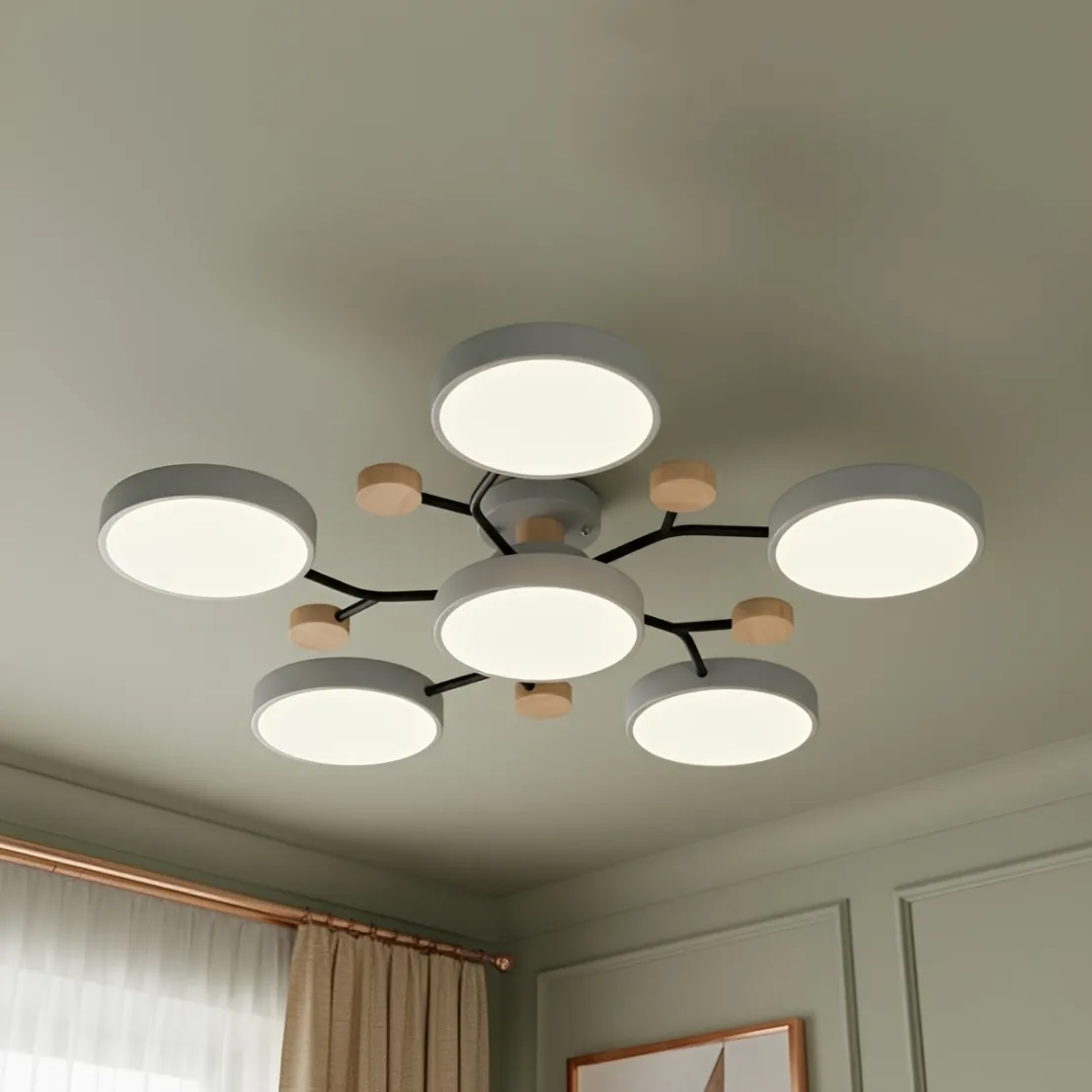
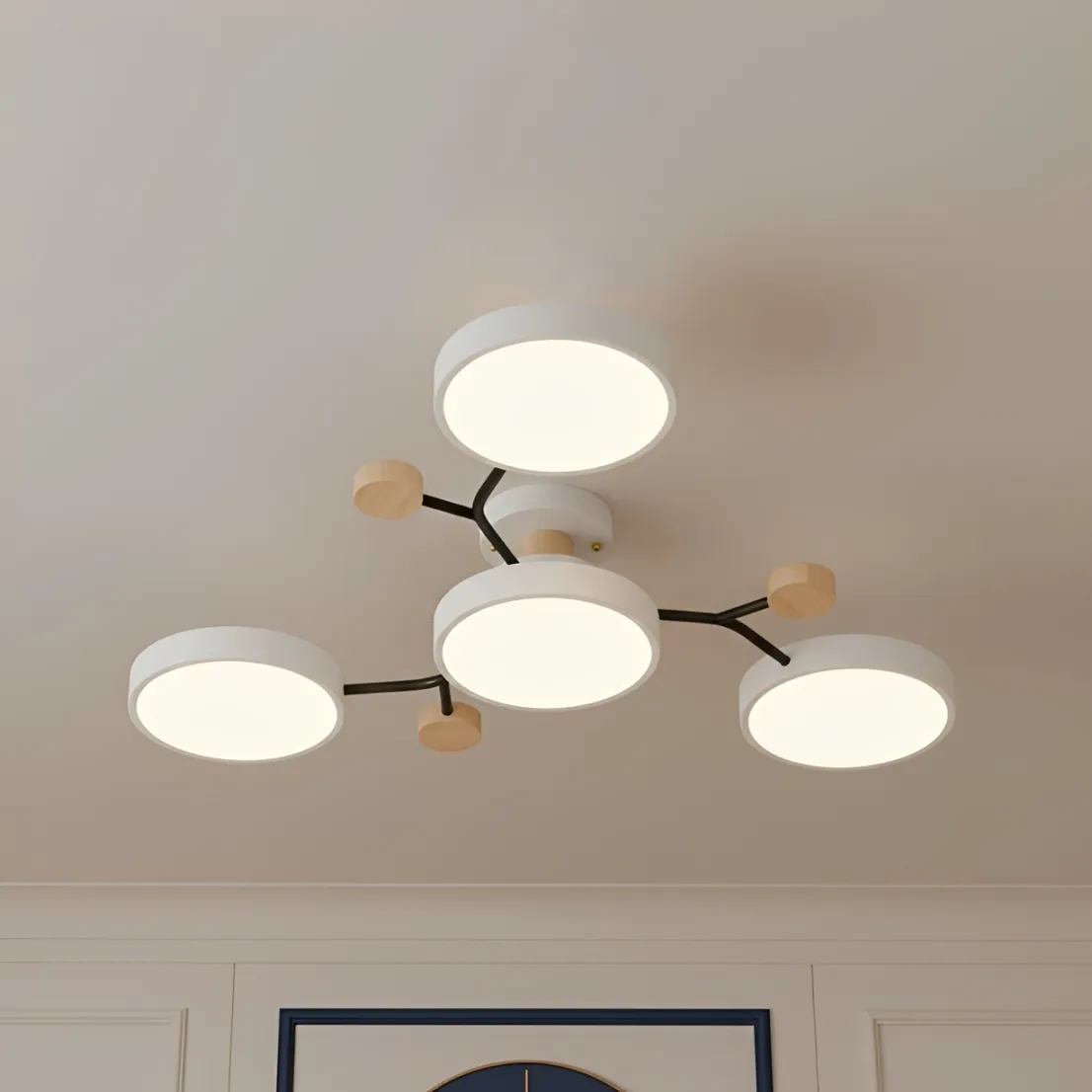
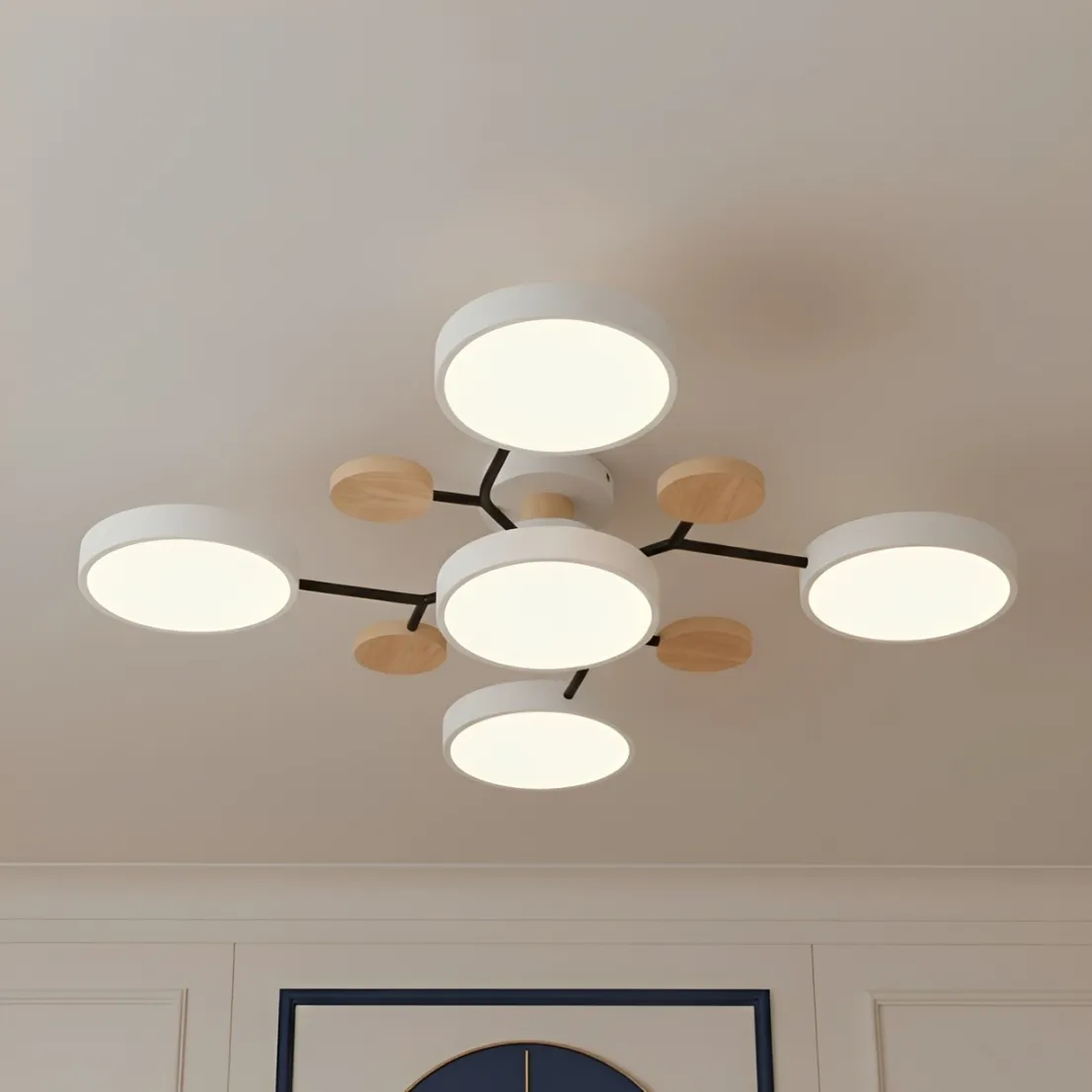
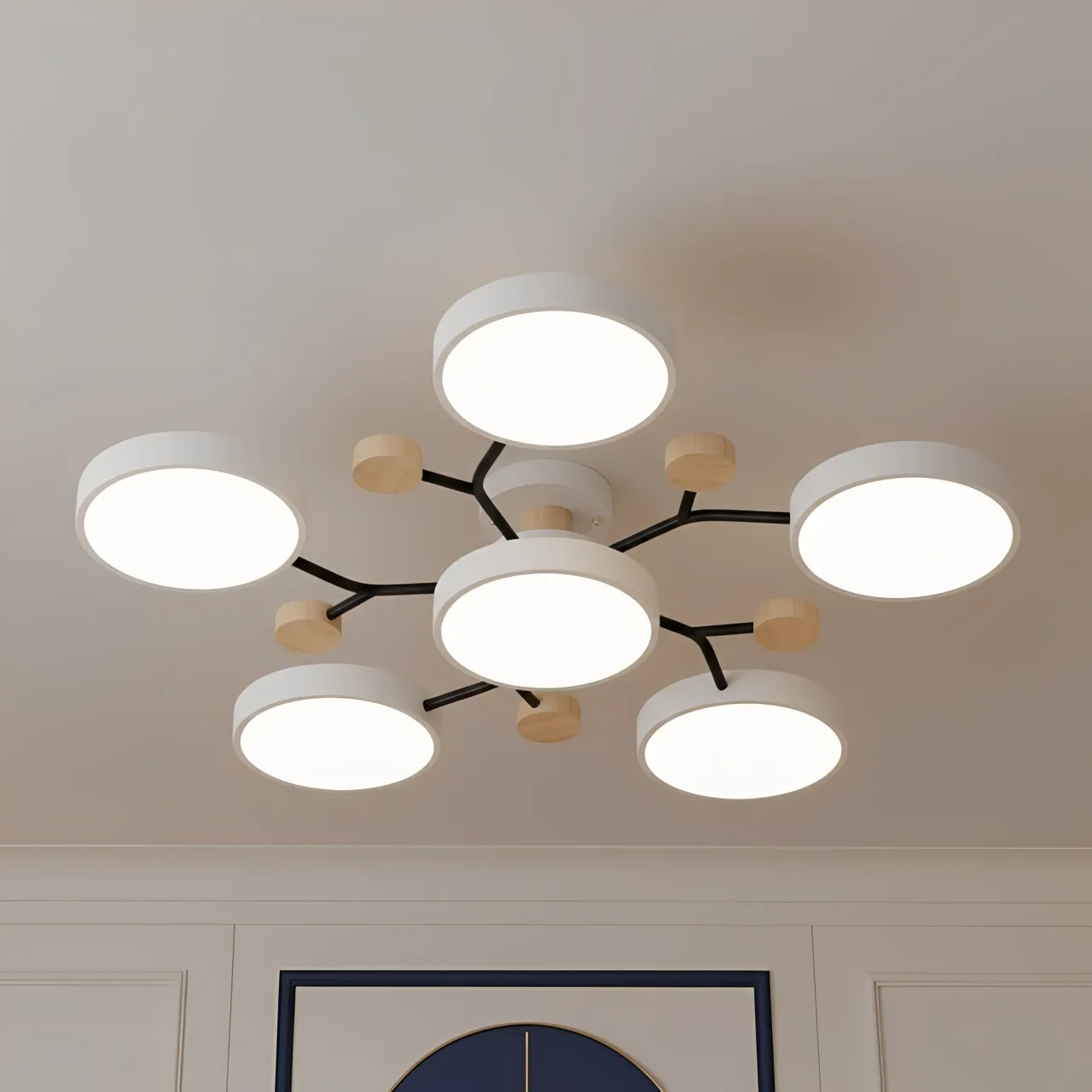
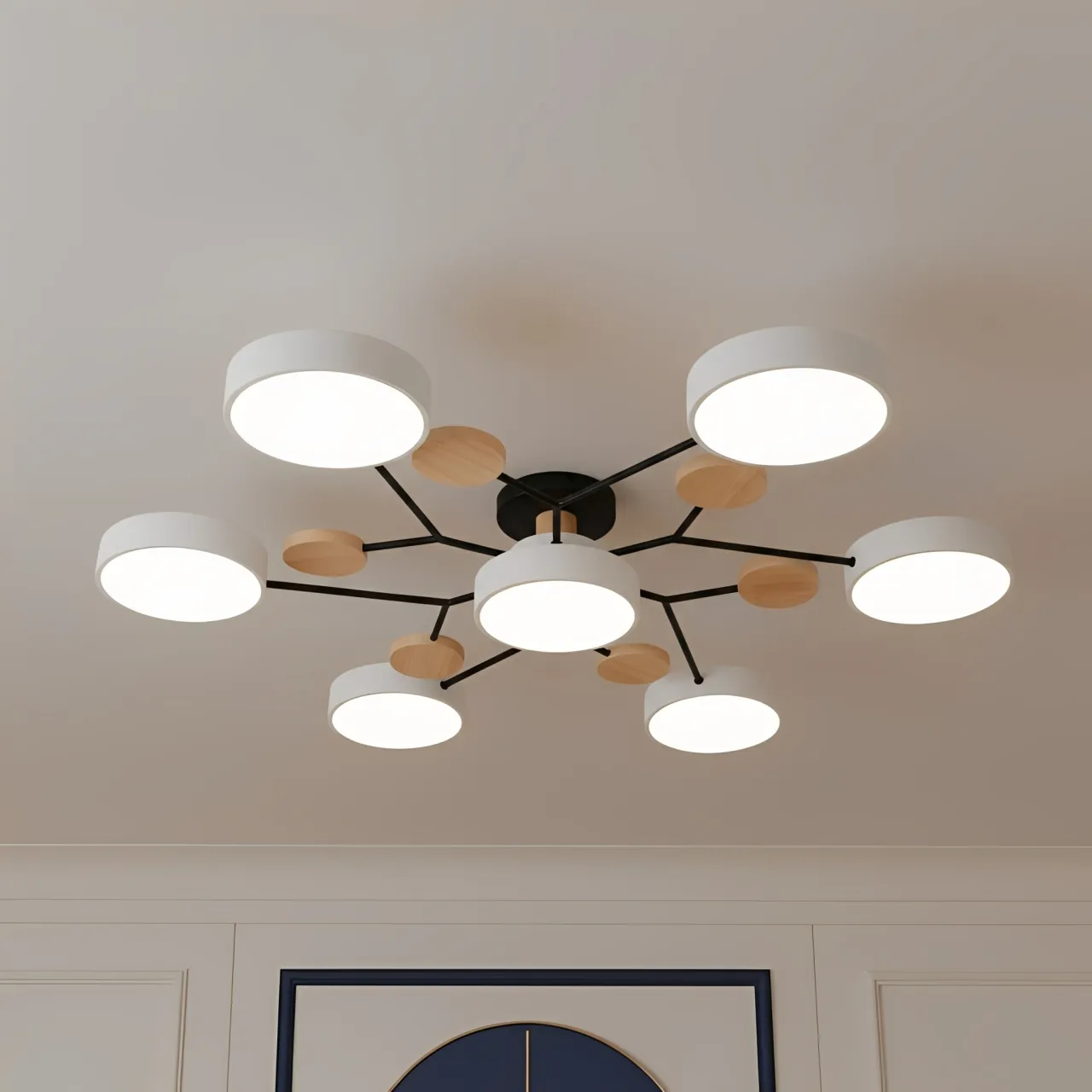
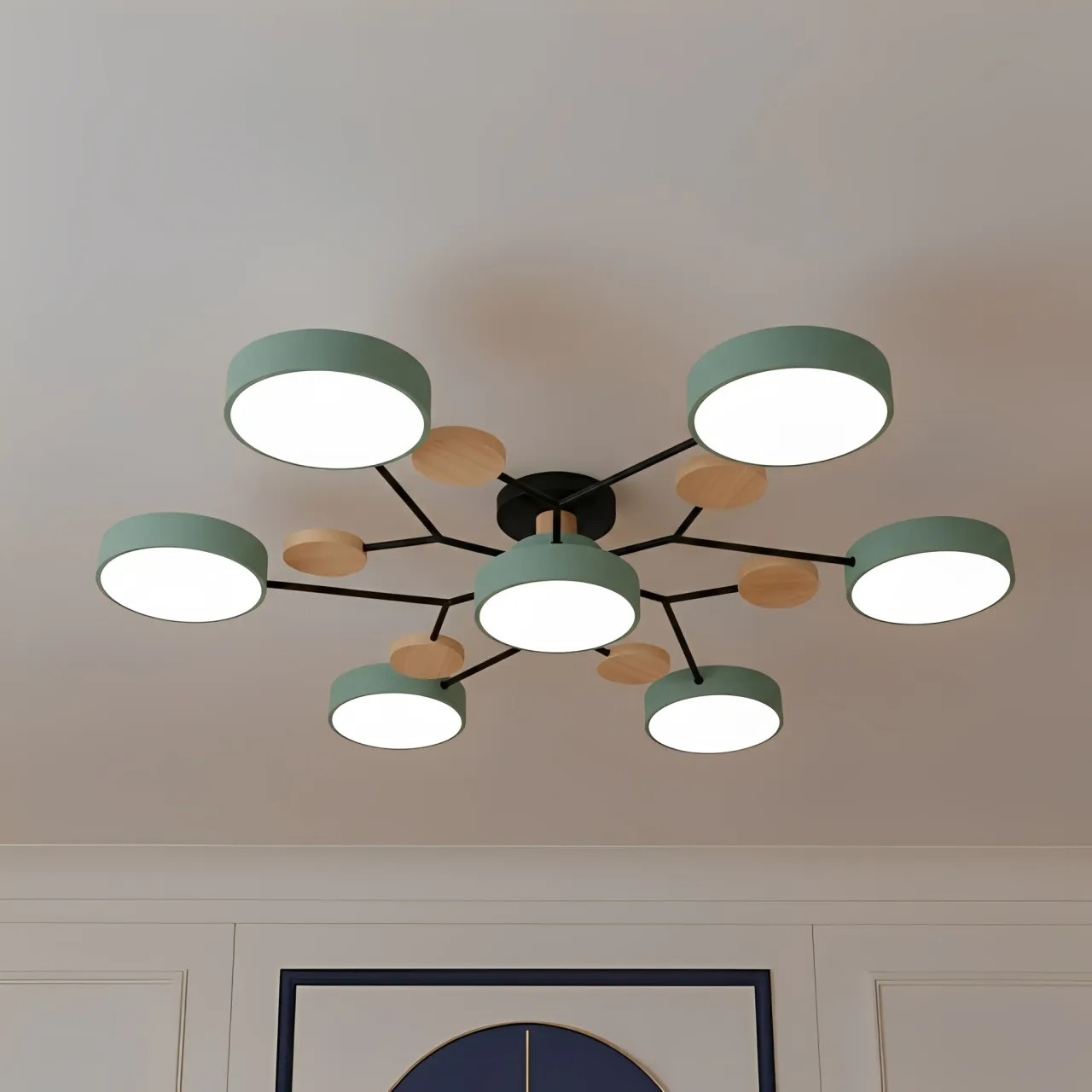
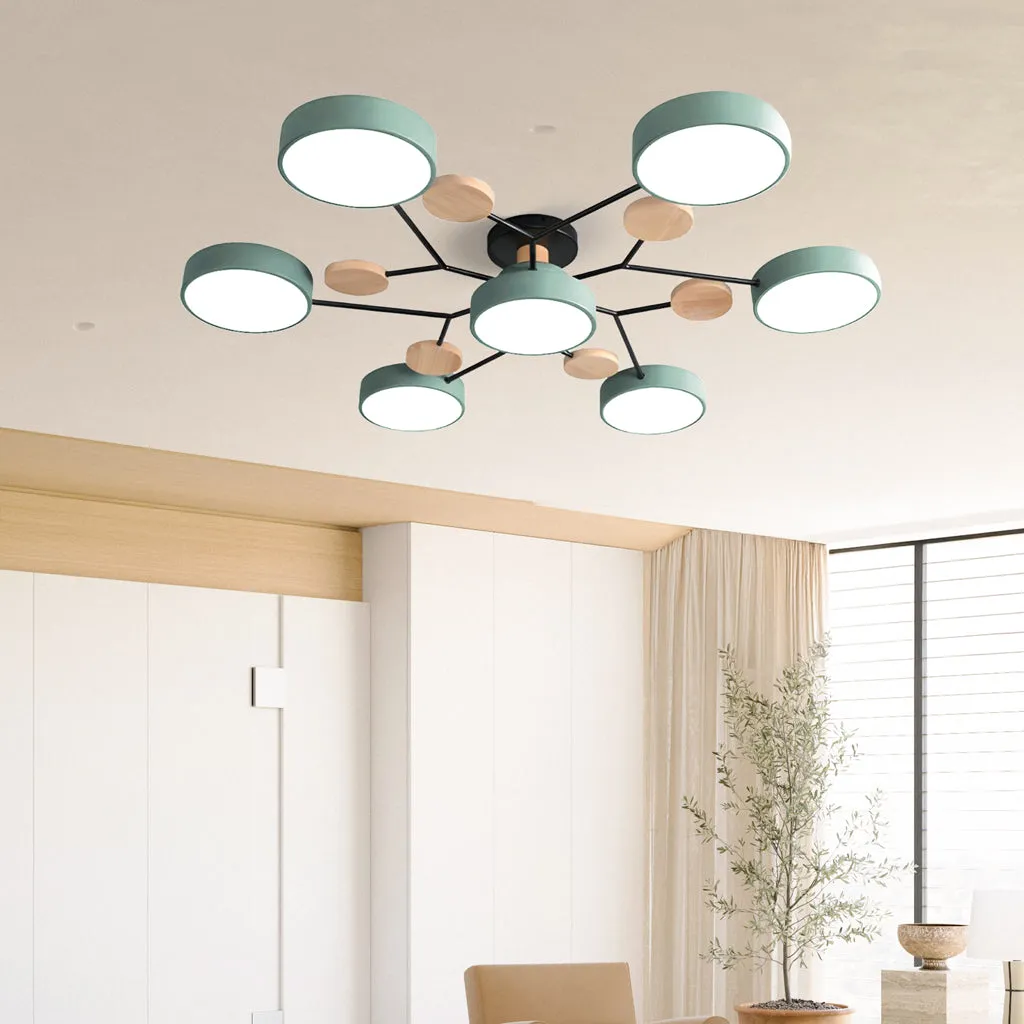
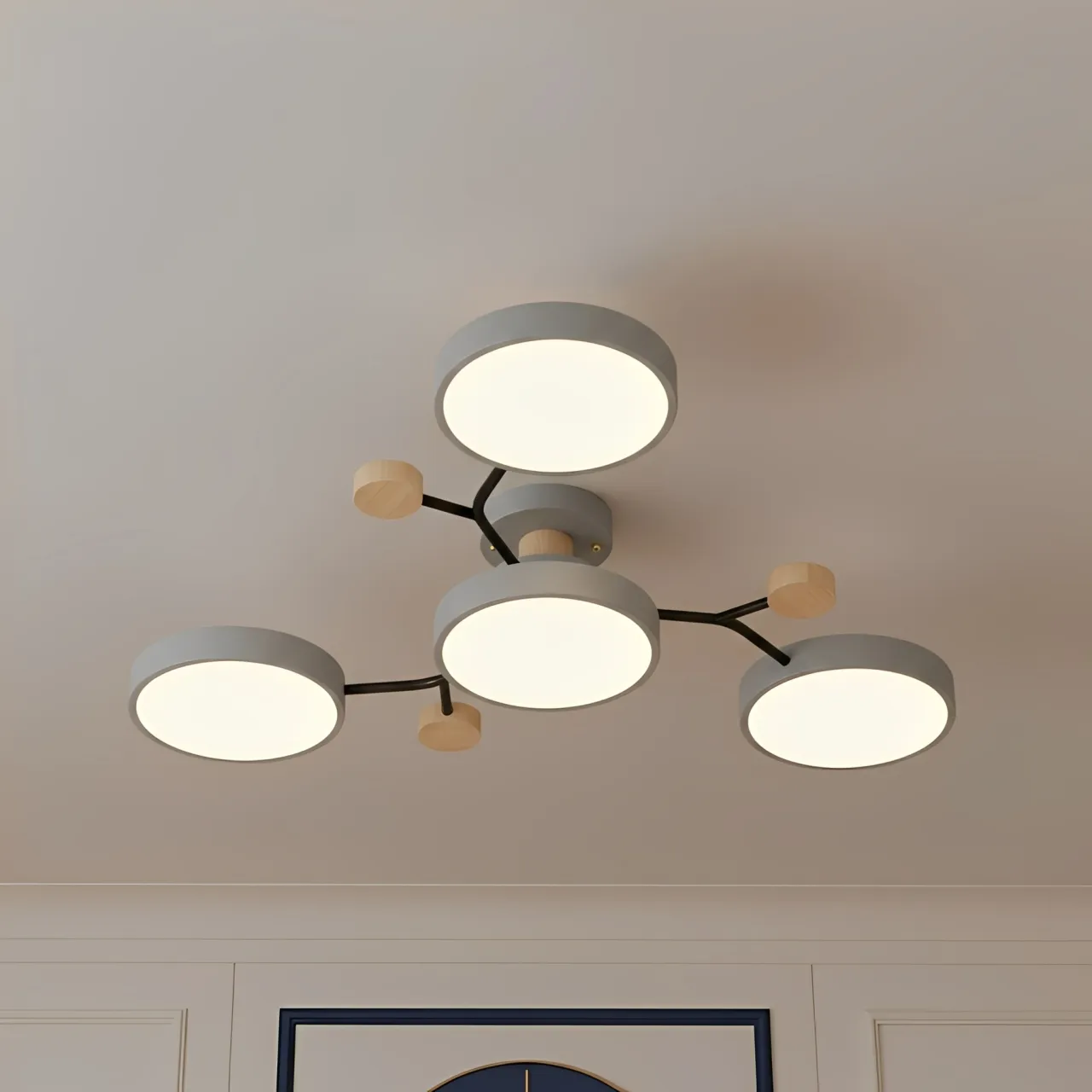
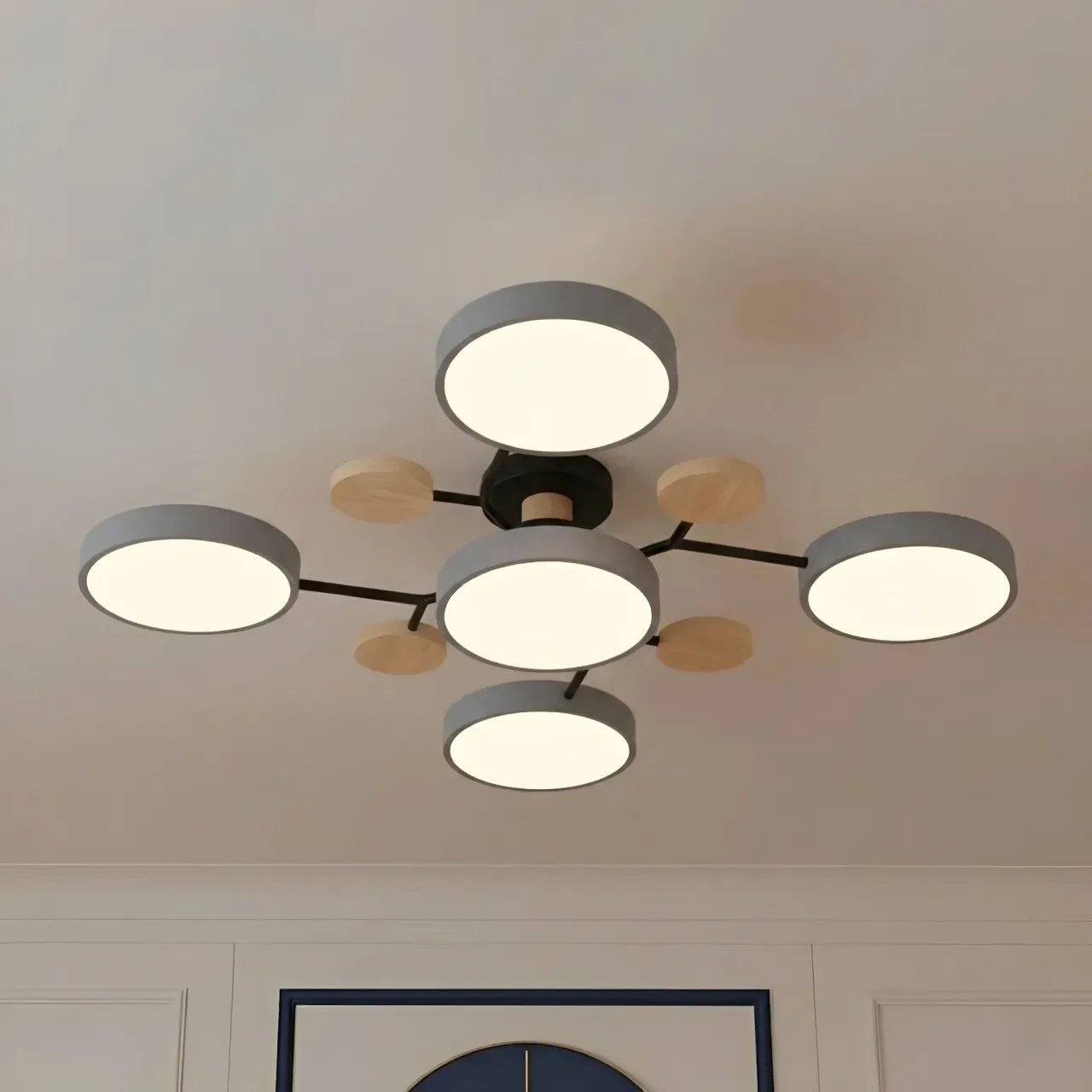
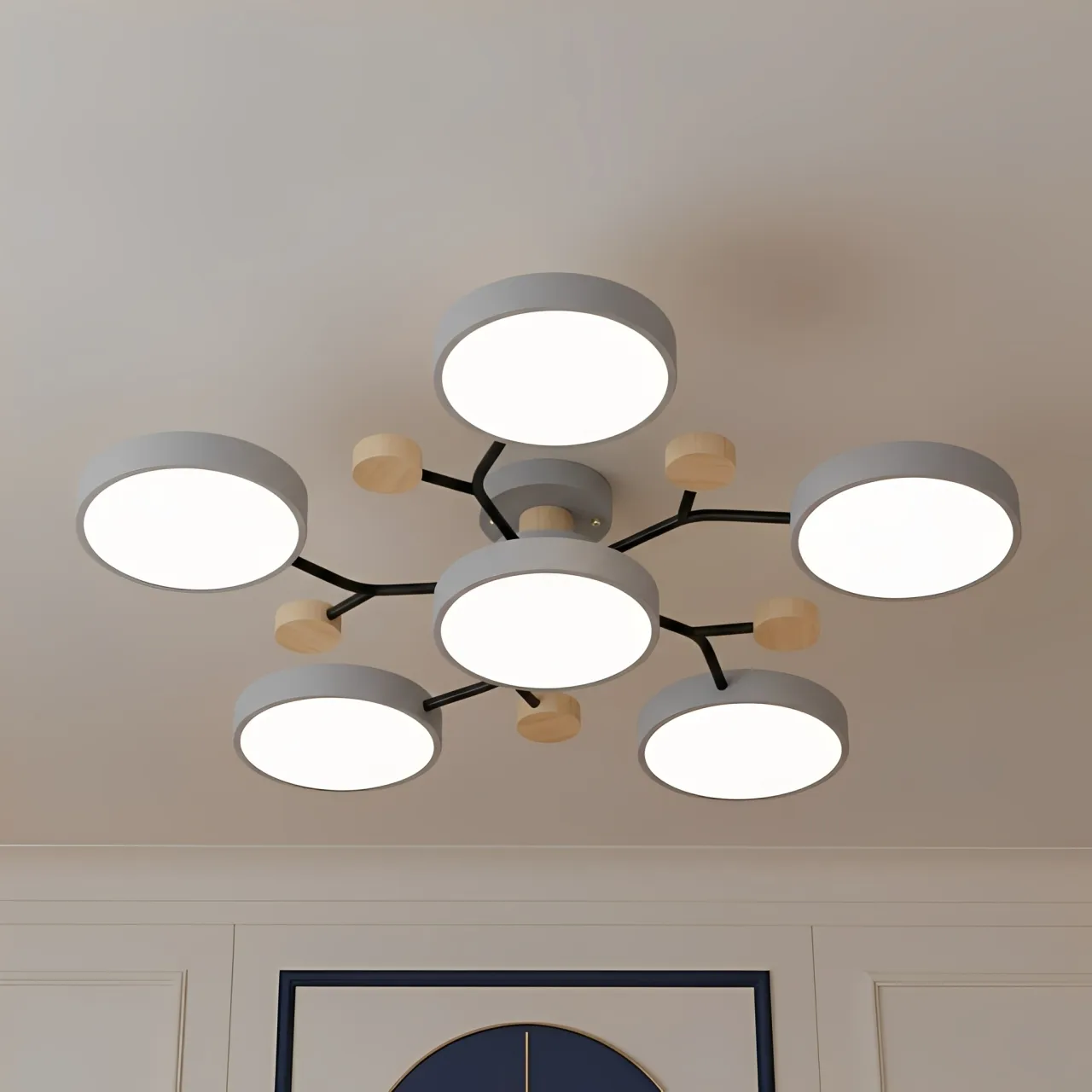
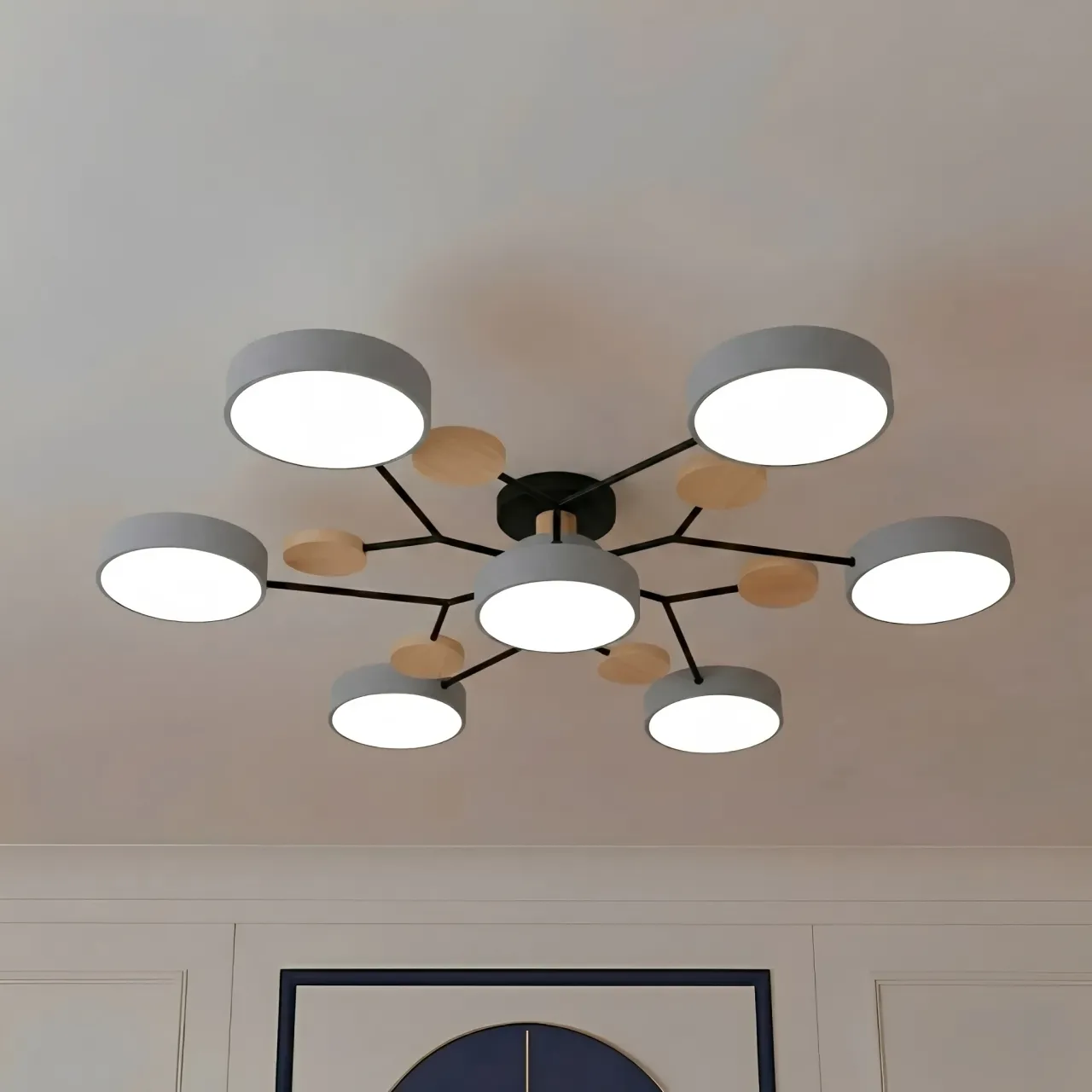
Una plafoniera a basso profilo è di solito un punto di partenza più intelligente di una sospensione quando ogni centimetro di altezza libera è importante. La plafoniera nordica Orea è indicata con un'altezza di 15 cm, quindi mantiene la forma illuminata vicina al soffitto offrendo al tempo stesso un riconoscibile design in legno con rami. È un'opzione valida per molti soggiorni, camere da letto e zone pranzo con soffitti bassi, ma il profilo ridotto da solo non garantisce un abbinamento corretto.
La decisione giusta richiede tre controlli: calcolare l'altezza reale della parte inferiore dopo l'installazione, confrontare il diametro di 75 cm o 95 cm con i mobili sottostanti e osservare i dischi illuminati da normali posizioni in piedi e sedute. Se tutti e tre hanno esito positivo, l'apparecchio può liberare visivamente lo spazio senza far sembrare vuoto il soffitto. Se uno fallisce, una lampada più piccola o con schermatura diversa potrebbe funzionare meglio.
La risposta breve: prima il profilo, poi lo stile
Sì, una plafoniera nordica minimalista può essere un'ottima soluzione per un soffitto basso quando combina un ribassamento limitato con un ingombro adeguato. Per Orea, l'altezza indicata è di 15 cm per entrambi i gruppi di dimensioni. Misura prima dell'acquisto, perché ferramenta del soffitto, irregolarità della superficie e posizione finale di montaggio determinano il livello effettivo della parte inferiore nella tua stanza.
Controllo 1: calcola lo spazio libero reale
Inizia misurando l'altezza finita dal pavimento al soffitto nel punto previsto per il montaggio. Non affidarti solo alla scheda dell'immobile: intonaco inclinato, travi, controsoffitti e vecchi soffitti irregolari possono cambiare il valore nel punto in cui la lampada sarà realmente installata. Poi verifica il ribassamento completo una volta montata, includendo eventuale rosone o elemento di fissaggio che sporga sotto la superficie del soffitto.
Per una verifica semplice, sottrai i 15 cm del profilo indicato per Orea, poi segna il risultato su una parete o su una porta con nastro rimovibile. Attraversa la stanza e guarda quella linea da diversi ingressi. In questo modo una dimensione astratta del prodotto diventa un'altezza visibile che puoi valutare. Tieni il punto di montaggio lontano da porte, frontali di mobili alti e qualsiasi oggetto che si apra verso l'alto.
Lo spazio libero è più impegnativo sopra i percorsi di passaggio. Un apparecchio centrato su un tavolino, un tavolo da pranzo o un letto viene raggiunto meno spesso direttamente da sotto, ma intorno a quei mobili deve comunque essere possibile muoversi comodamente. Considera il calcolo come primo filtro, non come un permesso per ignorare la disposizione.
Controllo 2: abbina l'ingombro del soffitto alla zona dei mobili
Un apparecchio poco profondo può comunque sembrare sovradimensionato. Le configurazioni più piccole di Orea sono indicate con un diametro di 75 cm, mentre quelle più grandi arrivano a 95 cm. L'ampiezza maggiore non riduce lo spazio per la testa perché entrambe sono alte 15 cm, ma occupa molto più soffitto visibile e può dominare una stanza stretta.
Traccia il diametro prima di scegliere. Disegna entrambe le larghezze indicate sul pavimento con nastro rimovibile, direttamente sotto il punto di montaggio. Mettiti sulla porta, accanto alla seduta principale e nell'angolo più lontano della stanza. Il contorno scelto dovrebbe rapportarsi al gruppo di mobili, non alla forma dell'intera stanza. Una composizione compatta di divano e tavolino spesso richiede meno larghezza a soffitto di una zona giorno open space.
Consulta 4 o 7 teste: confronto della diffusione luminosa in una plafoniera multi-luce quando la decisione successiva riguarda il numero di teste e la possibilità di distribuire la luce. Qui la regola per i soffitti bassi è più precisa: scegli l'ingombro più piccolo che incornicia comodamente la zona attiva, invece di acquistare il modello più ampio solo perché ha la stessa altezza ridotta.
Controllo 3: prova la visuale all'altezza degli occhi
I soffitti bassi portano le superfici luminose più vicino alle normali linee di vista. Siediti sulla poltrona principale, fermati vicino all'ingresso e sdraiati nel punto in cui le persone si riposano davvero. Se i dischi luminosi diventano la prima cosa che noti, il controllo della luminosità è importante quanto lo spazio fisico.
La Illuminating Engineering Society definisce l'abbagliamento in relazione a una luminanza elevata rispetto al livello a cui gli occhi si sono adattati. La lezione pratica è semplice: una lampada può entrare fisicamente nello spazio e risultare comunque scomoda quando la superficie luminosa è esposta da un punto di vista abituale.
In piedi
Controlla la porta e il percorso principale. L'apparecchio non dovrebbe sembrare un ostacolo né attirare l'attenzione lontano dalla stanza.
Seduto
Guarda in alto in modo naturale dal divano, dalla sedia da pranzo e dalla scrivania. Nota se il diffusore resta direttamente visibile per lunghi periodi.
Riflessi
Controlla televisori, tavoli lucidi, vetri incorniciati e specchi per individuare immagini luminose riflesse dalla luce a soffitto.
Dove funziona meglio questo design a basso profilo
Il design Orea è più convincente quando un gruppo centrale di mobili necessita di luce generale e il soffitto non può permettersi il ribassamento di una sospensione. In soggiorno, posiziona l'ingombro sopra la composizione principale delle sedute. In camera da letto, allinealo alla zona libera o a quella del letto lasciando libere le ante dell'armadio. In sala da pranzo, centralo sul tavolo e non sulla stanza se i due centri non coincidono.
Gli inserti in legno e i rami arrotondati impediscono inoltre che un soffitto basso sembri puramente funzionale. Per il sistema stilistico più ampio, Minimalismo caldo in casa: valorizzare lo spazio con plafoniere nordiche minimaliste in legno spiega come materiali naturali e arredi essenziali lavorino insieme. La decisione attuale resta funzionale: assicurati prima dello spazio libero, poi usa il linguaggio del design per addolcire la stanza.
Quando questo apparecchio non è la soluzione giusta
Scegli un altro apparecchio quando l'ingombro di 75 cm invade già un percorso stretto, una superficie luminosa esposta è scomoda dalla seduta principale o il punto elettrico non può essere spostato per adattarsi ai mobili. Una plafoniera più piccola e aderente può essere più coerente in un corridoio stretto, in una stanza piccola o su un pianerottolo dove si passa direttamente sotto la lampada.
Evita inoltre di aspettarti che una sola luce decorativa a soffitto risolva ogni esigenza. Lettura, preparazione dei cibi, lavoro alla scrivania e hobby di precisione traggono spesso beneficio da un'illuminazione locale vicino all'attività. Un soffitto basso non elimina la necessità di creare strati di luce; rende semplicemente meno pratici gli strati sospesi e ingombranti.
Cinque errori con un soffitto basso che sprecano spazio
- Misurare nel punto sbagliato. Registra l'altezza nel punto in cui monterai il rosone, non nell'angolo più alto della stanza.
- Controllare il ribassamento ignorando il diametro. Un contorno ampio può far sembrare ancora più basso un soffitto piccolo anche quando l'apparecchio è poco profondo.
- Centrare sulla stanza e non sull'attività. Il punto di montaggio migliore spesso segue la disposizione del divano, del tavolo o del letto.
- Valutare la luce solo stando in piedi. Una persona seduta può vedere una parte maggiore del diffusore e percepire una luminosità più intensa.
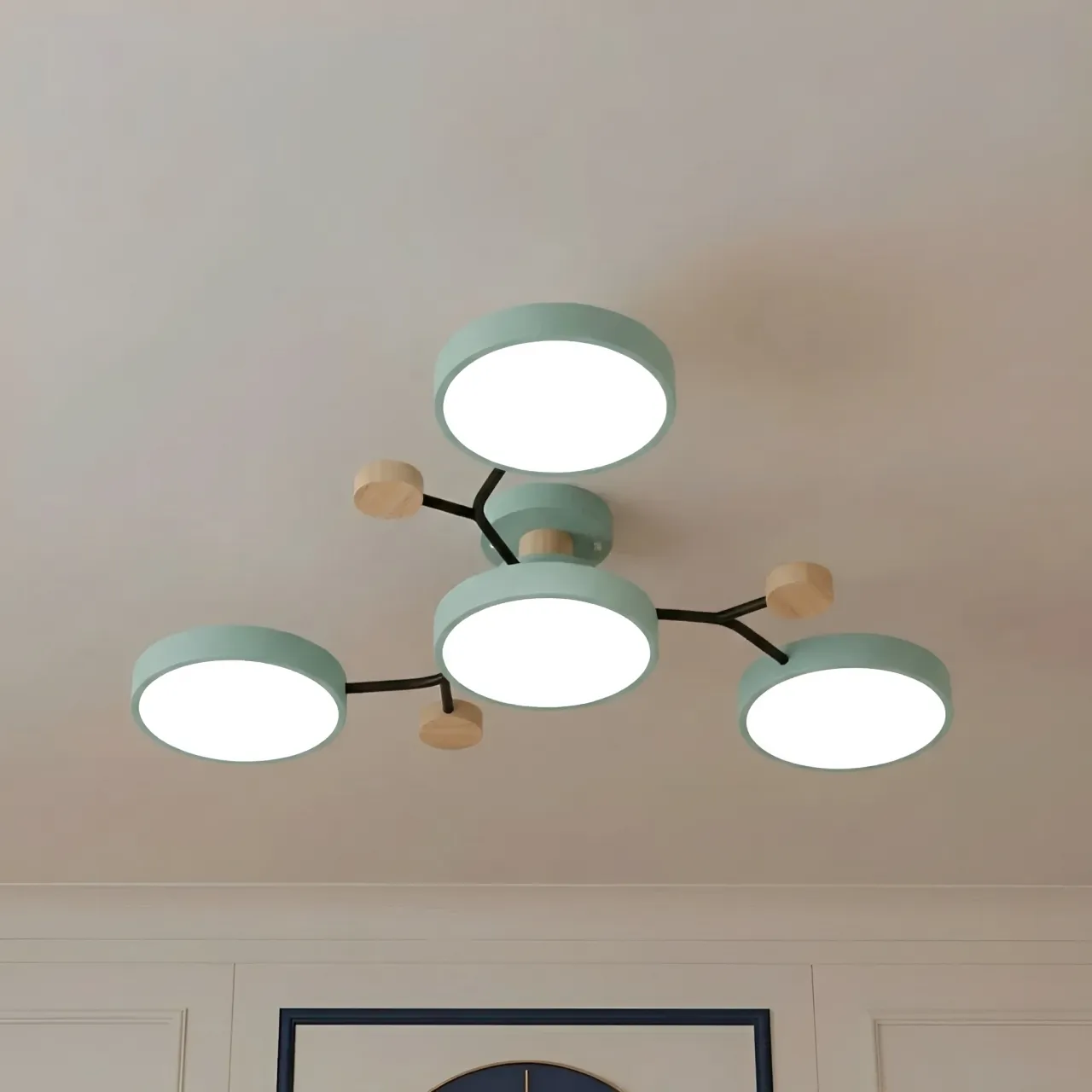
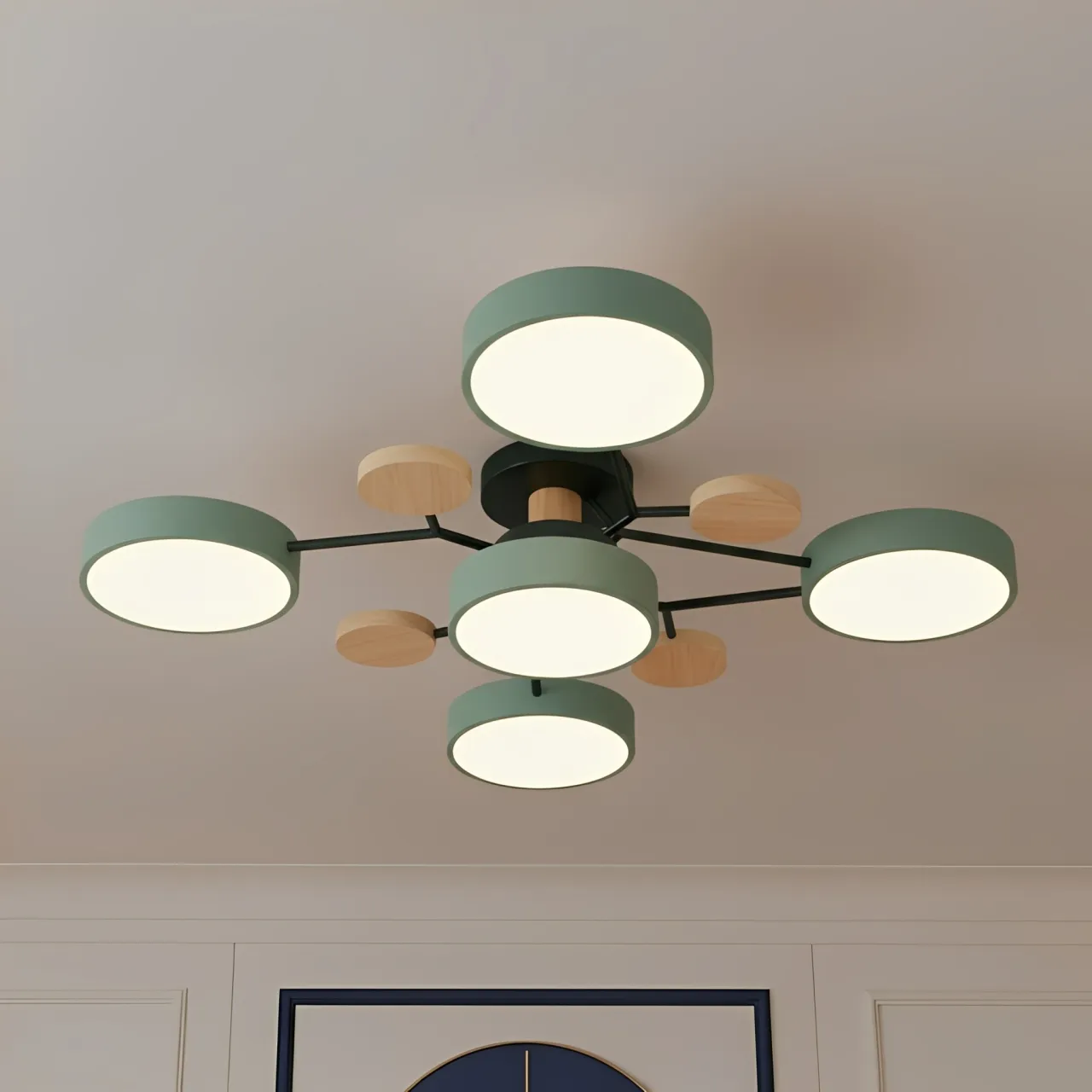
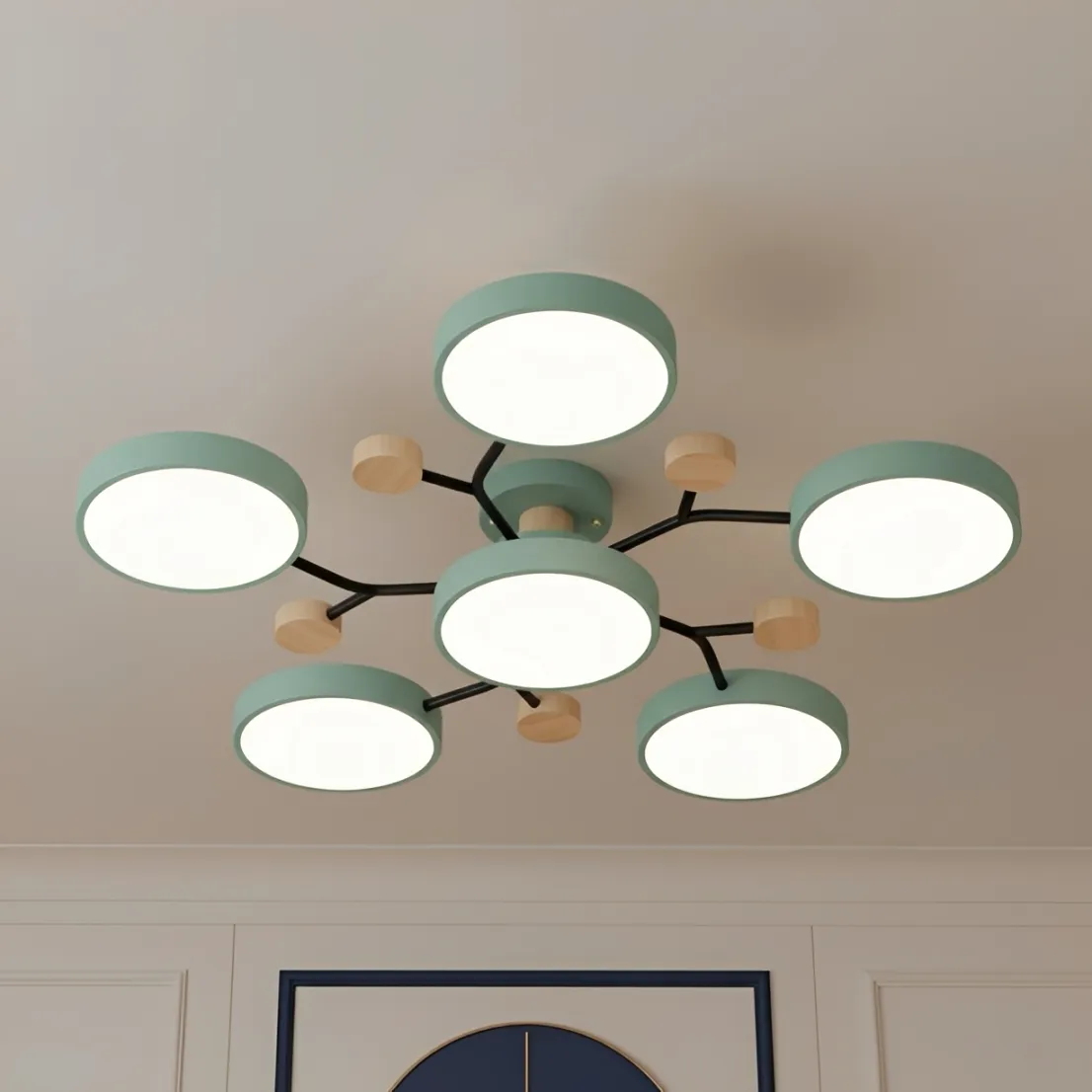
- Usare la finitura come sostituto dell'adeguatezza. Bianco classico o verde macaron: scegliere la plafoniera Modern Macaron aiuta a valutare il contrasto visivo, ma nessuna finitura cambia l'altezza indicata di 15 cm.
Una configurazione pratica per una luce migliore senza maggiore ribassamento
Lascia che l'apparecchio a soffitto fornisca un'illuminazione generale ampia, poi colloca sorgenti più piccole dove si svolgono le attività. Il Canadian Centre for Occupational Health and Safety distingue tra illuminazione generale e illuminazione locale o da lavoro e osserva che apparecchi e diffusori influenzano distribuzione e luminosità. Sebbene le sue indicazioni riguardino i luoghi di lavoro, la distinzione è utile anche in casa: la luce a soffitto aiuta a orientarsi, mentre una lampada da lettura o una luce sotto pensile porta l'illuminazione vicino all'attività.
Usa una piantana accanto al divano, una lampada da comodino schermata o una luce concentrata sul piano di lavoro invece di chiedere alla sola plafoniera la massima intensità. Questo approccio conserva il profilo sospeso di 15 cm e lascia agli abitanti il controllo sulla luminosità serale. Tavoli opachi e una posizione studiata dello schermo possono inoltre ridurre i riflessi fastidiosi.
La decisione: sceglila solo dopo tutti e tre i controlli
Orea è una candidata pratica per un soffitto basso perché i suoi 15 cm di altezza indicata conservano più volume libero di un apparecchio sospeso, mentre la forma ramificata in legno aggiunge carattere. L'opzione da 75 cm è la scelta predefinita sensata per gruppi di mobili compatti; la versione da 95 cm richiede una zona davvero ampia intorno.
Acquista solo dopo aver verificato, nello stesso punto di montaggio, il calcolo dello spazio libero sotto l'apparecchio, l'ingombro tracciato con nastro e la valutazione all'altezza degli occhi. Quando tutti funzionano insieme, l'apparecchio risolve il vero problema del soffitto basso: offre un elemento di design visibile senza consumare inutilmente spazio verticale.
Controlla dimensioni e opzioni luminose di Orea
Domande frequenti prima dell'acquisto
Una plafoniera da 15 cm è adatta a ogni soffitto basso?
No. Sottrai il ribassamento completo dopo l'installazione dall'altezza misurata del soffitto, poi controlla passaggi, porte, mobili e linee di vista normali.
La versione da 95 cm scende più in basso di quella da 75 cm?
La pagina prodotto indica entrambi i gruppi di dimensioni con un'altezza di 15 cm. La differenza principale è il diametro orizzontale, non il profilo verticale indicato.
Dove dovrebbe essere centrato l'apparecchio?
Di solito sopra il principale gruppo di mobili o la zona in cui si svolge l'attività. Centrarlo nella stanza è meno utile quando divano, tavolo o letto sono decentrati.
Una plafoniera a basso profilo può sostituire l'illuminazione da lavoro?
Non sempre. Lettura, cucina e lavoro alla scrivania traggono spesso beneficio da una lampada vicina o da una sorgente locale concentrata.
Quale dimensione Orea è più sicura per una stanza compatta?
Inizia provando l'ingombro da 75 cm. Passa a 95 cm solo quando il cerchio più ampio entra chiaramente nella zona dei mobili lasciando soffitto libero intorno.