How to Pair Mirrors and Lighting to Double Your Room Size (Without Knocking Down Walls)
We’ve all experienced that slight sense of claustrophobia when stepping into a cramped hallway, a windowless powder room, or a compact bedroom where the walls feel just a little too close for comfort. The instinctive response for many homeowners is to head straight to a home decor store, buy the largest mirror they can find, hang it up, and hope for an architectural miracle.
But more often than not, the result is underwhelming. Instead of a bright, expansive oasis, you end up with a large piece of glass reflecting a dark, shadowy corner.
Why does this happen? Because mirrors do not create space; they reflect it. And they cannot reflect what isn’t there. To unlock the true spatial magic of a mirror, you must activate it with the right kind of light. When you master the science of pairing mirrors and lighting, you manipulate human visual perception, dissolve physical boundaries, and effectively double the visual footprint of your room.
Here is an architectural insider's guide to mastering this ultimate design illusion.
1. The "Glare Trap": Why Most Mirror and Light Pairings Fail
Before discussing where to put your furniture, we need to address the most common mistake made in small-space design: the glare trap.
When people realize they need more light to make a room look bigger, they often install high-intensity directional lights—like recessed spotlights or exposed, clear-bulb pendants—right next to or opposite a mirror. This creates a harsh, localized hotspot.
When a concentrated beam of light hits a reflective glass surface, it doesn’t expand the room. Instead, it bounces directly back into your eyes, causing glare. Biologically, your pupils constrict to protect your eyes from the brightness, which actually makes the surrounding corners of the room appear darker and smaller than they actually are. It turns an intended design upgrade into a cheap, uncomfortable distraction.
To make a space feel double its size, you must avoid direct, focused beams and opt instead for diffused, 360-degree ambient light. You want light that gently washes over the mirror’s surface, allowing the glass to catch the illumination and scatter it softly across the room's parallel surfaces.
2. Spatial Geometry: 3 Foolproof Layout Formulas for Visual Expansion
To successfully trick the brain into seeing depth where a solid wall exists, you need to treat your mirrors and light fixtures as a coordinated geometric system. Here are three field-tested layout formulas used by high-end interior designers.
Formula 1: The Vertical Stretch (For Low Ceilings)
If your room suffers from a low ceiling, a standard flush-mount ceiling light will only highlight the lack of vertical clearance, casting a harsh downward shadow.
- The Blueprint: Install a semi-flush mount light fixture that sits slightly below the ceiling plane, paired with a tall, vertically oriented rectangular or capsule mirror directly adjacent to it.
- The Illusion: The semi-flush fixture allows light to escape upward, washing the ceiling in brightness and erasing the dark shadows that make a ceiling feel low. The vertical mirror then catches this upward and downward glow, guiding the human eye on a vertical journey from floor to ceiling, making the room feel significantly taller.

Formula 2: The Horizontal Push (For Narrow Hallways and Foyers)
Narrow pass-through spaces like entryways and long hallways often feel like tunnels. The goal here is to push the lateral walls outward.
- The Blueprint: Place a wide, horizontal or oversized round mirror on one side of the wall. On the ceiling, position an ambient fixture slightly ahead of the mirror’s central axis.
- The Illusion: By placing the light source just forward of the mirror, the light bounces off the glass and reflects back across the narrow width of the hallway. This breaks the "tunnel vision" effect, creating the optical illusion of an open, airy crossroad rather than a tight corridor.

Formula 3: The Dark Corner Dissolver (For L-Shaped Rooms or Alcoves)
Every small room has a "dead corner"—an awkward alcove or an L-shaped turn that natural light simply cannot reach.
- The Blueprint: To create an effective dark corner lighting scheme for hallways and entrances, set up a medium-sized floor or wall mirror at an exact 45-degree angle across the corner. Position a multi-directional ambient ceiling light a few feet away from the vertex.
- The Illusion: The 45-degree mirror catches the ambient light from the center of the room and throws it directly into the darkest depth of the alcove. By eliminating the shadow in the corner, you eliminate the visual boundary of where the room ends, making the layout feel continuous and infinite.
3. The Unsung Hero of Small Spaces: Why Semi-Flush Globe Lights Are the Ultimate Solution
When choosing lighting for compact or challenging layouts, your choice of fixture structure and materials will make or break the illusion. Many people gravitate toward dramatic, low-hanging pendant lights. However, in a small bedroom, closet, or entryway, a long pendant physically cuts off headroom and breaks up the visual plane, making the room feel cluttered.
Conversely, standard, flat-against-the-ceiling flush mounts often suffer from the "cave effect"—they throw all their light directly down at the floor, leaving the ceiling and upper walls entirely in shadow.
The golden middle ground is the semi-flush mount fixture, particularly when paired with a globe glass design.
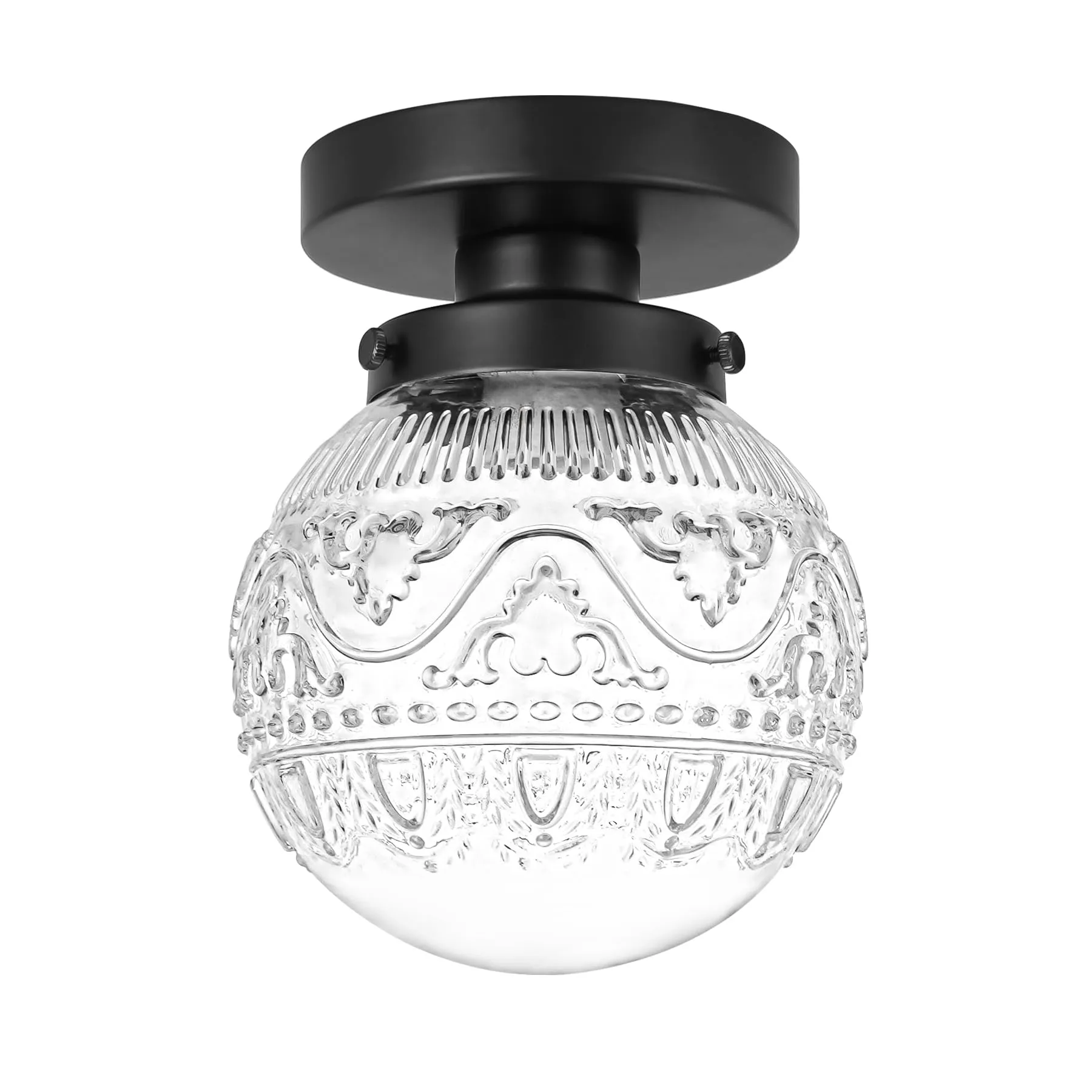
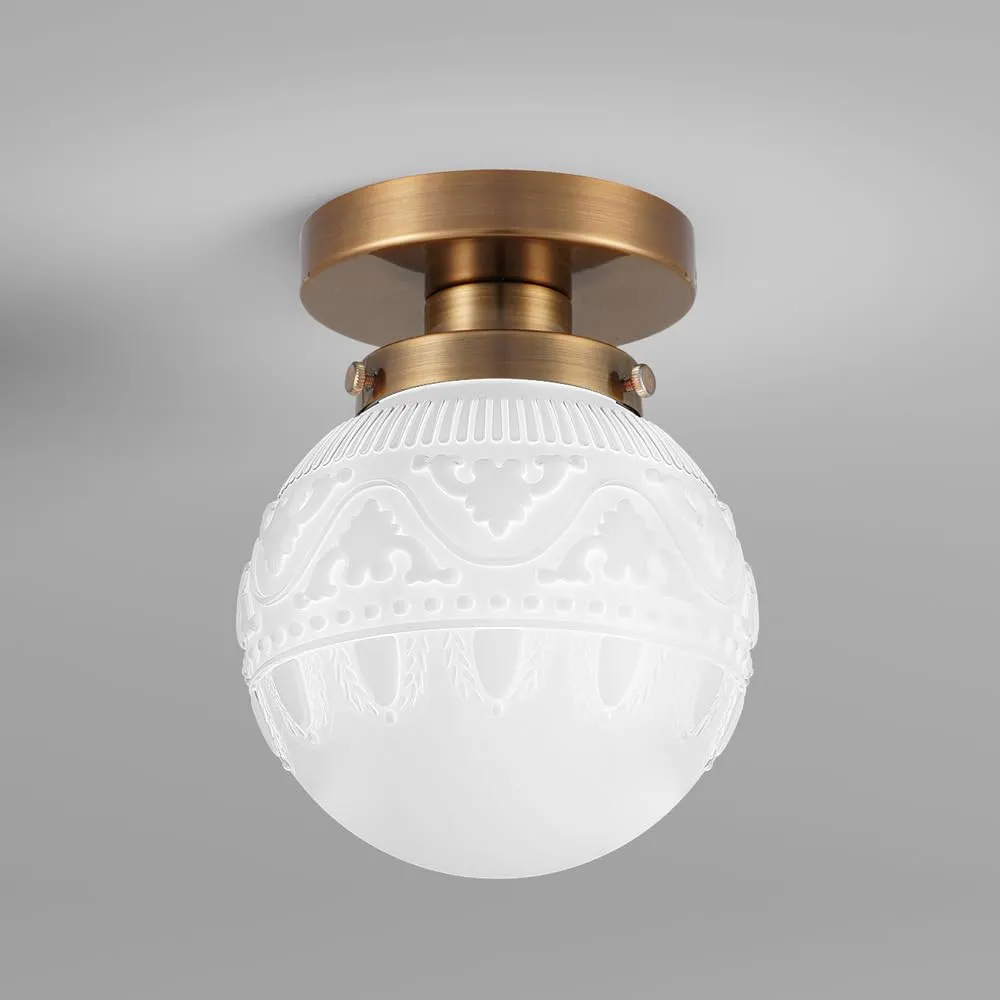
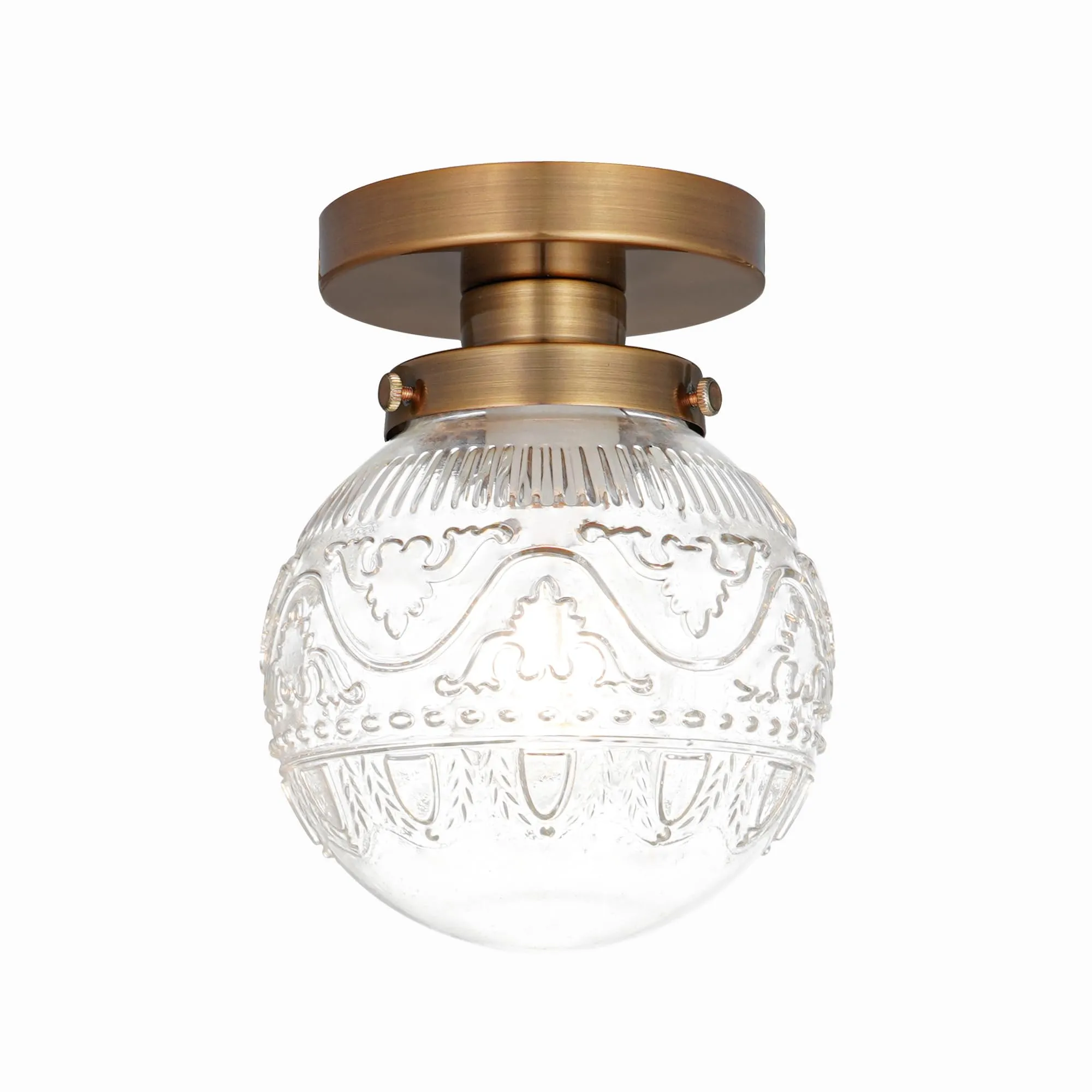
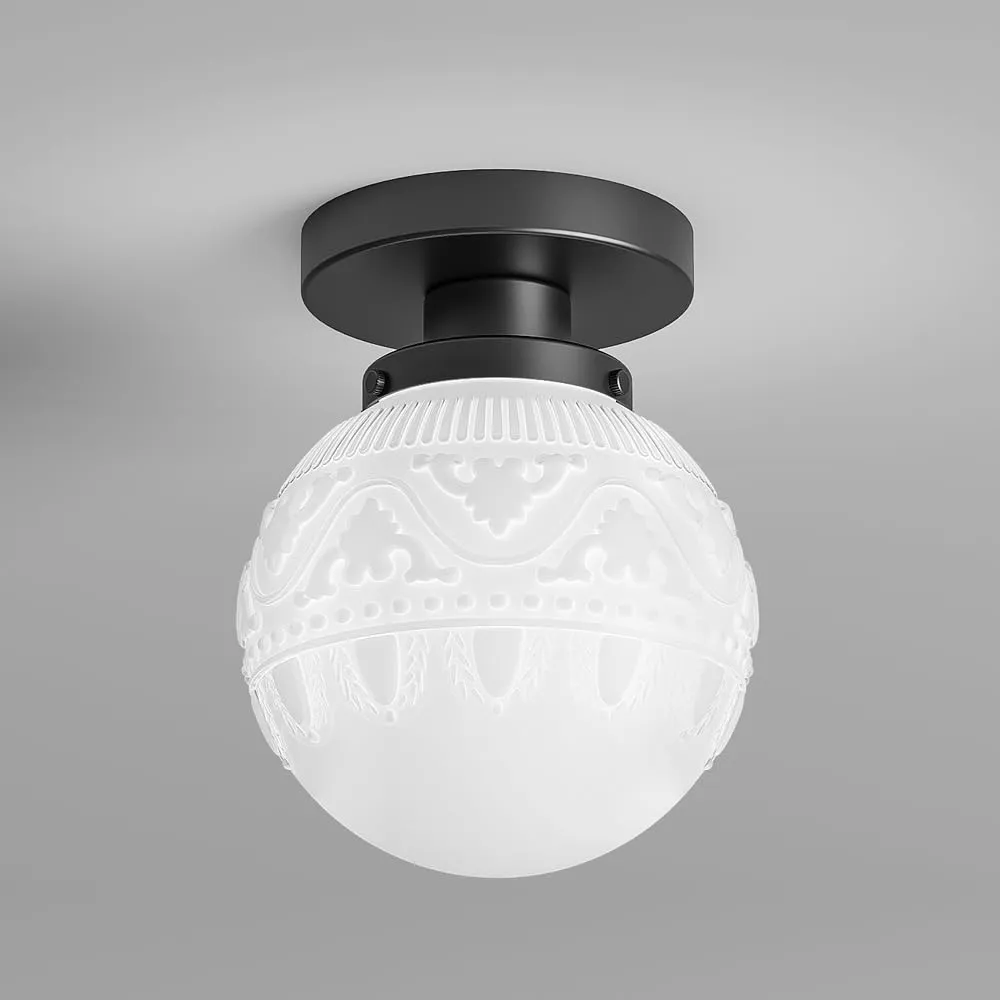
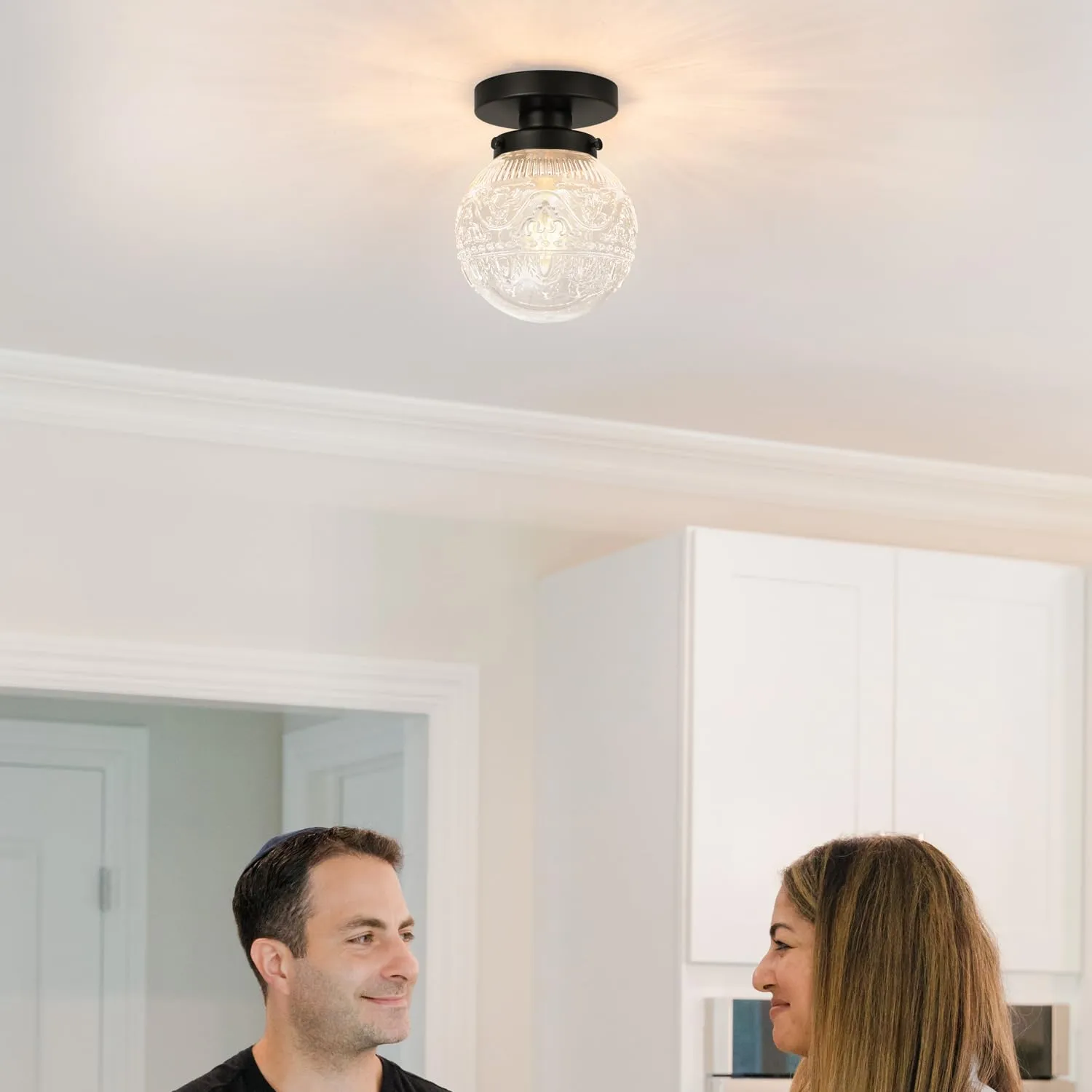
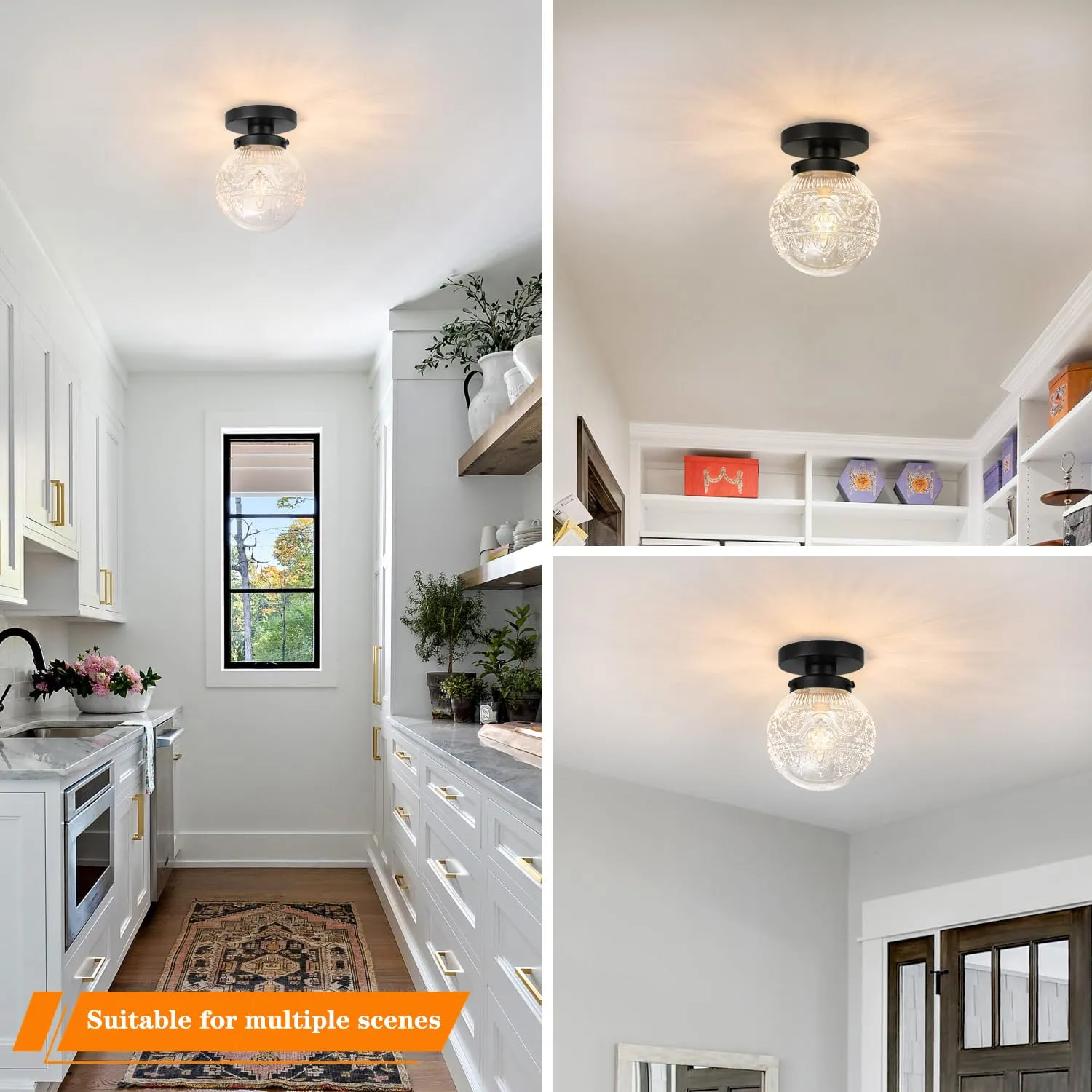
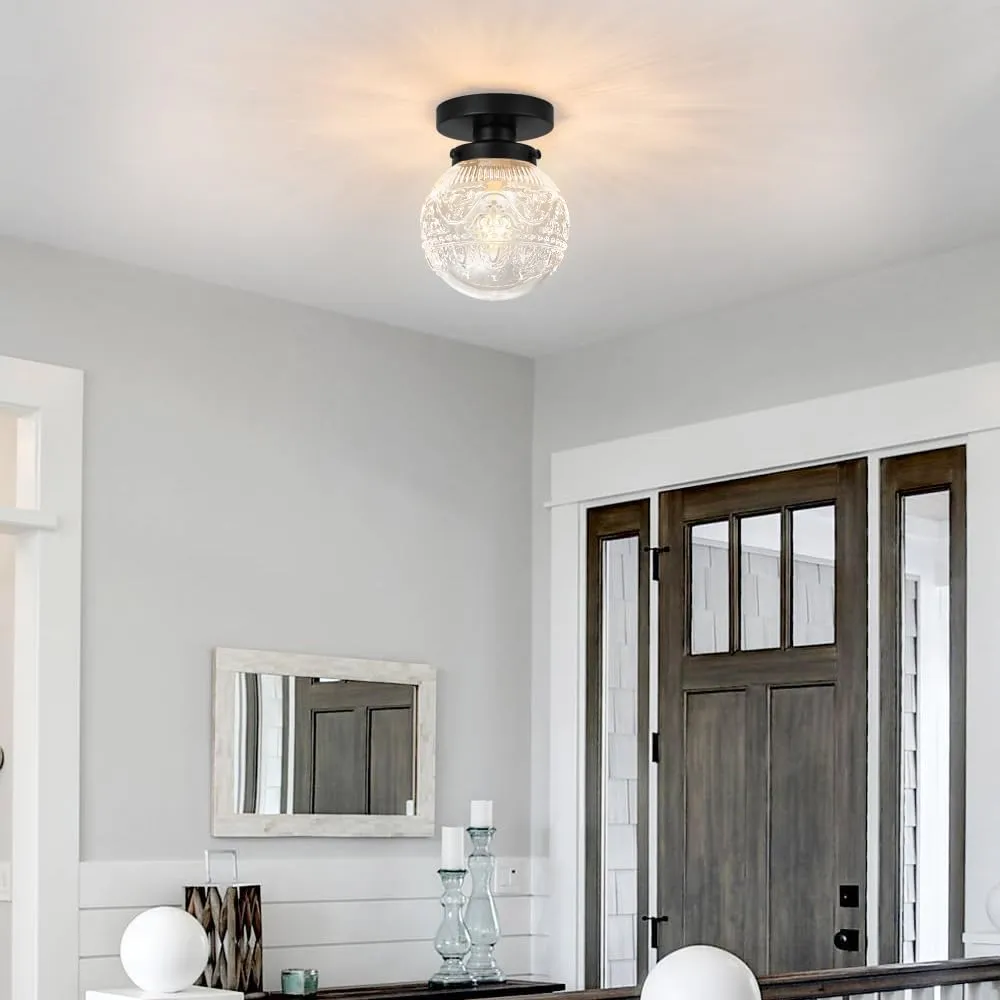
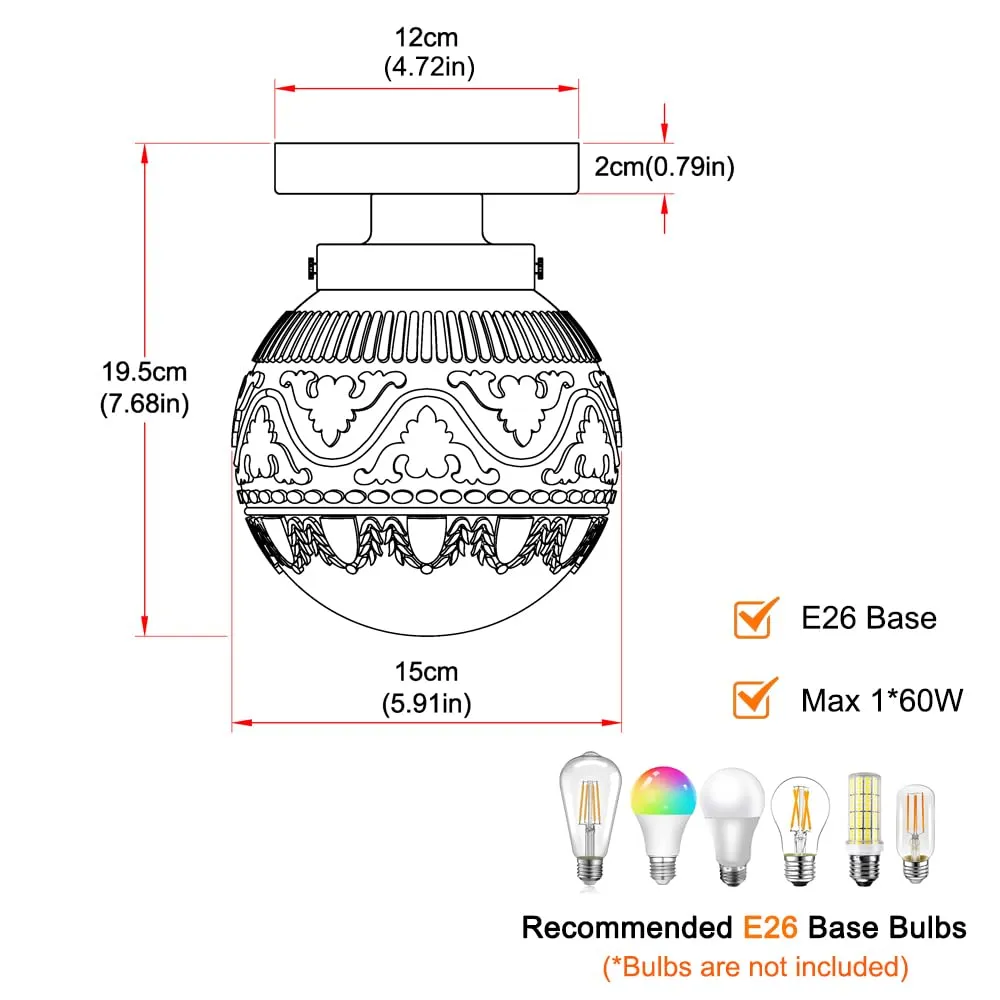
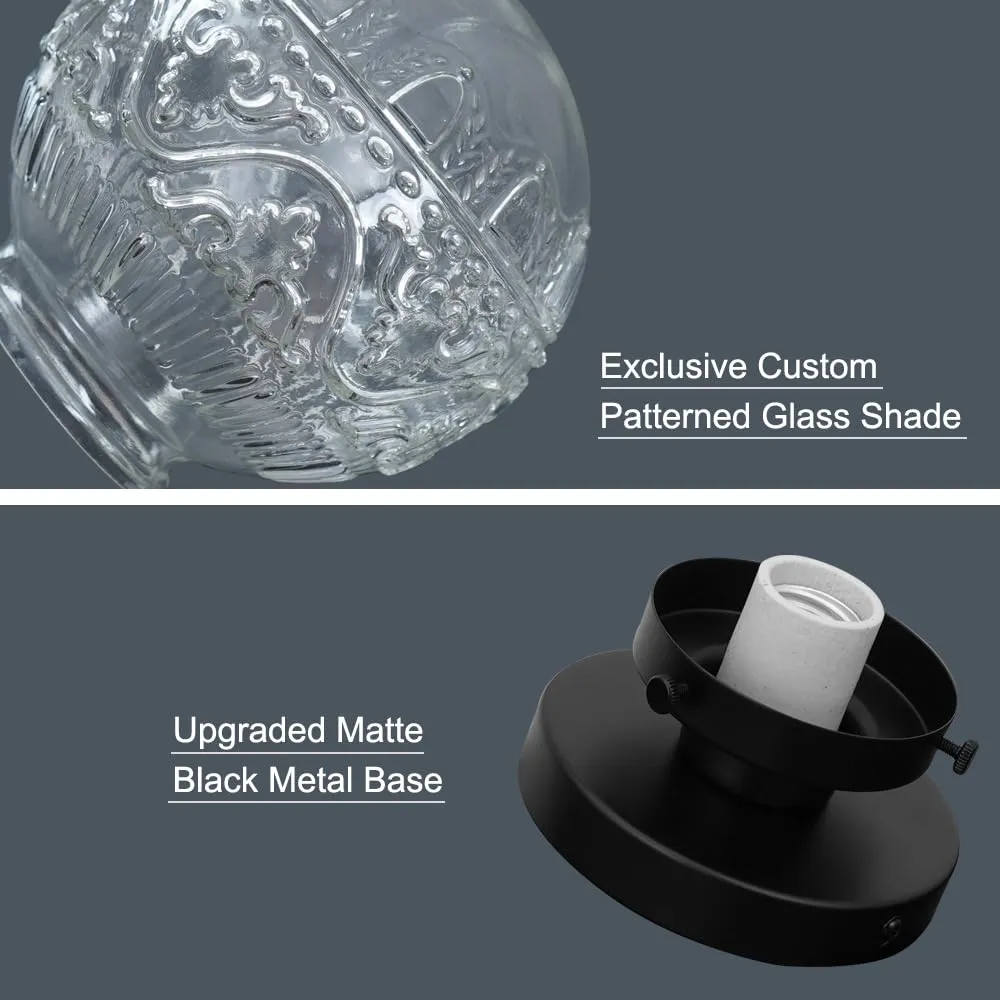
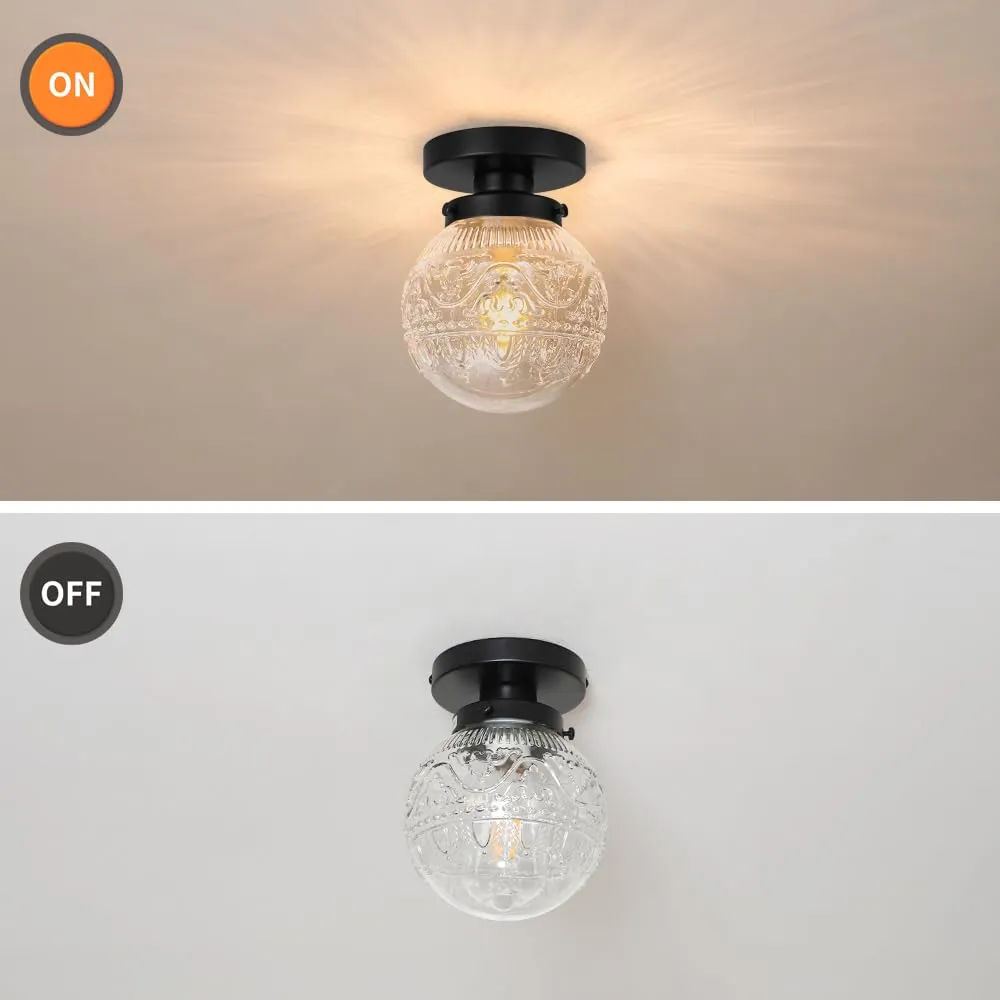
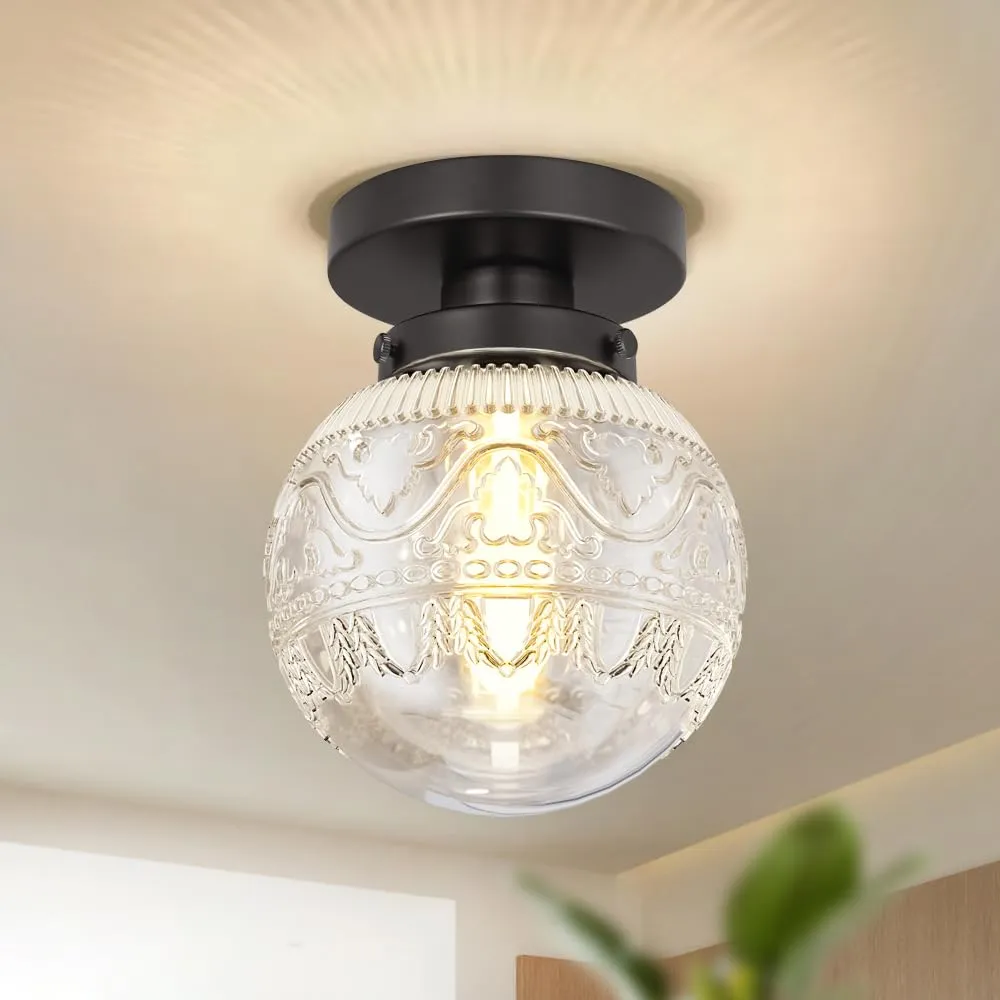
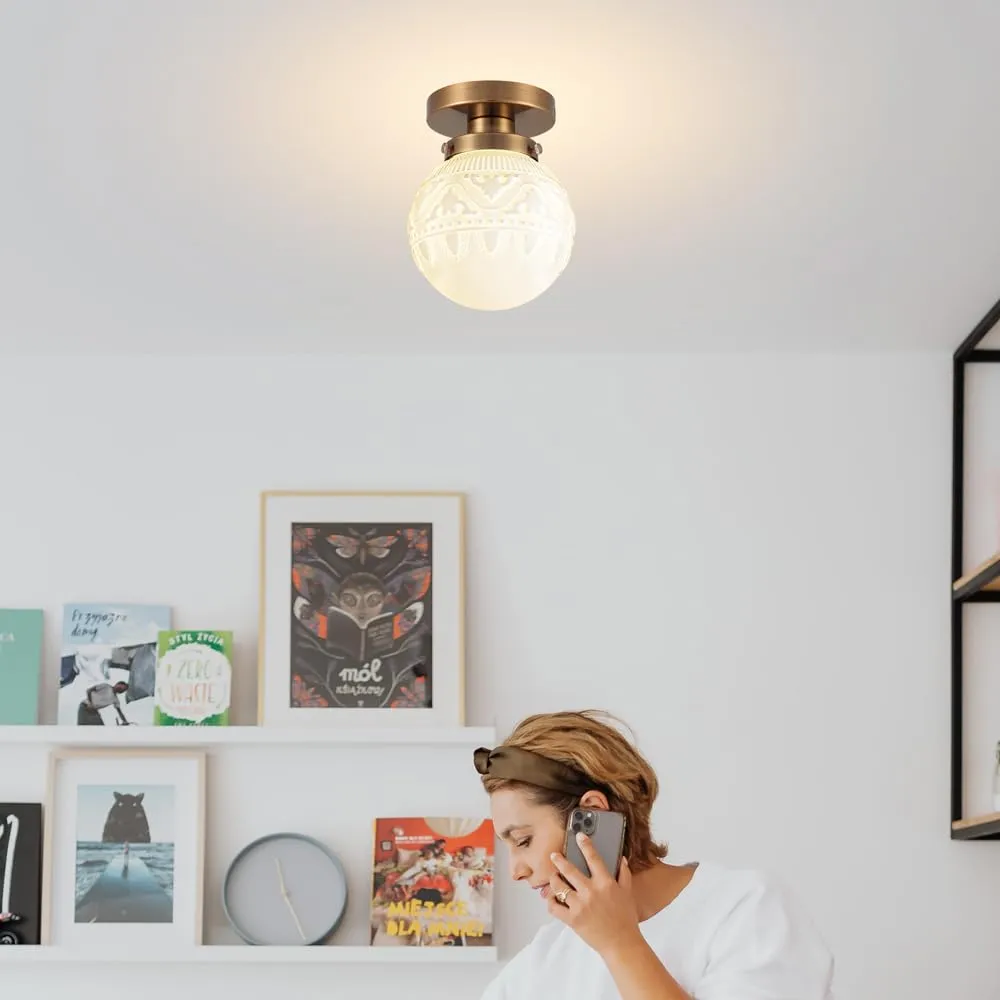
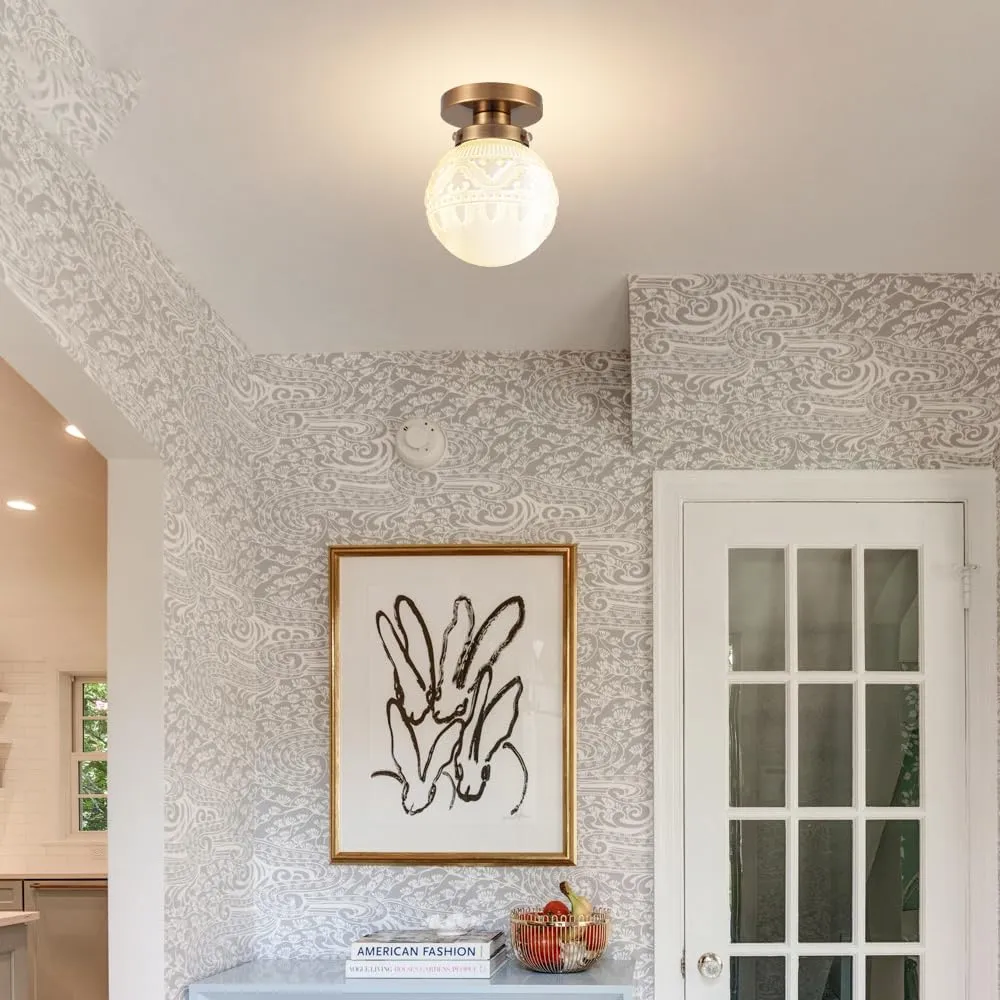
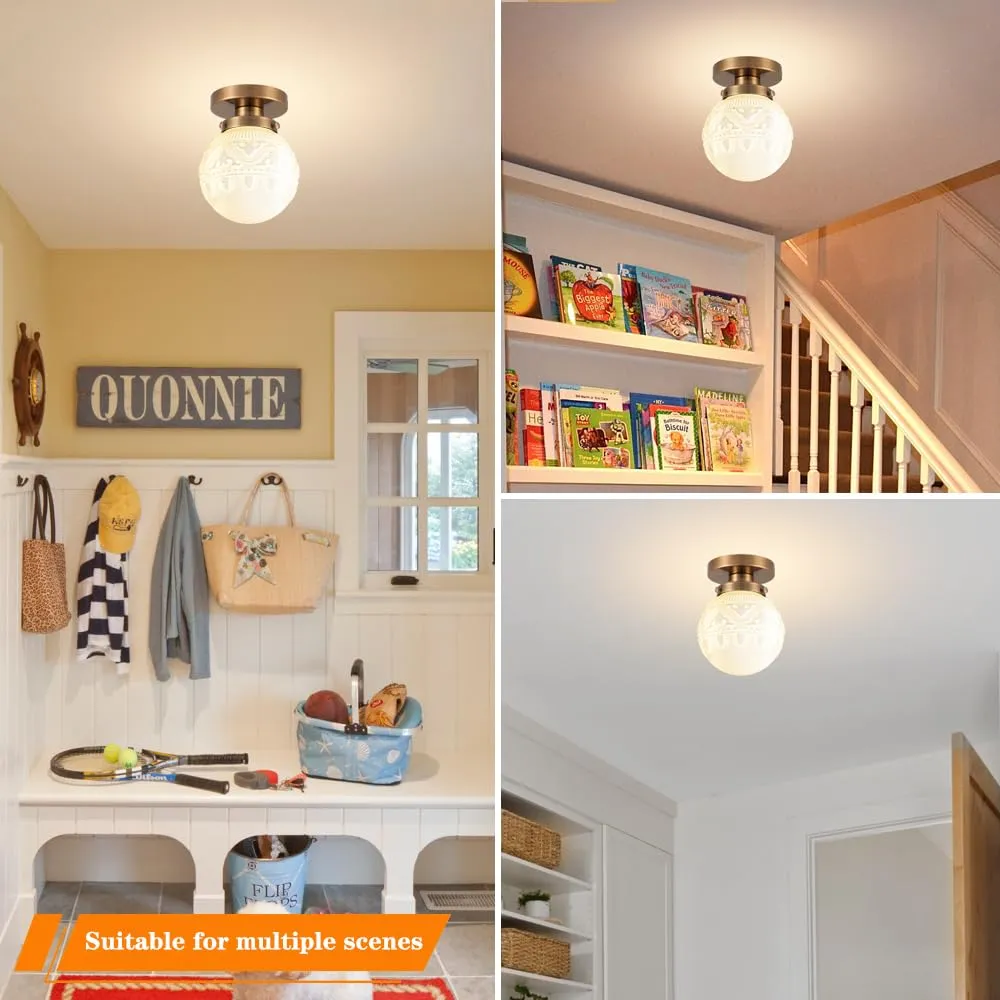
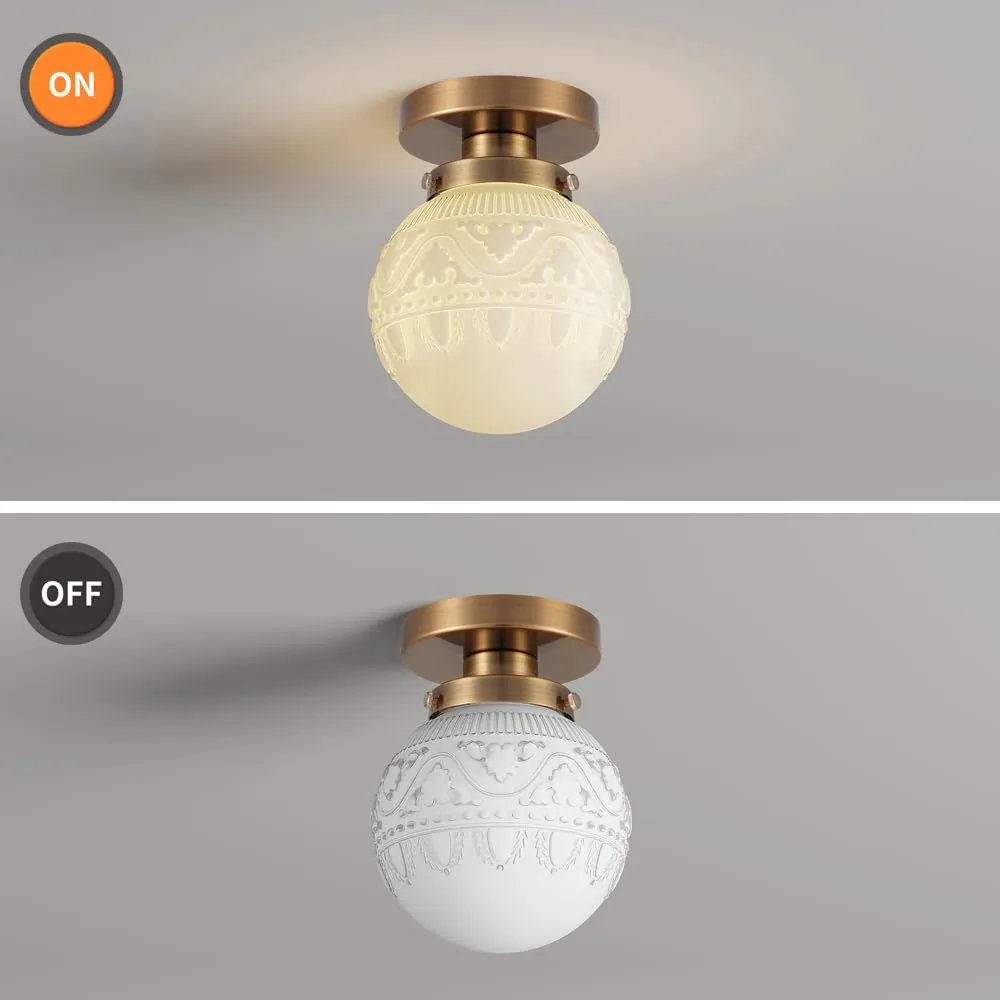
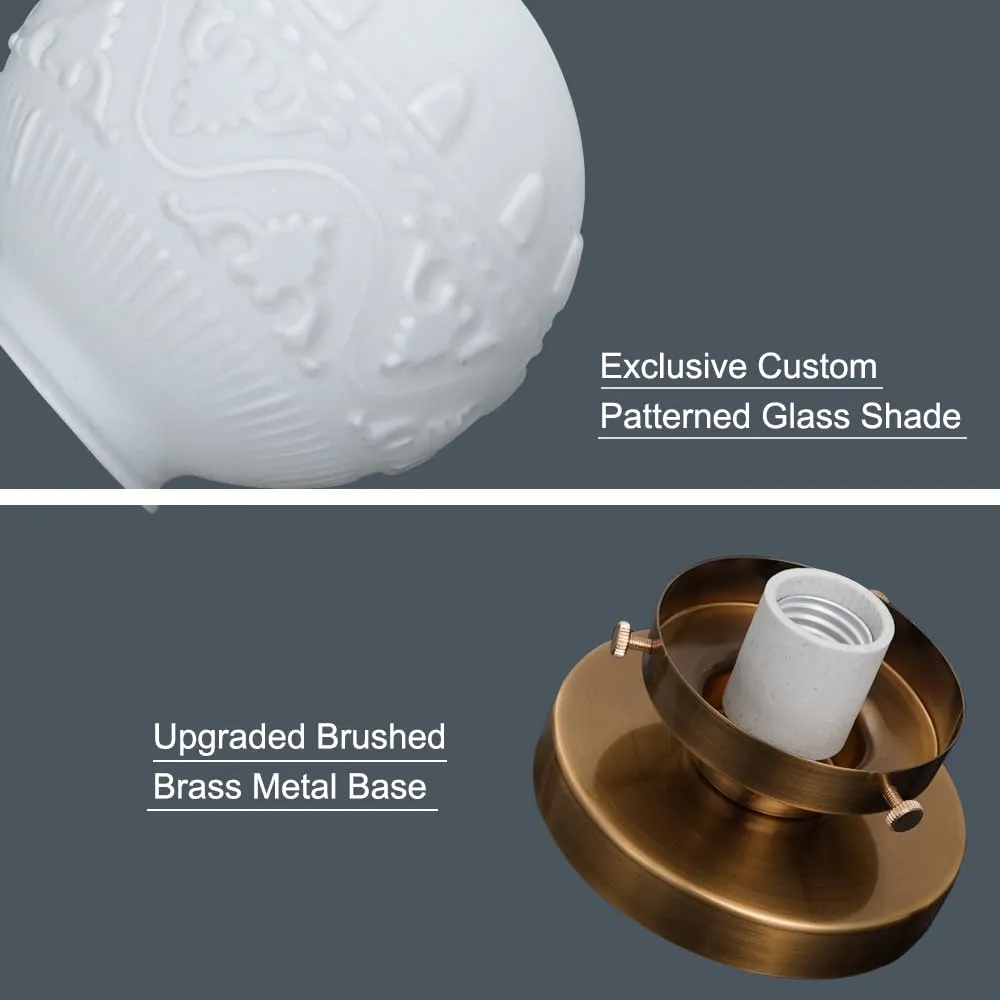
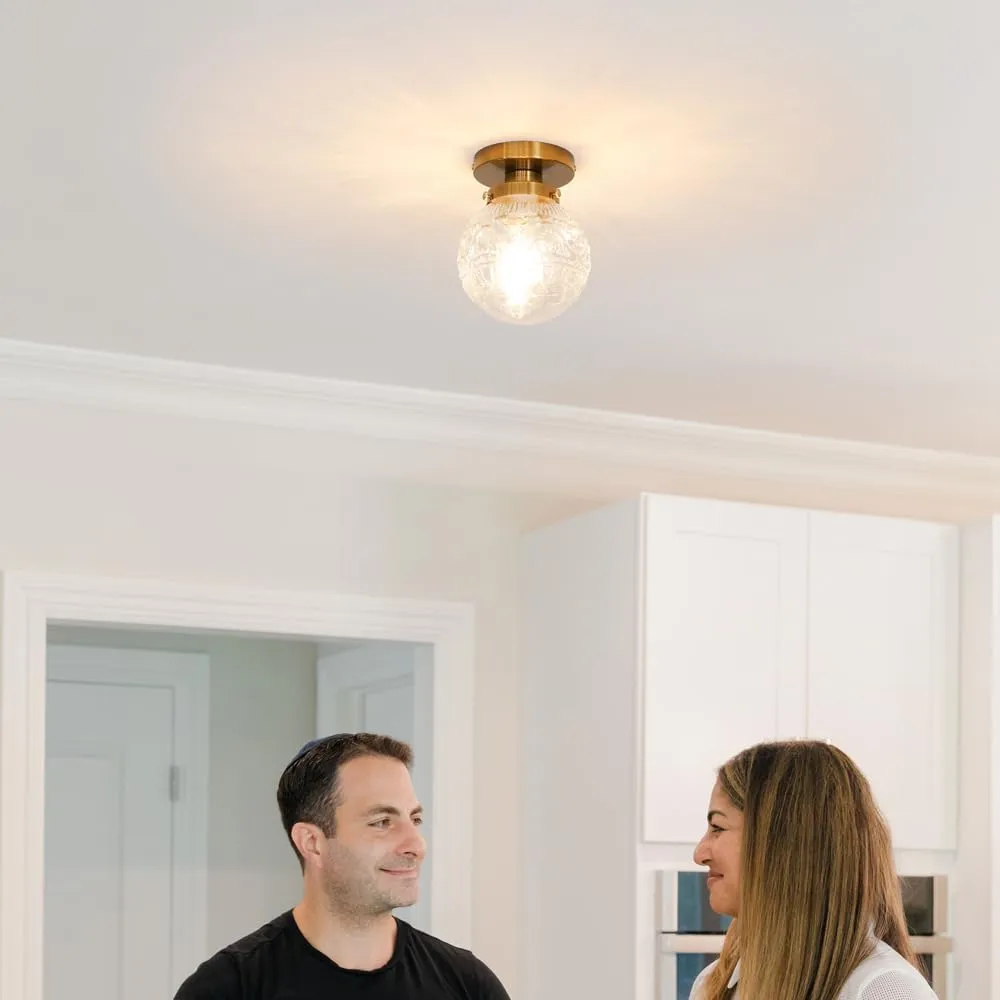
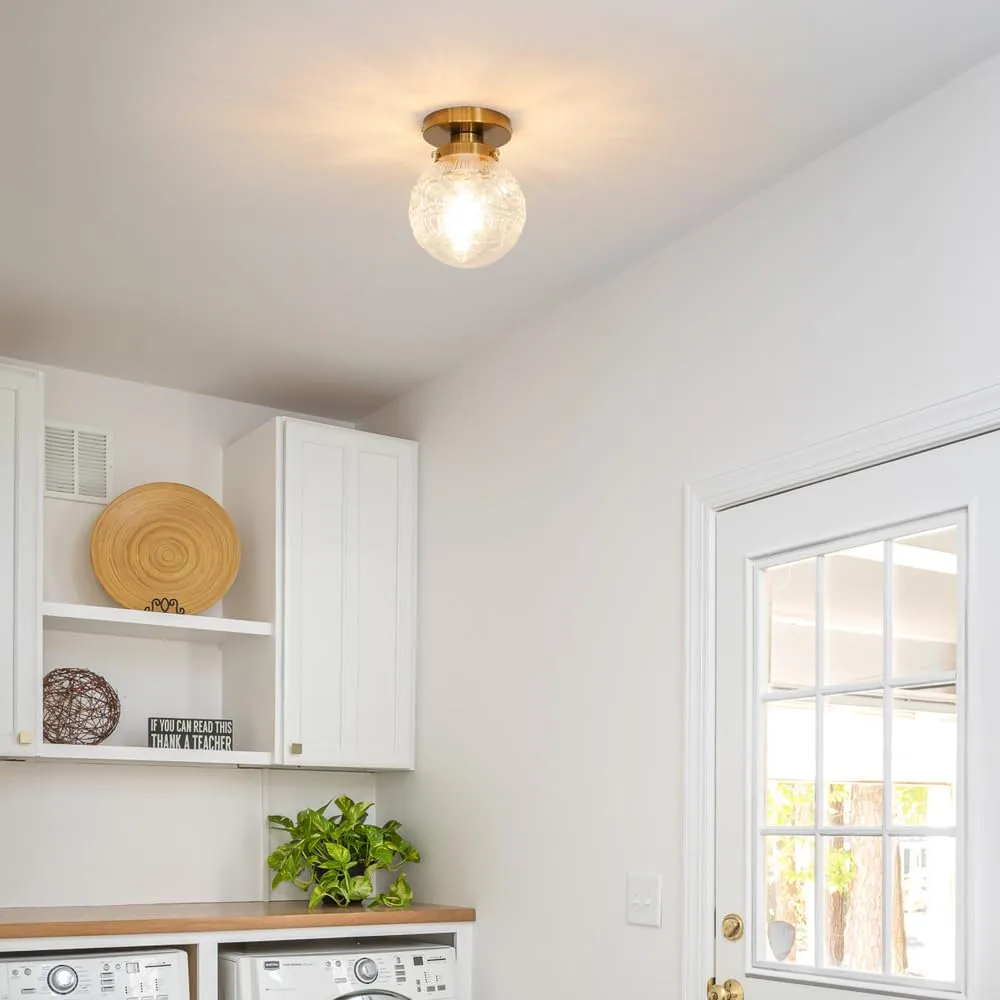
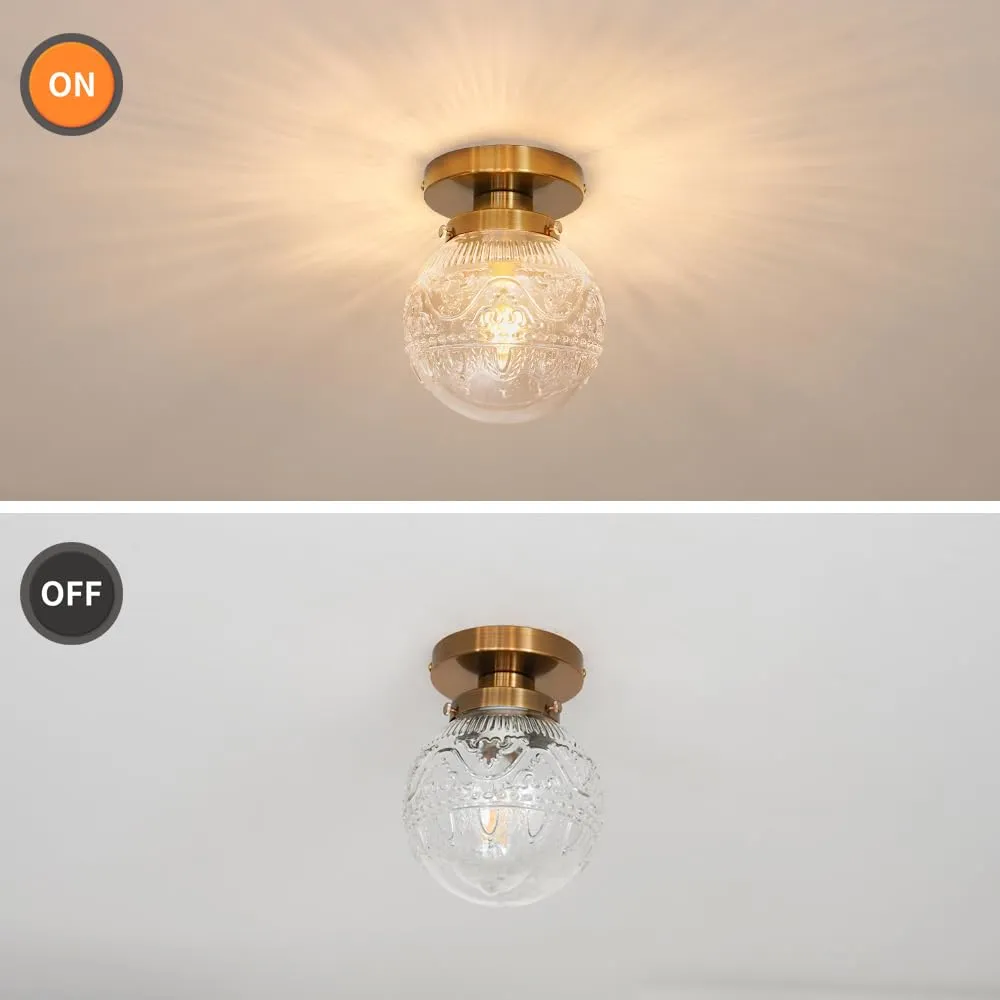
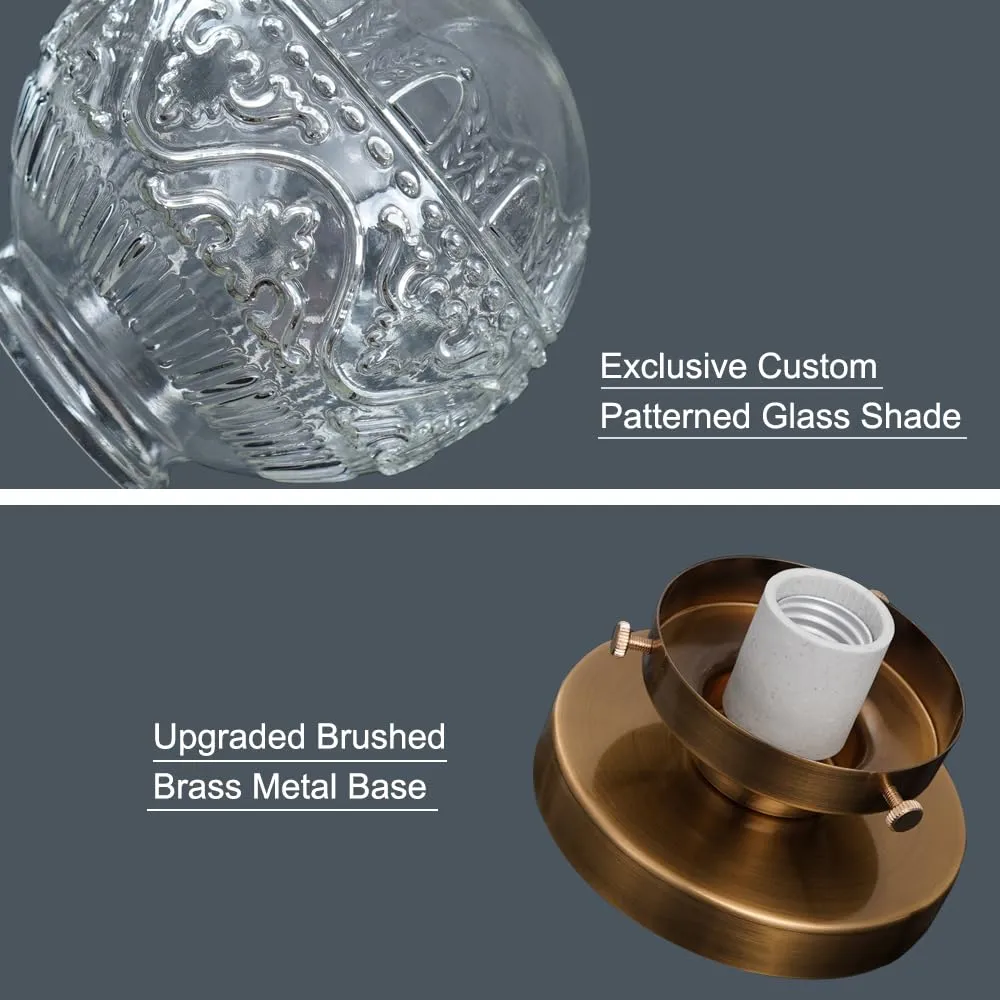
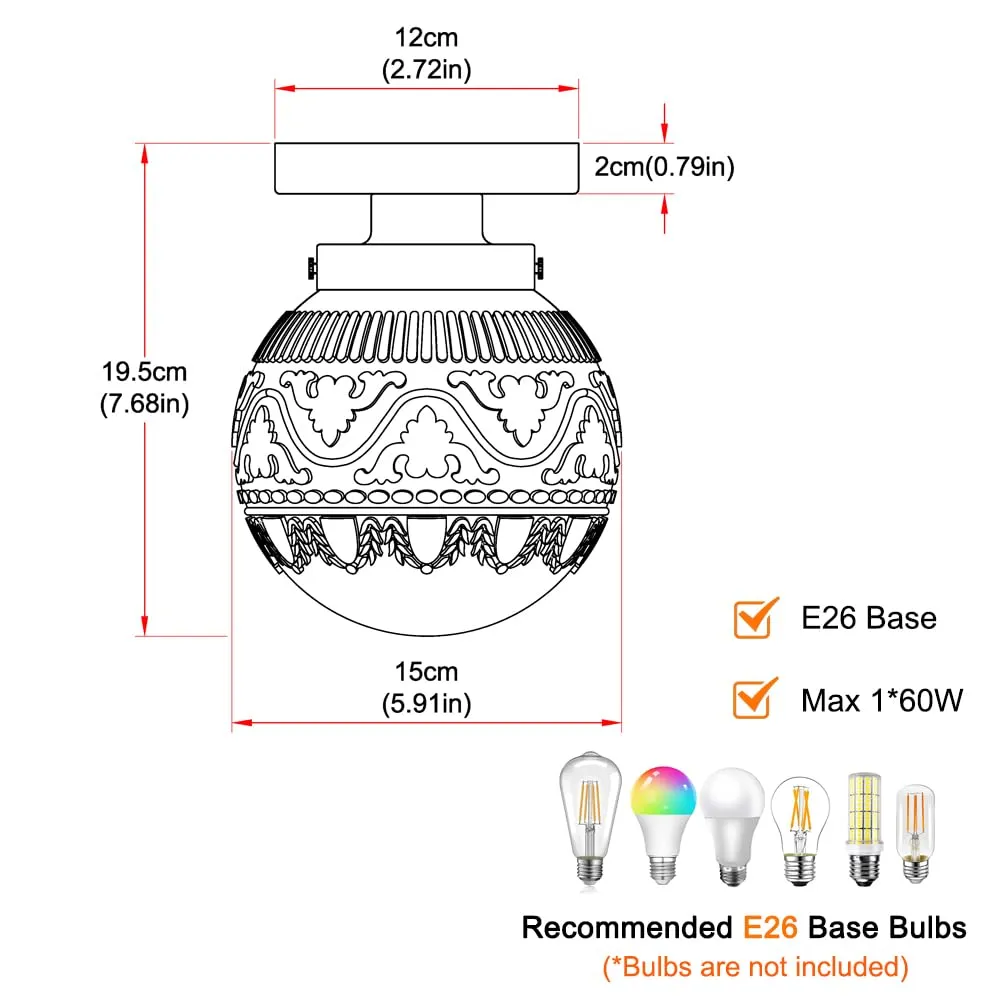
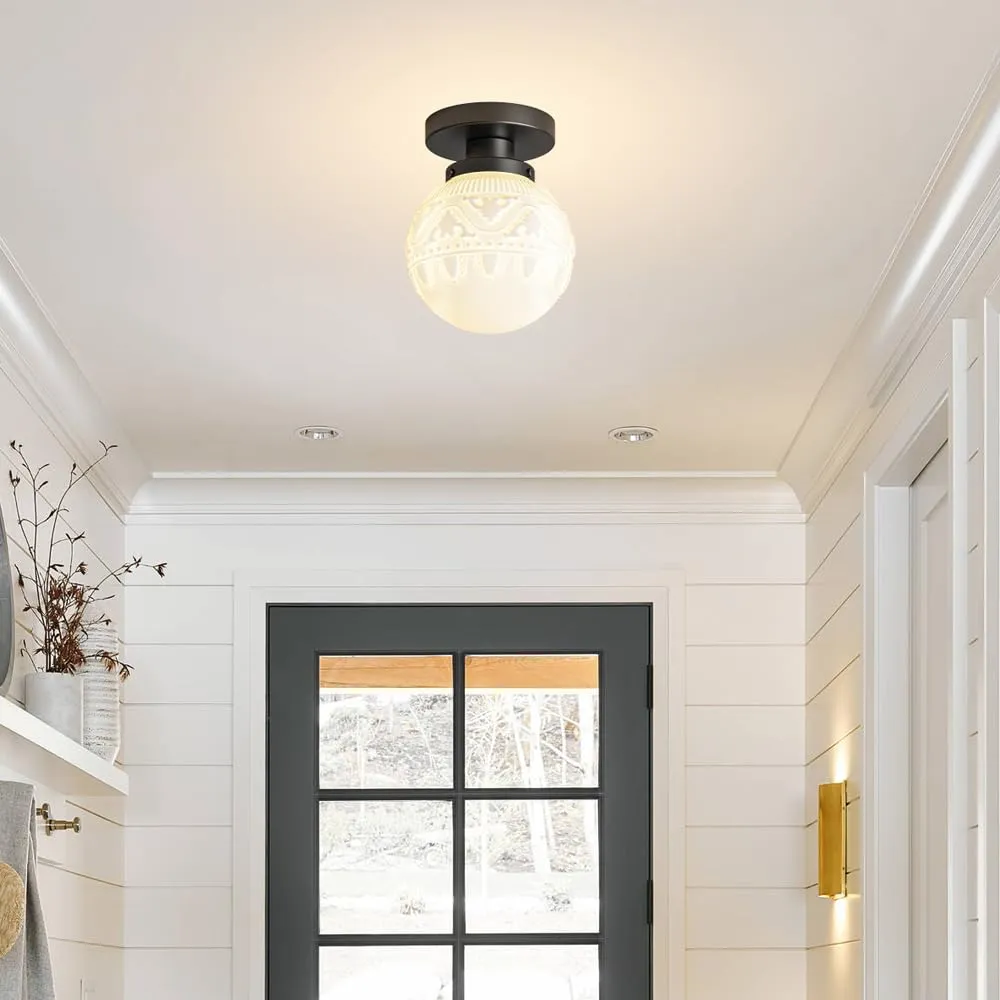
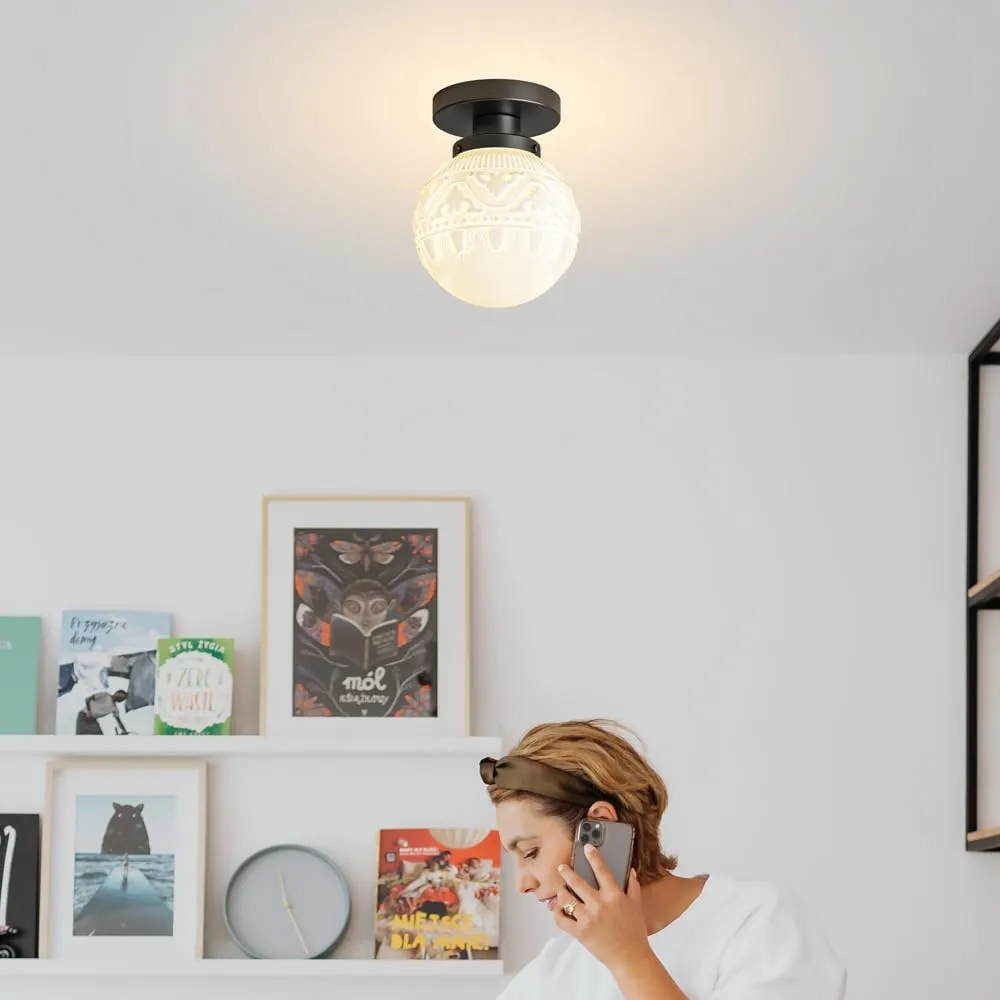
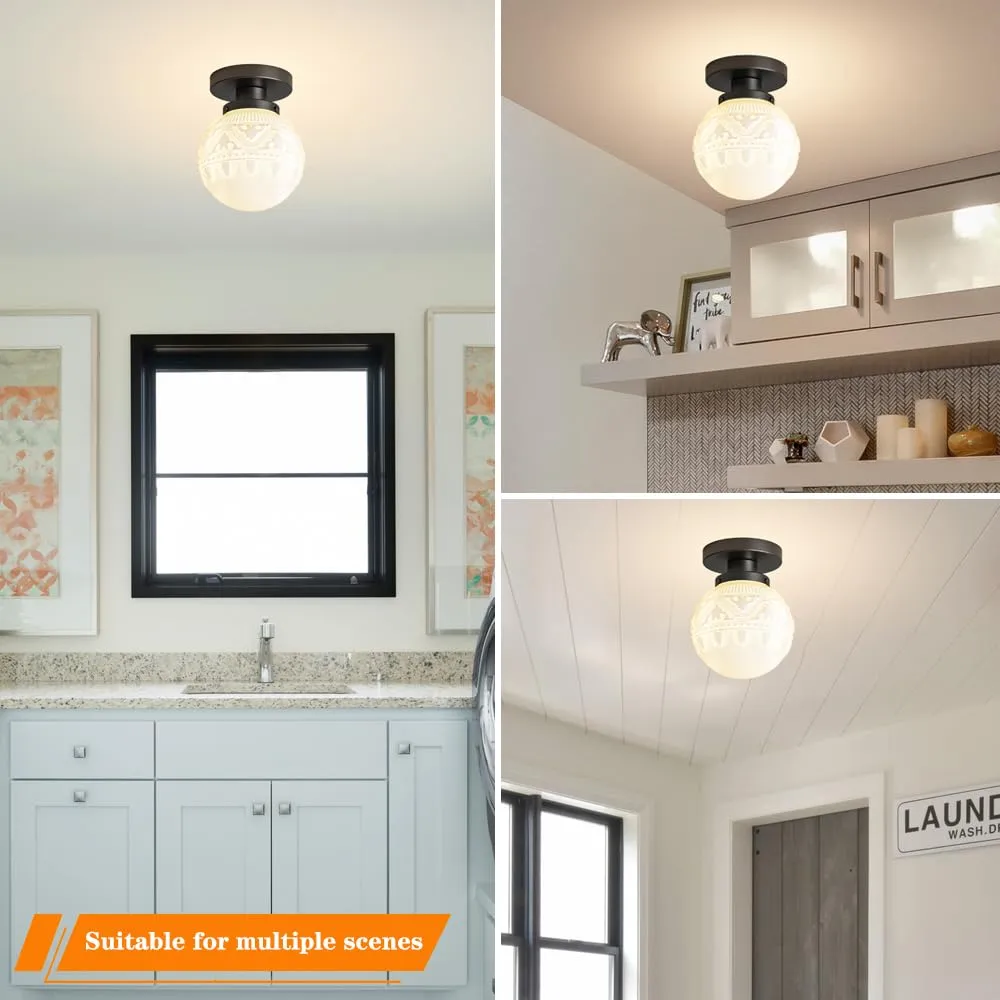
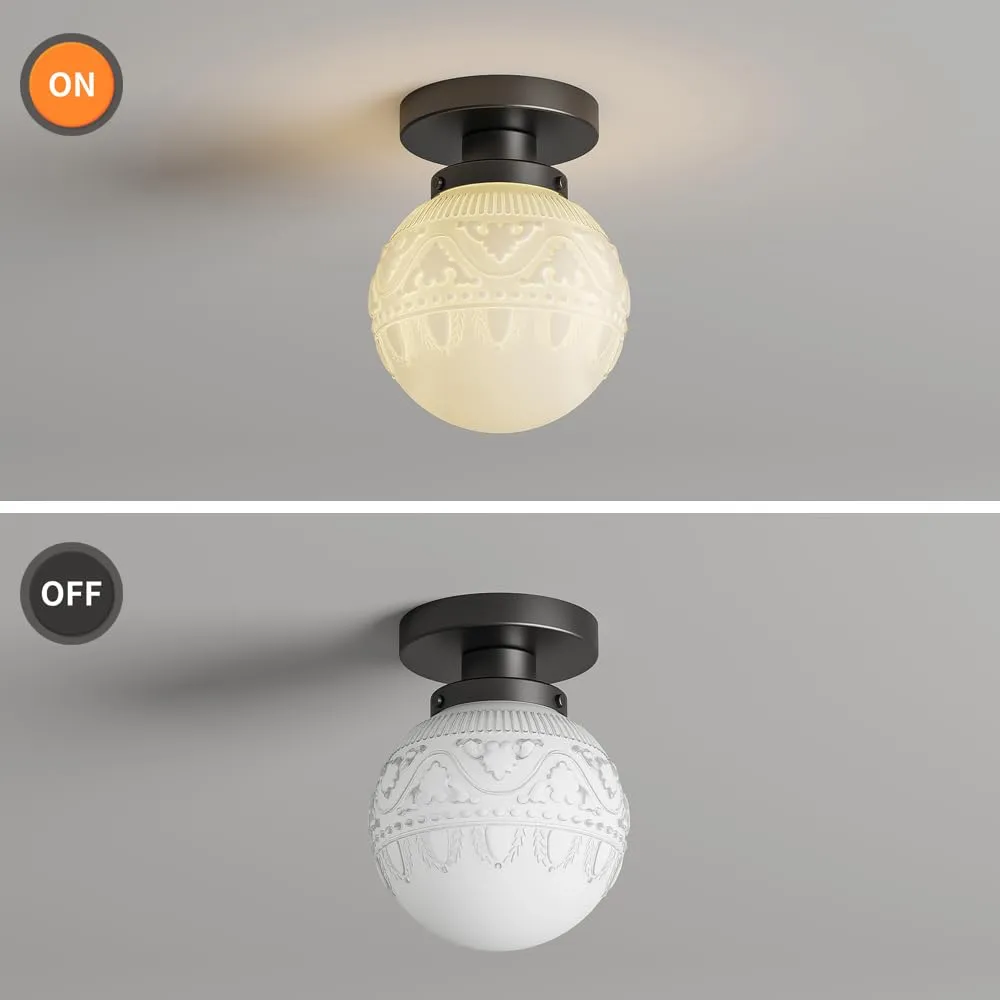
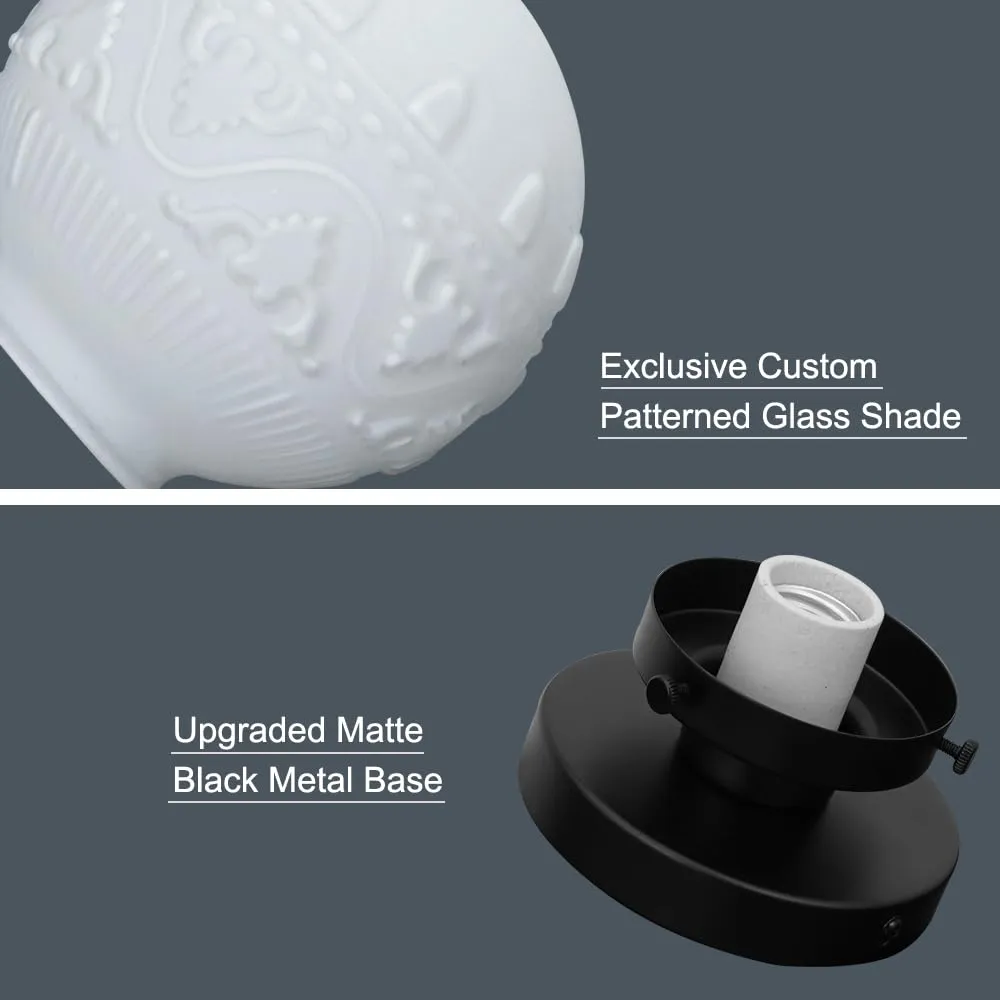
A prime example of this design philosophy in action is the Vintage Globe Glass Semi-Flush Mount Ceiling Light Fixture.which perfectly illustrates how to make a small space look more spacious through lighting layout. Let’s break down exactly why this specific design architecture works perfectly alongside mirrors to expand a room:
| Design Element | Optical Benefit in Small Spaces |
|---|---|
| Semi-Flush Drop Profile | Casts light upward onto the ceiling AND downward, eliminating the "cave effect" and raising perceived height. |
| 360-Degree Globe Glass | Diffuses light evenly in all directions. No harsh spotlights means zero blinding reflection or glare when hit by a mirror. |
| Antique Black Geometric Frame | Provides a crisp, clean visual anchor. The sharp contrast draws the eye upward without creating physical bulk. |
By choosing a fixture like this vintage globe glass model, you solve the glare problem completely. The frosted or seeded vintage glass acts as a natural modifier, softening the light particles before they reach your mirror. When the mirror catches this omnidirectional glow, it reflects a soft, ambient radiance back into the room, creating an authentic sense of airy depth.
4. Real-World Scenarios: Transforming the 4 Tightest Corners of Your Home
Let's look at how to apply this lighting-and-mirror synergy to the specific areas of your home that need it most.
The Cramped Entryway or Foyer
First impressions matter, but entryways are notoriously tight. To fix this, hang a sleek console mirror on the main wall. Directly above the walkway, install a compact fixture like the Antique Small Black Hallway Light Fixtures. The rich, dark vintage framing of the light provides an elegant contrast against light-colored walls, while the globe glass maximizes the lumens thrown against your entryway mirror, creating an instant feeling of a grand, welcoming foyer.
The Compact Bedroom or Walk-In Closet
Closets and small bedrooms are frequently starved for natural light, making getting dressed a frustrating experience dominated by shadows. Avoid heavy, fabric-shaded lamps that absorb light. Instead, pair a full-length leaning floor mirror with a central semi-flush globe light. Because the globe light distributes illumination evenly to all sides, your reflection in the floor mirror will be clear, bright, and free of the harsh overhead shadows that alter colors and compress the space.
The Windowless Bathroom or Powder Room
Bathrooms without windows are the ultimate design challenge. To simulate the bright feeling of natural daylight, place your main vanity mirror on the wall, and utilize a high-quality glass ceiling fixture to mimic an architectural skylight. The way a globe glass fixture scatters light across a bathroom mirror eliminates dark pockets around the shower or toilet, instantly creating a clean, spa-like atmosphere where the walls seem to recede.
The Ultimate Spatial Expansion Checklist
If you are ready to stop feeling limited by your square footage, keep this quick summary checklist in mind when planning your next home update:
- Ditch the Spotlights: Never point directional, unshielded bulbs directly at a reflective surface.
- Prioritize 360° Diffusion: Opt for globe glass, frosted glass, or shaded fixtures that scatter light evenly.
- Invest in a Semi-Flush Mount: Keep your vertical clearance clear while ensuring light reaches your ceiling plane to combat the "cave effect."
- Match Your Accents: Keep the room looking cohesive by matching the metal accents of your light fixture's canopy with the frame of your mirror.
You don't need a massive renovation budget or a team of contractors to make your home feel grand. By simply updating your lighting foundation with a well-engineered piece like the Vintage Globe Glass Ceiling Light Fixture and positioning it with intention, you can open up your home, master the illusion of depth, and finally enjoy the spacious environment you deserve.
Frequently Asked Questions (FAQ)
Q1: Can I use LED bulbs with globe glass fixtures to expand my room?
Yes, absolutely. However, make sure to choose warm white or neutral LED bulbs (2700K to 3000K). Avoid cold daylight bulbs (5000K+), which can make a small room feel sterile and industrial instead of spacious and inviting. Dimmable options work best for adjusting ambient depth.
Q2: How far away should the ceiling light be positioned from the mirror?
For standard ceilings (8 to 9 feet), your semi-flush light fixture should ideally be installed between 2 to 4 feet away from the plane of your wall mirror. This gives the 360-degree light beams enough physical travel distance to disperse softly before bouncing off the glass surface, avoiding a localized hotspot.
Q3: Will dark-framed fixtures like antique black make a small room look smaller?
No, quite the opposite. When a light fixture features a delicate, geometric frame—like the antique black metal on our vintage globe light—it creates a sharp, clean architectural line. This acts as a subtle contrast anchor that naturally draws human eyes upward, making your ceilings appear higher than they are.
Q4: Should I choose a framed or frameless mirror to optimize light reflection?
Frameless mirrors offer a continuous reflection that works brilliantly for ultra-minimalist settings. However, thin metal-framed mirrors (especially matching your light fixture's hardware finish) help structure the room's geometry. Avoid heavy, deeply carved wooden frames in tiny spaces, as they absorb light and create unwanted shadows.