Farbtemperatur erklärt
Kurz gesagt: Farbiges Glas ändert nicht die auf der Glühbirne angegebene Kelvin-Zahl. Es kann jedoch das Lichtspektrum und die Farbart des Lichts verändern, nachdem es den Schirm passiert hat. Daher kann das Licht, das Ihre Kücheninsel erreicht, wärmer, grüner, rosafarbener oder weniger neutral wirken als das Licht der Glühbirne ohne Schirm. Bei stark gefärbtem Licht kann die Angabe einer neuen Farbtemperatur irreführend sein; betrachten Sie Glühbirne und Schirm daher als Einheit.
Dieser Unterschied ist wichtig, wenn Sie eine Pendelleuchte online kaufen. Eine 3000K-Glühbirne bleibt ein 3000K-Produkt, aber ihr Nennwert beschreibt die Lichtfarbe unter bestimmten Bedingungen, nicht die Lichtmenge in ihrer Umgebung. Sobald das Licht durch farbiges Glas dringt, wirkt der Lampenschirm als optischer Filter. Ihre Augen nehmen das durchgelassene Licht wahr, während die Verpackung weiterhin die ursprünglichen Spezifikationen der Lampe angibt.
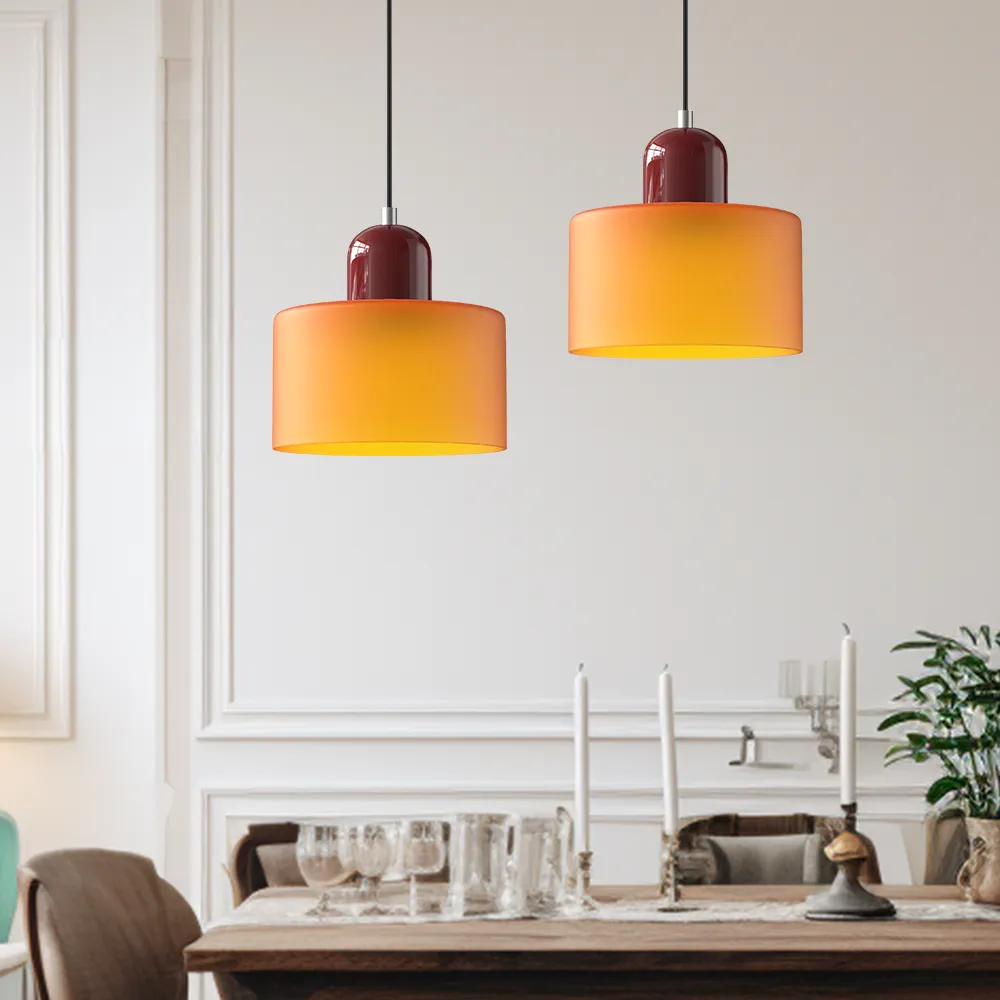
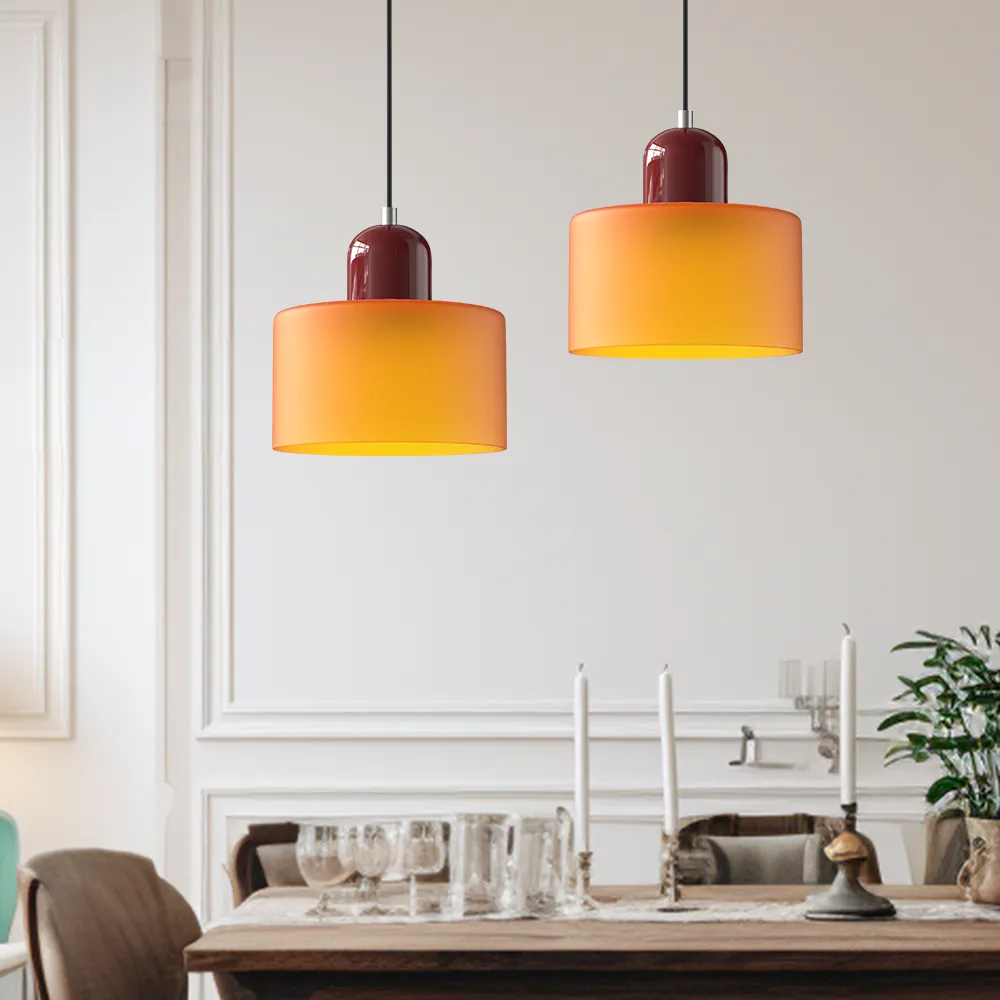
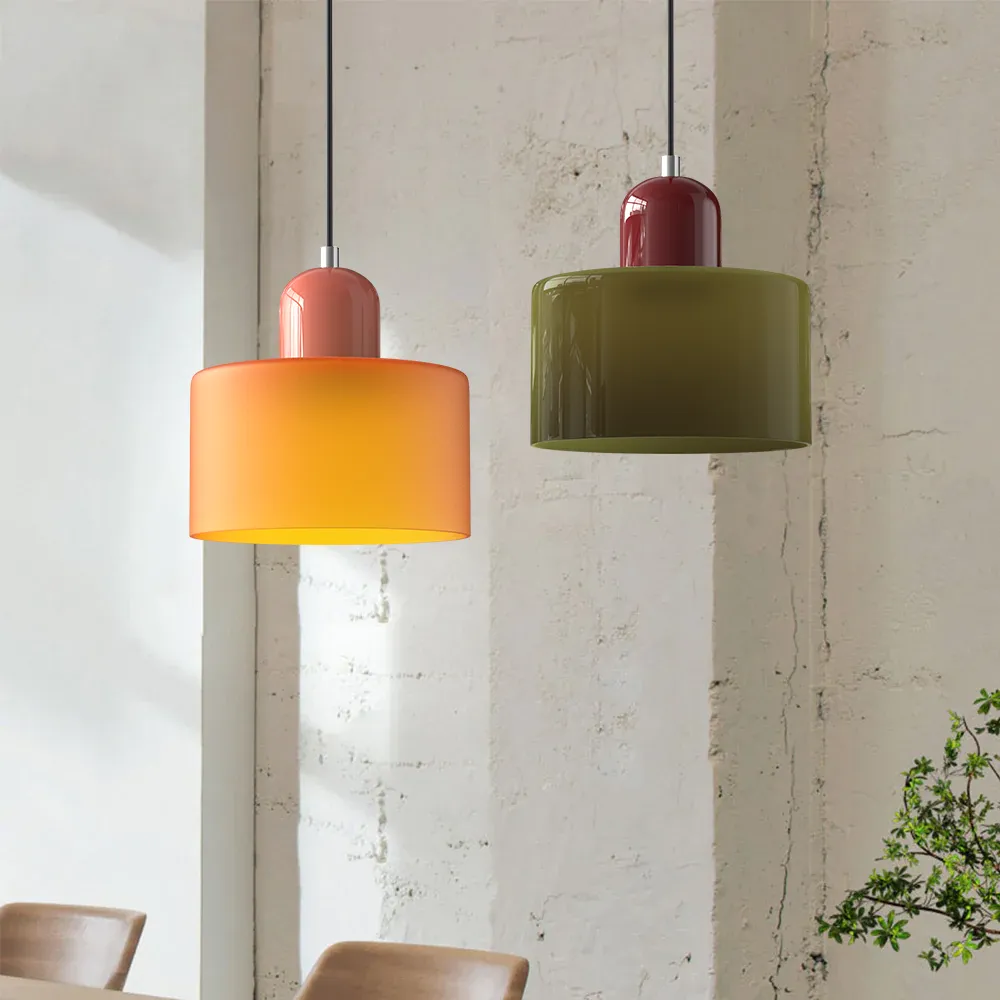
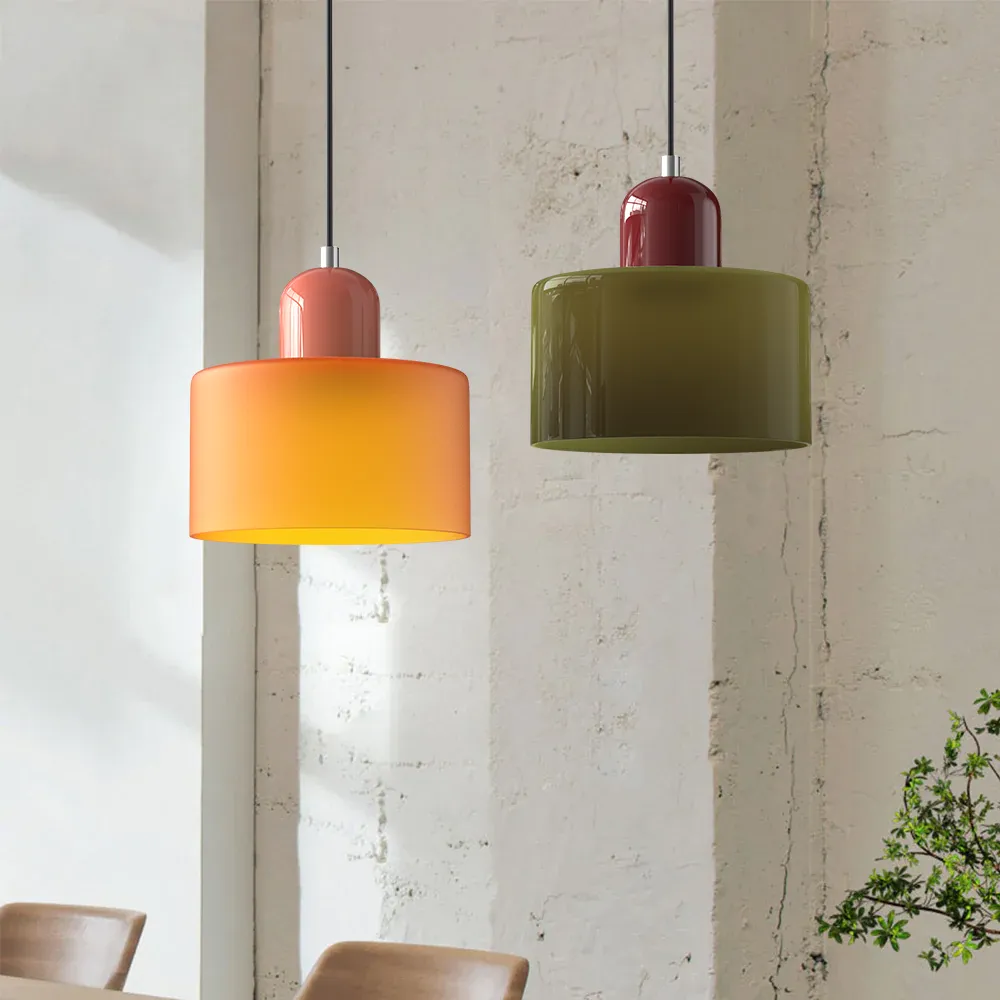
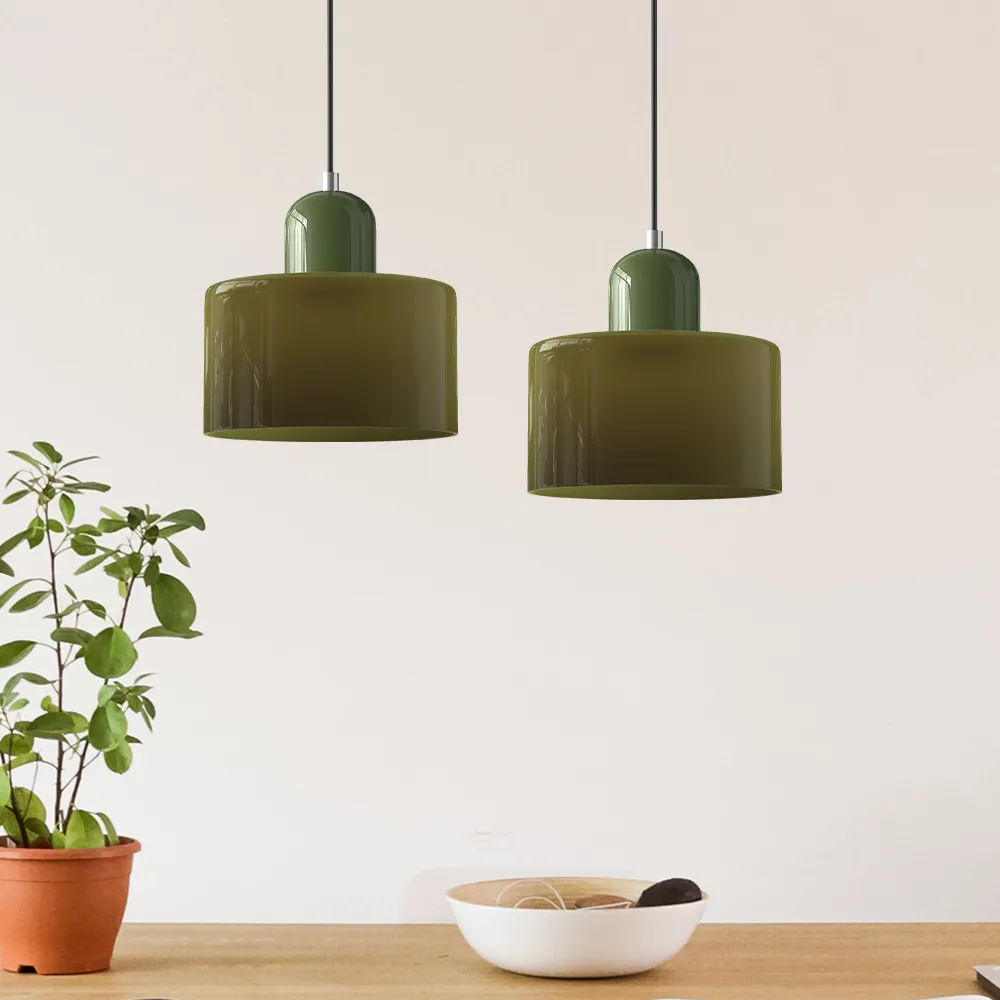
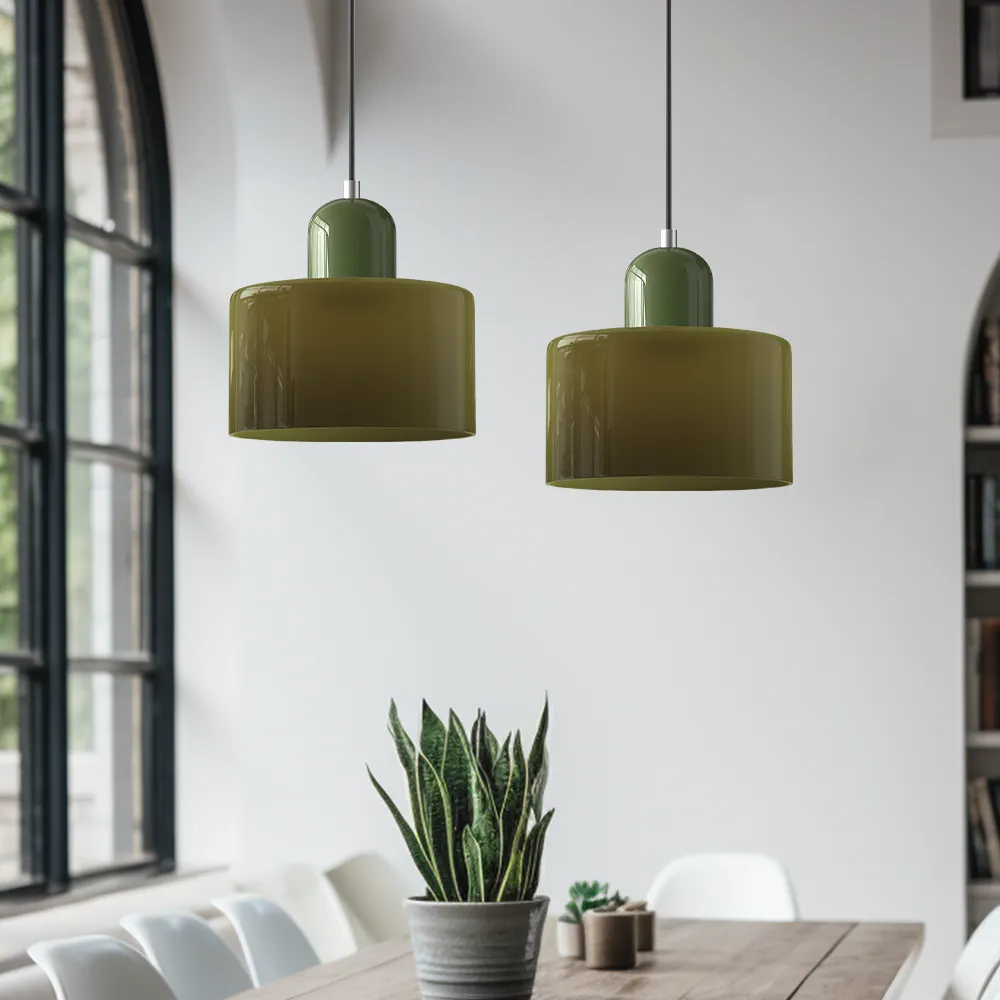
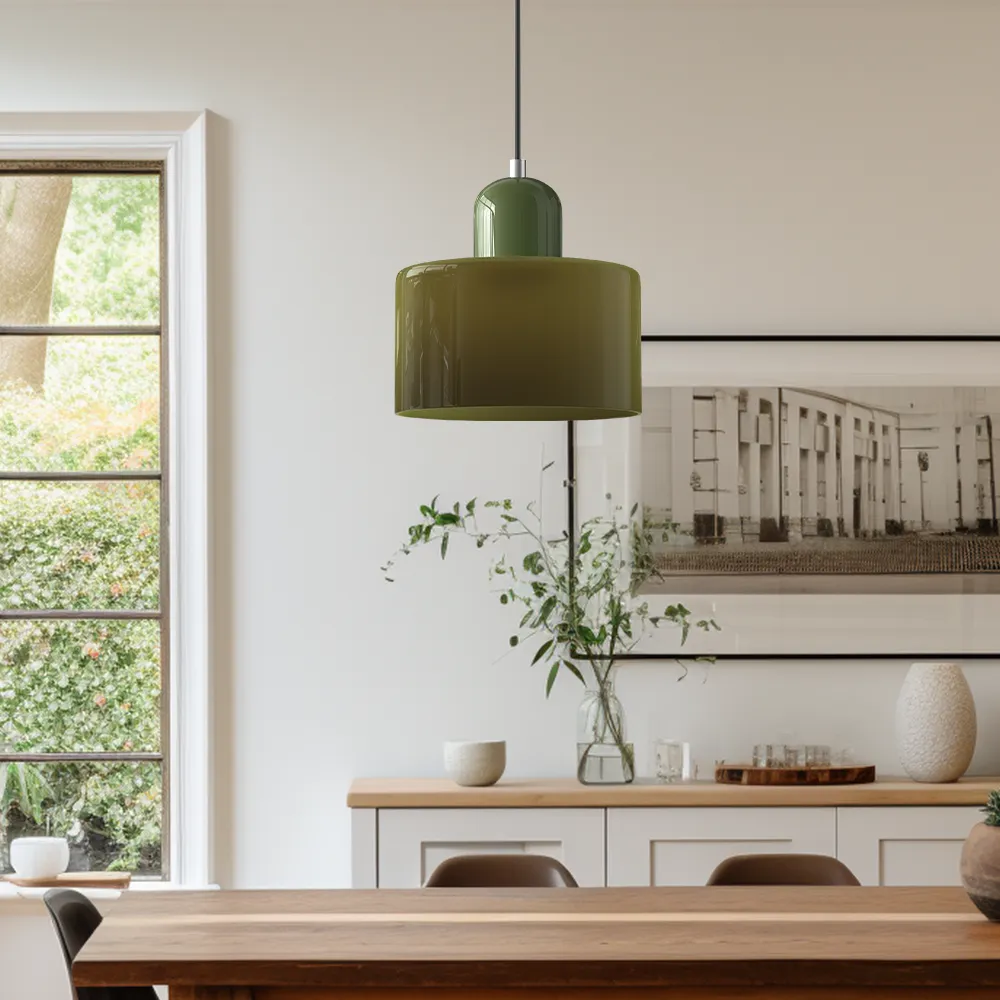
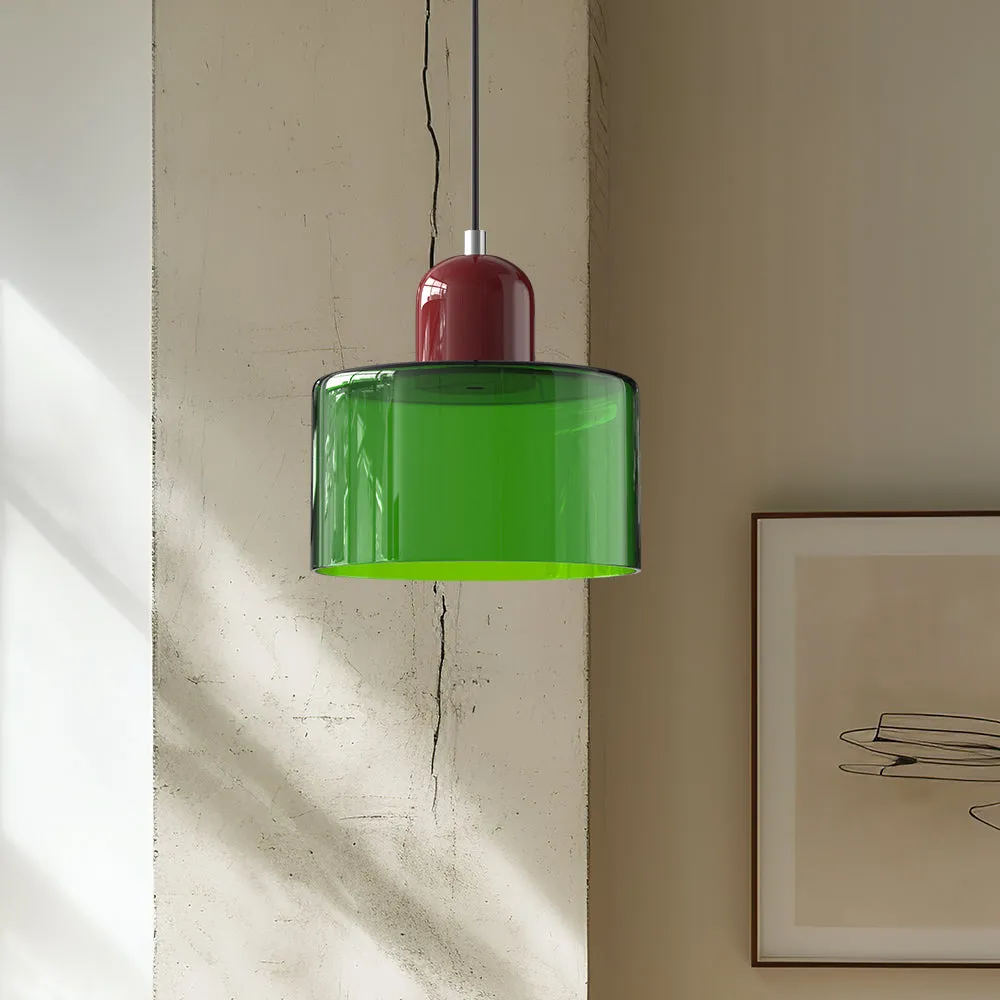
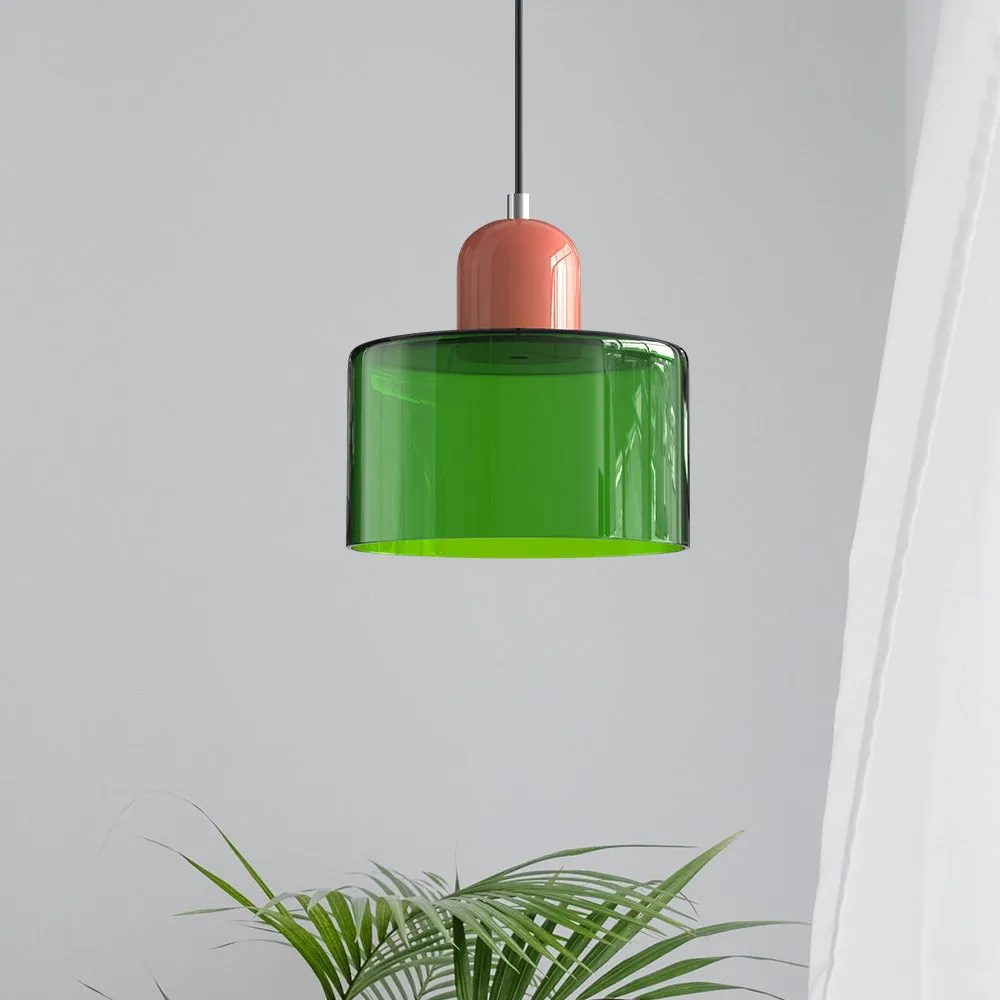
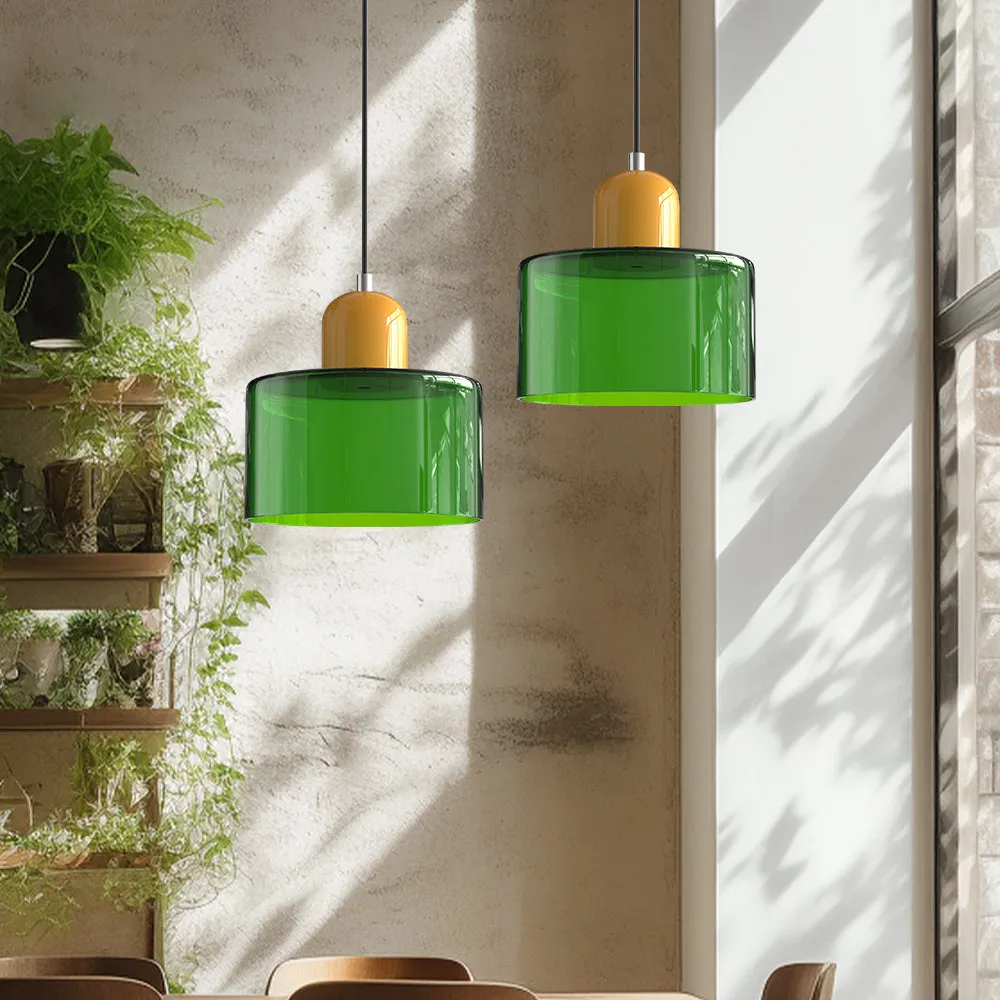
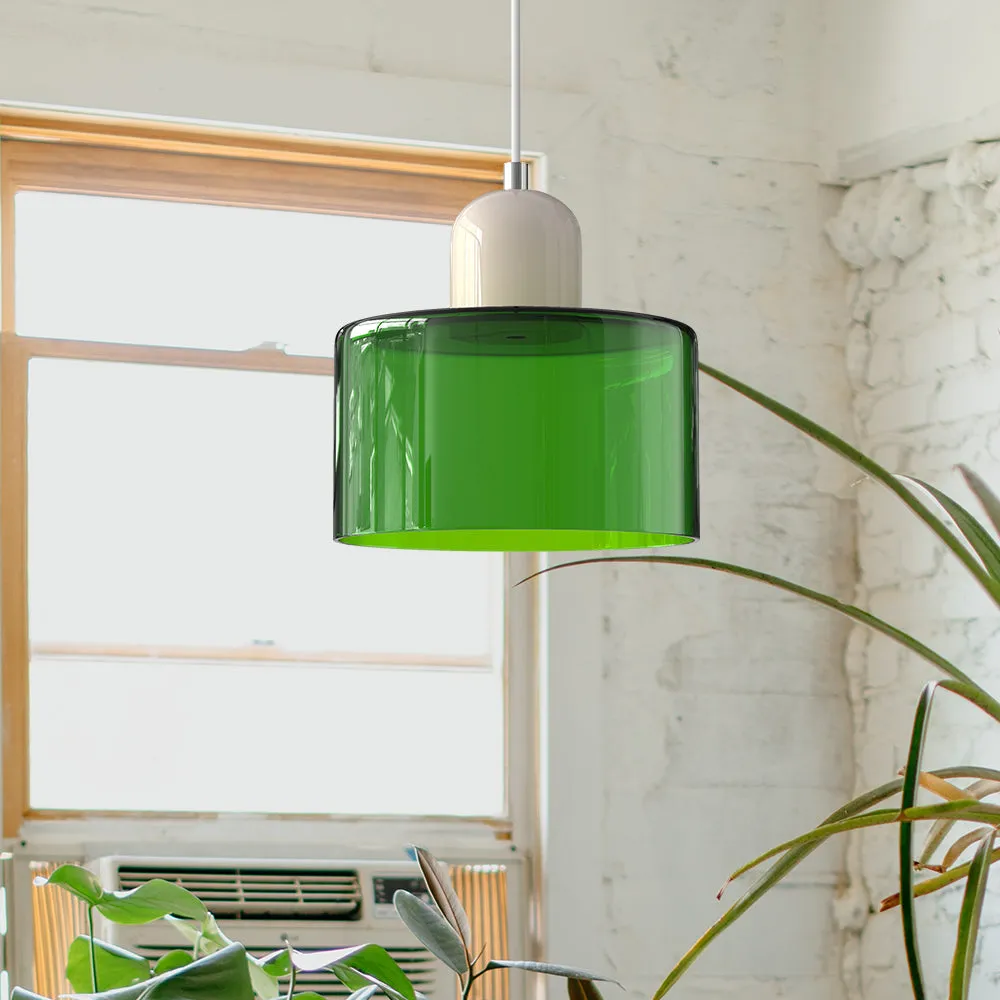
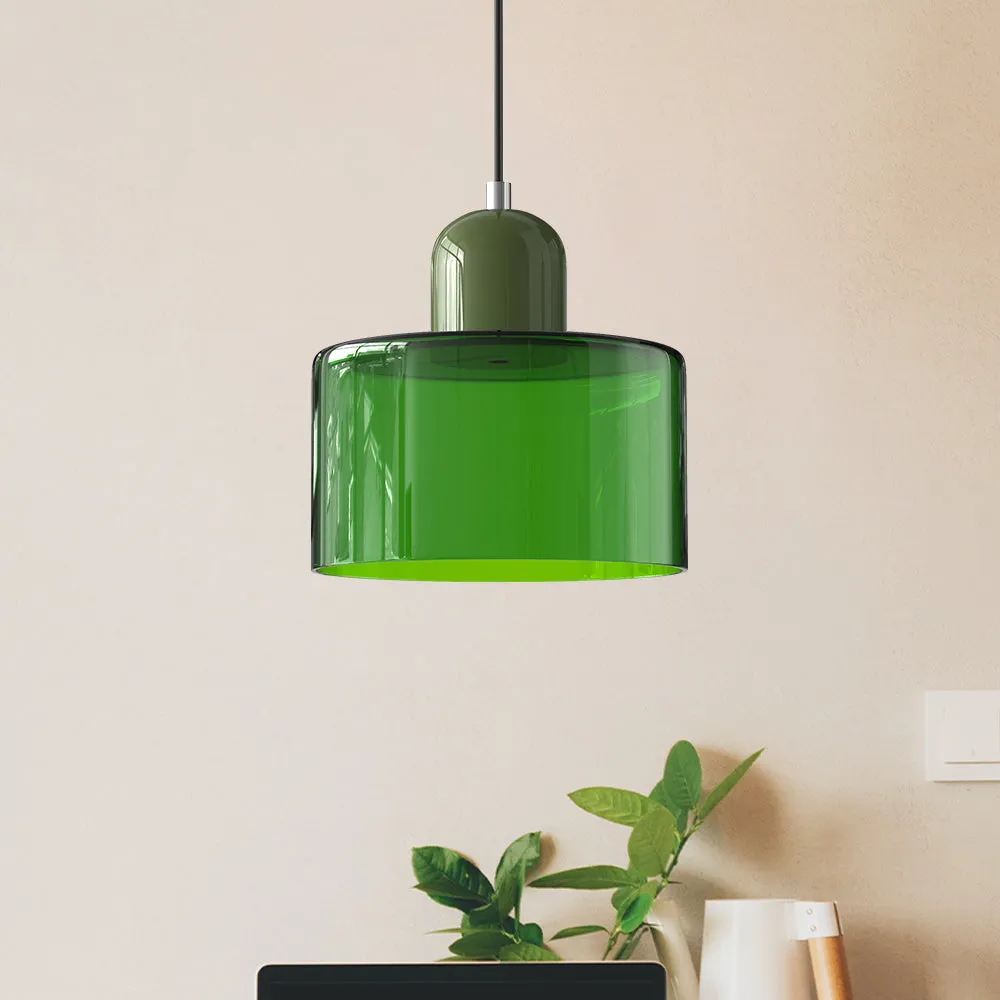
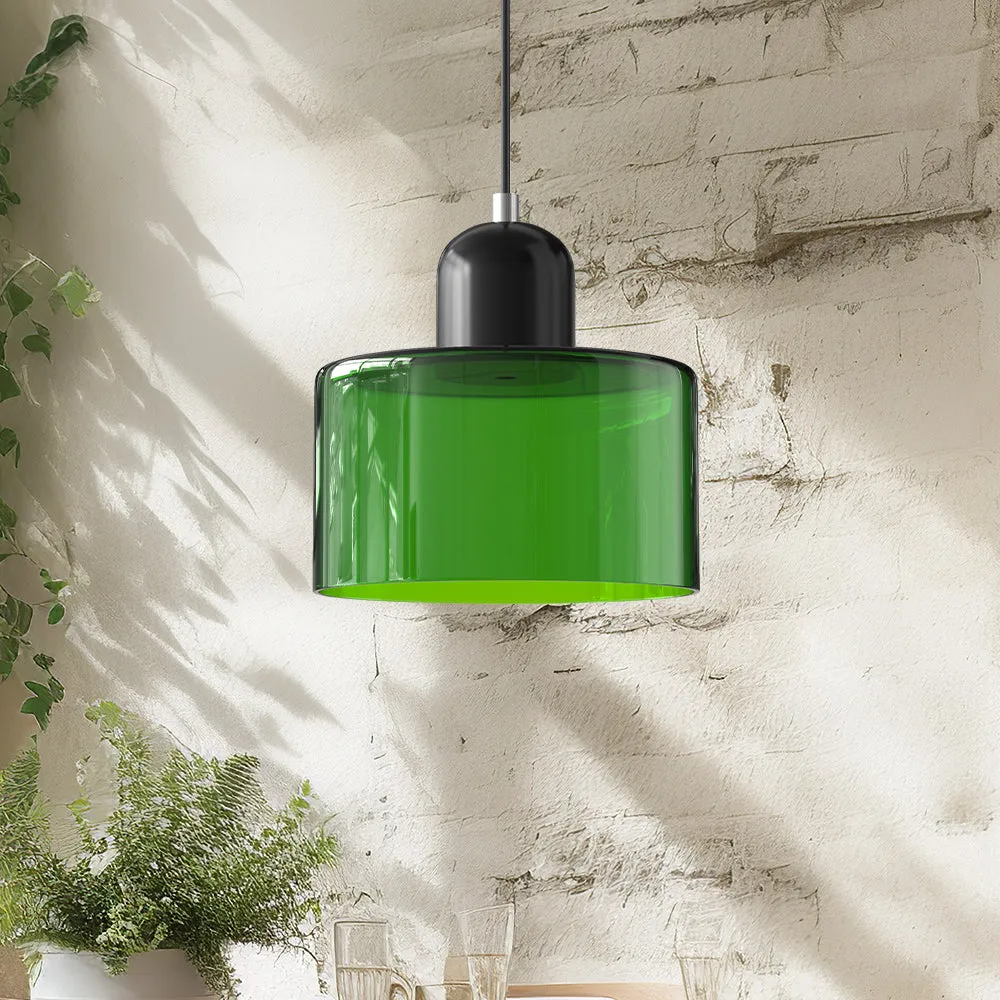
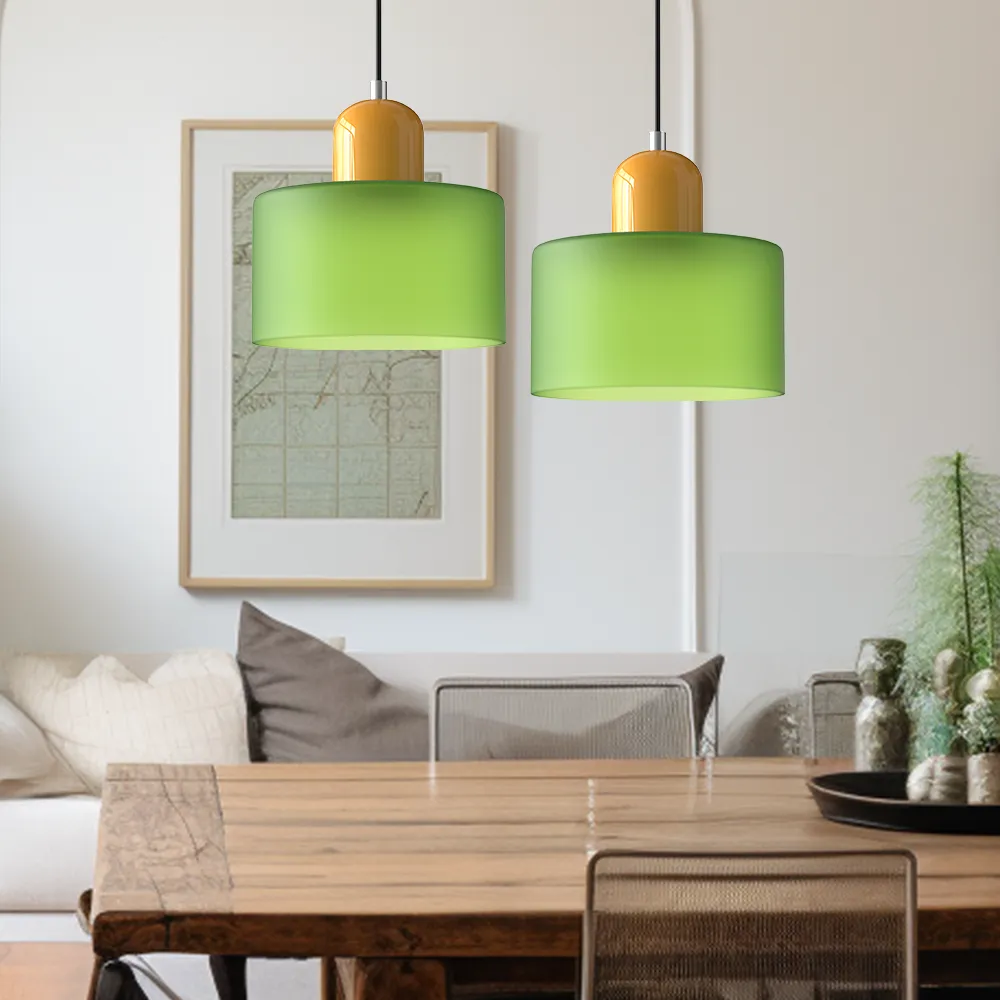
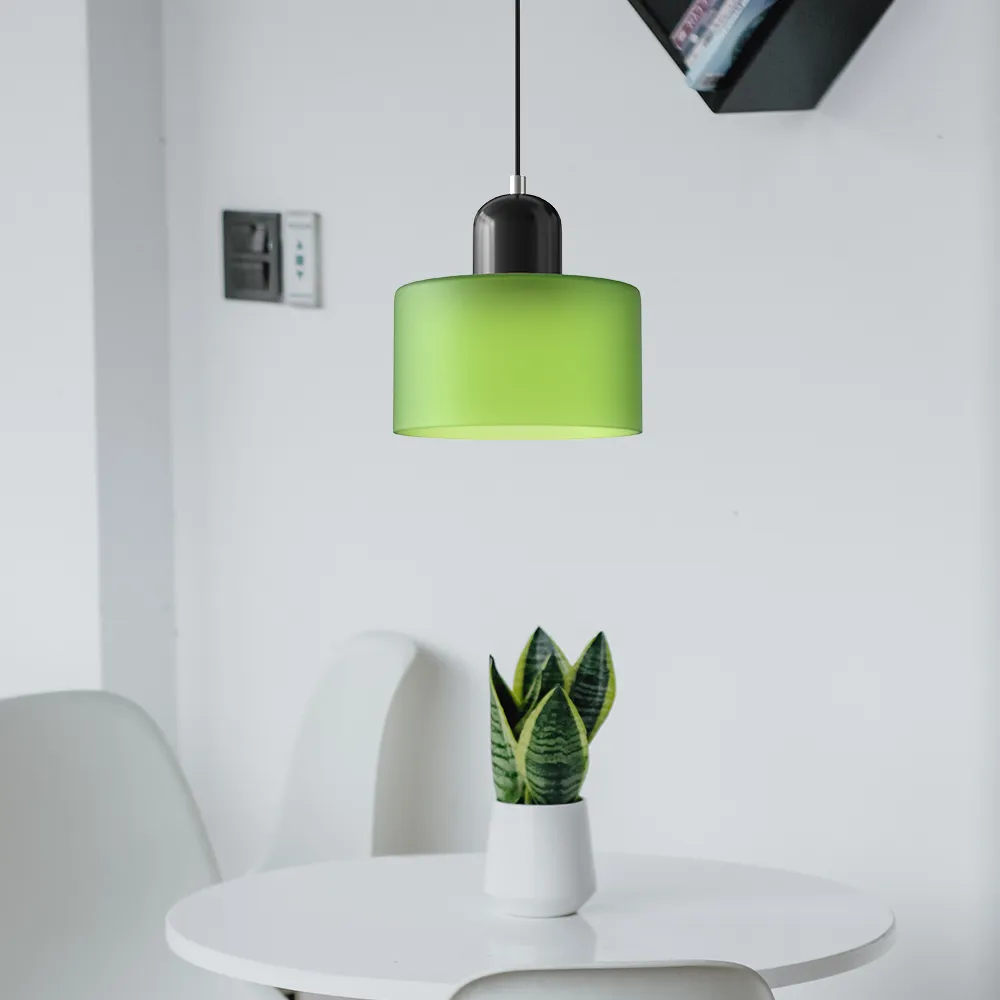
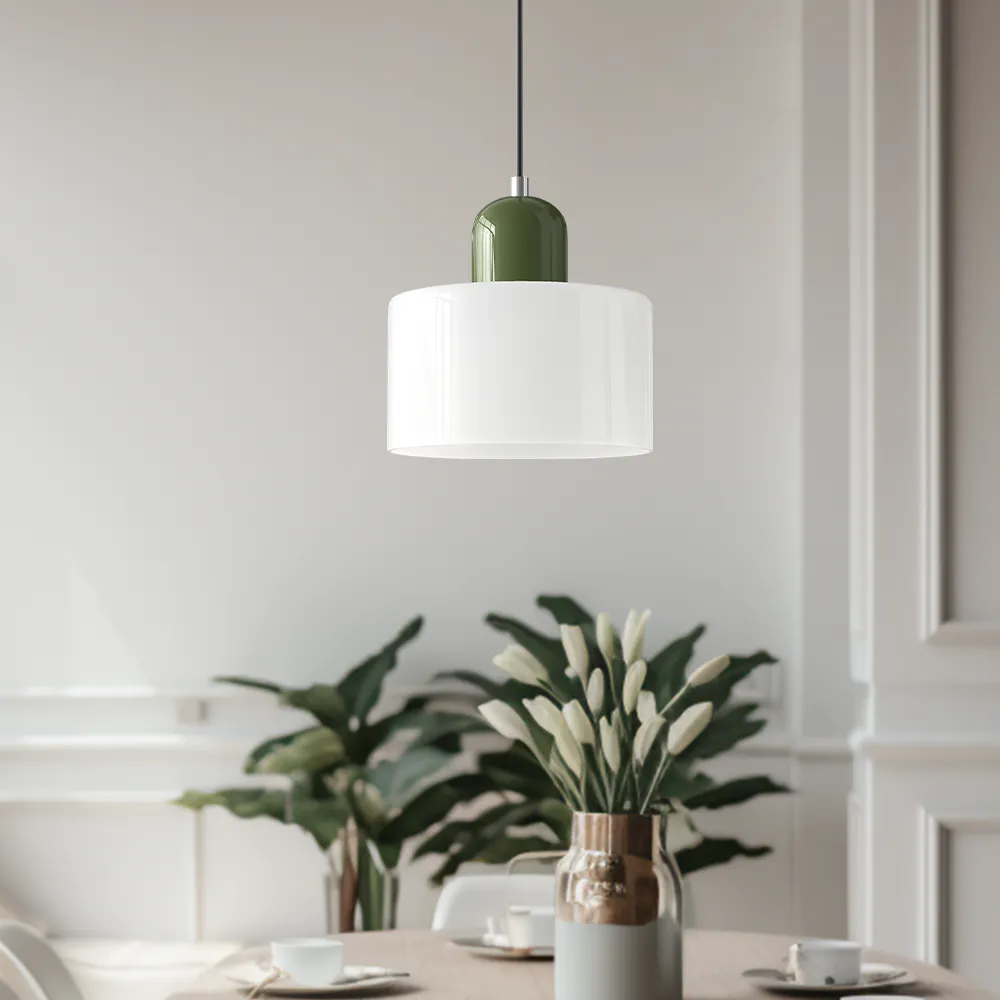
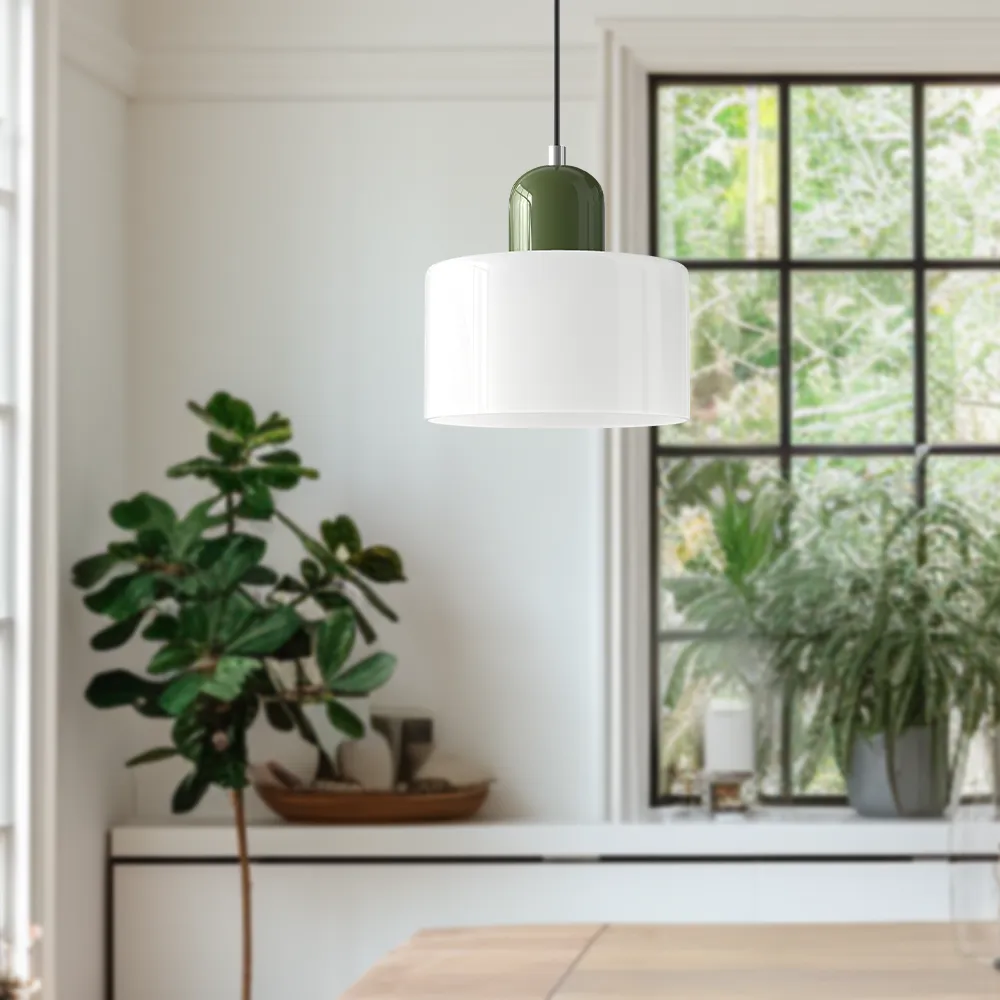
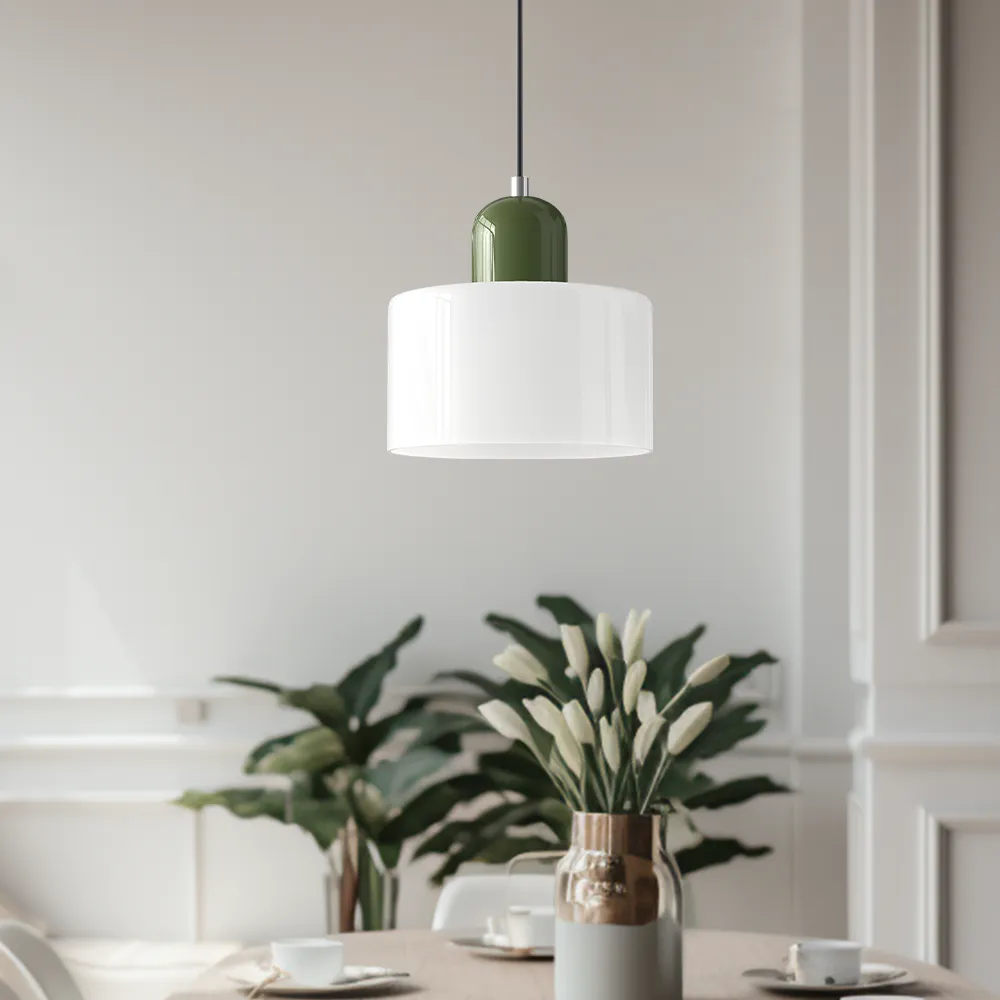
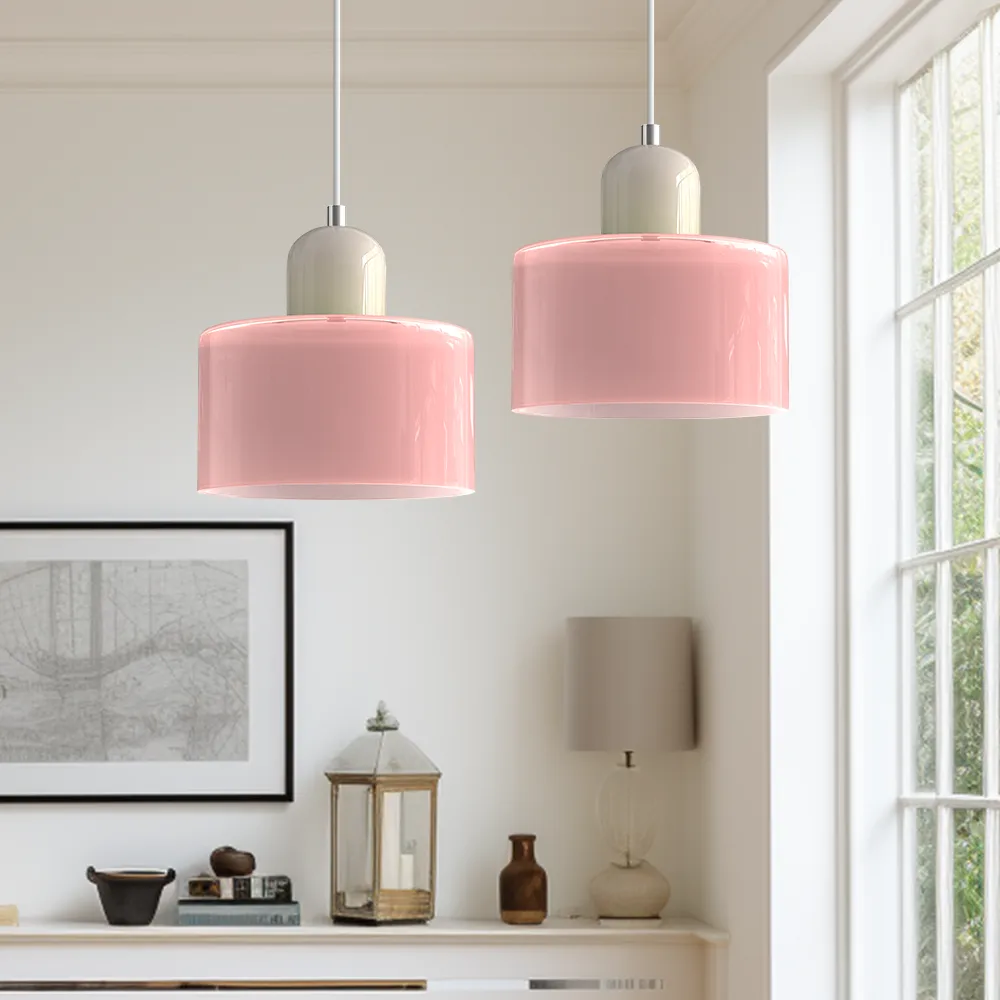
Die Bauhaus Nordic Morandi Zylinder-Glaspendelleuchte ist in den Farben Orange, Grün, Hellgrün, Mattgrün, Weiß und Rosa erhältlich. Diese Farben können mit derselben E27-Glühbirne unterschiedliche Lichtwirkungen erzeugen, jedoch werden auf der Produktseite keine spektralen Transmissionsmessungen veröffentlicht. Korrekterweise sollte die Richtung der Farbänderung erläutert und anschließend getestet werden, anstatt jeder Farbe einen willkürlichen Kelvin-Wert zuzuordnen.
1. Die Nenn-CCT gehört zur Glühbirne.
Die korrelierte Farbtemperatur (CCT) ist die technische Grundlage der bekannten Farbtemperaturangaben 2700 K, 3000 K und 4000 K. Die CIE definiert die korrelierte Farbtemperatur , indem sie die Farbart einer Lichtquelle mit dem nächstgelegenen Punkt auf der Planckschen Kurve vergleicht und sie in Kelvin angibt. Sie beschreibt prägnant, ob eine nominell weiße Lichtquelle wärmer oder kälter erscheint.
Das US-Energieministerium merkt in seiner Erklärung zur LED-Lichtqualität an, dass die Farbtemperatur (CCT) die Farbwiedergabe zwar komprimiert, dabei aber erhebliche Informationen verloren gehen. Zwei Lampen können dieselbe Farbtemperatur aufweisen und sich dennoch in ihrem detaillierten Farbspektrum und der Oberflächenwiedergabe unterscheiden. Dies gilt bereits vor dem Hinzufügen eines Farbfilters.
Wählen Sie anhand der Farbtemperatur (CCT) der Glühbirne das Ausgangsweißlicht. Für einen umfassenderen Vergleich von warmem und neutralem Küchenlicht auf Raumebene konsultieren Sie den vorhandenen Farbtemperaturleitfaden für Küchenbeleuchtung . Die Wahl der Pendelleuchtenschirms ist dann ein weiterer wichtiger Faktor für die Farbauswahl.
2. Farbiges Glas verändert das Licht, das durch den Schatten fällt.
Die CIE definiert einen Farbfilter als selektiven Filter, der die Farbart von Strahlung signifikant verändert. Farbiges Glas platziert daher nicht nur ein dekoratives Objekt neben dem Licht, sondern kann auch das Verhältnis der in den Raum einfallenden Wellenlängen verändern.
Ein orangefarbener Schirm erzeugt im Allgemeinen einen wärmeren Farbeindruck, während grünes oder rosafarbenes Glas neutralweißes Licht in Richtung des eigenen Farbtons lenken kann. Die Stärke dieses Effekts hängt von Pigmentierung, Dicke, Fertigungstoleranzen, Lichtspektrum der Glühbirne und Betrachtungsrichtung ab. Ein heller Schirm kann einen leichten Farbstich erzeugen; ein selektiverer Schirm kann das Ergebnis deutlich farbig erscheinen lassen. Ohne Messdaten lässt sich keiner dieser Effekte in eine präzise Kelvin-Änderung umrechnen. 
Vergleichen Sie die Glasoptionen von Morandi, indem Sie zwei separate Fragen stellen: Welche Schirmfarbe passt zur Küche, wenn sie unbeleuchtet ist, und welche Glühbirne-Schirm-Kombination erzeugt nach Einbruch der Dunkelheit ein akzeptables Licht?
3. Warum das Ergebnis möglicherweise kein sinnvolles „neues Kelvin“ liefert
Die Farbtemperaturkurve (CCT) eignet sich am besten für Licht, dessen Farbton dem durch den Planckschen Koordinatensystem dargestellten Weißtonbereich möglichst nahe kommt. Der CIE-Eintrag warnt ausdrücklich davor, dieses Konzept anzuwenden, wenn die Farbart der Testquelle zu stark vom nächstgelegenen Planckschen Strahler abweicht. Stark grünes, rosa oder oranges Licht kann vom Weißtonpfad abweichen.
Das bedeutet, dass die Aussage „3000 K werden hinter orangefarbenem Glas zu 2700 K“ nicht allgemeingültig ist. Das Licht mag wärmer wirken, doch die Veränderung kann auch eine Farbsättigung beinhalten, die sich nicht durch einen einzelnen Wert von warm nach kalt beschreiben lässt. Ebenso macht grünes Glas die Glühbirne nicht einfach nur „kälter“. Es kann einen Grünstich erzeugen, anstatt die Farbtemperatur (CCT) direkt anzuheben.
Hilfreiche Formulierung: Geben Sie an, dass der Lampenschirm die Farbart oder die wahrgenommene Farbe des durchgelassenen Lichts verändert. Vermeiden Sie es, eine neue Farbtemperatur (CCT) anzugeben, es sei denn, die fertige Lampen-Schirm-Kombination wurde tatsächlich gemessen und liegt weiterhin innerhalb des gültigen CCT-Bereichs.
4. Farbtemperatur (CCT), Farbwiedergabeindex (CRI) und Helligkeit getrennt halten
Eine Glühbirne mit hohem Farbwiedergabeindex (CRI) ist nach wie vor ein sinnvoller Ausgangspunkt, wenn es auf die korrekte Farbwiedergabe von Speisen und Oberflächen ankommt. Sie kann keine Wellenlängen durch ein farbiges Material pressen, das diese selektiv filtert, und hebt daher die Farbe des Lichts nicht auf. Das Endergebnis hängt von beiden Komponenten sowie von anderen Lichtquellen in der Küche ab. 
5. Verwenden Sie die Farbsättigung als Gestaltungsmittel, nicht als Kalibrierungsinstrument.
| Schattenrichtung | Wahrscheinliche visuelle Rolle | Was ist zu überprüfen? |
|---|---|---|
| Orange | Warmer Akzent und stärkerer Bernsteineindruck | Ob Lebensmittel, weißer Stein und nahegelegene Farbe zu warm werden |
| Grün oder Hellgrün | Ein kühler botanischer Akzent anstelle einer einfachen Farbtonverschiebung | Ob Hauttöne und neutrale Oberflächen einen unerwünschten Farbstich annehmen |
| Rosa | Sanfte, dekorative Farbe mit rosiger Tendenz | Wie sich der Effekt bei Nutzung am Tag und am Abend verändert |
| Weiß | Ruhigeres Erscheinungsbild mit weniger gewollter Farbgebung | Ob die Lampe sichtbar bleibt oder einen hellen Punkt erzeugt |
| Frostgrün | Grünfilterung plus ein stärker verstreutes Quellbild | Sowohl Farbstich als auch Quellabdeckung mit der gewählten Glühbirne |
Dies sind Auswahlkriterien, keine Messergebnisse. Mundgeblasenes Glas kann variieren, und auf der Produktseite wird darauf hingewiesen, dass Farb- und Maßabweichungen unvermeidbar sind. Wählen Sie eine Gruppe akzeptabler Ergebnisse, anstatt zu versuchen, ein exaktes digitales Farbmuster nachzubilden.
Bevor Sie sich für eine Lampenschirm-/Fassungskombination entscheiden, prüfen Sie die aktuellen Morandi-Varianten und Produktinformationen . Notieren Sie die ausgewählte Kombination zusammen mit den genauen Leuchtmittelspezifikationen in Ihrem Einkaufsplan.
6. Testen Sie die Glühbirne und den Lampenschirm gemeinsam.
- Wählen Sie eine E27-Glühbirne, die physisch passt, innerhalb des maximalen Leistungsbereichs von 40 W der Leuchte liegt und eine geeignete Lichtstromstärke (Lumen) aufweist.
- Betrachten Sie den unbeleuchteten Lampenschirm bei Tageslicht vor den festen Oberflächen der Küche.
- Nach Einbruch der Dunkelheit kann man von jedem Hocker aus den beleuchteten Lampenschirm, die Vorbereitungsposition und den angrenzenden Raum betrachten.
- Halten Sie weiße, hölzerne, steinerne und farbenfrohe Lebensmitteloberflächen unter das Licht und prüfen Sie, ob ein unerwünschter Farbstich vorliegt.
- Vergleichen Sie die Kombination mit den anderen eingeschalteten Küchenleuchten, da gemischte Lichtquellen die Anpassung und die Farbwahrnehmung beeinflussen.
Verwenden Sie nicht die Handykamera als alleiniges Beurteilungskriterium. Der automatische Weißabgleich kann einen Farbstich neutralisieren oder verstärken, der mit bloßem Auge erkennbar ist. Fotos eignen sich zwar zum Vergleich der Bildkomposition, doch die Entscheidung über Wohlfühlen und Farbakzeptanz sollte letztendlich auf direkter Beobachtung beruhen. 
Endgültige Antwort
Farbiges Glas ändert nicht die Kelvin-Angabe der Glühbirne. Es verändert das Licht, das in den Raum gelangt, manchmal auf eine Weise, die sich durch eine neue Farbtemperatur (CCT) nicht genau beschreiben lässt. Beginnen Sie mit der gewünschten Farbtemperatur und Farbwiedergabe der Glühbirne und beurteilen Sie dann den Lampenschirm als Filter. Die Kombination aus beidem, nicht die einzelnen Werte, bestimmt das endgültige Licht in Ihrer Küche.
Wenn dieser kombinierte Test Ihre gewählte Farbe bestätigt, überprüfen Sie vor der Bestellung die E27-Fassung, die 40-Watt-Grenze, die Schirmfarbe und die mundgeblasene Variation der Morandi-Lampe .
Häufig gestellte Fragen
Verändert orangefarbenes Glas die Lichtfarbe einer 3000K-Glühbirne in eine 2700K-Glühbirne?
Nicht nach einer vorhersehbaren Regel. Es mag wärmer wirken, aber es kann auch eine Farbverschiebung hervorrufen, die sich nicht durch einen einzigen Kelvin-Wert beschreiben lässt.
Lässt grünes Glas eine warme Glühbirne kühl wirken?
Es kann einen Grünstich anstelle einer einfachen Weißverschiebung erzeugen. Testen Sie die tatsächliche Kombination auf neutralen und farbigen Oberflächen.
Verhindert eine Glühbirne mit hohem Farbwiedergabeindex (CRI) Farbveränderungen durch einen Lampenschirm?
Nein. Ein hoher CRI-Wert beschreibt die Farbwiedergabe der Quelle; farbiges Glas kann deren Ausgabe dennoch selektiv filtern.
Soll ich zuerst die Glühbirne oder das Glas auswählen?
Wählen Sie eine geeignete Weißlicht-Ausgangstemperatur und testen Sie diese anschließend mit dem gewünschten Farbton. Treffen Sie dann die endgültige Entscheidung für das Paar.
Welche Lampenfassung verwendet Morandi?
Es benötigt eine E27-Glühbirne (nicht im Lieferumfang enthalten) mit einer maximalen Leistung von 40 W.