Guida all'installazione
Risposta rapida: inizia con il bordo inferiore del paralume a 30-36 pollici (76-91 cm) sopra il piano di lavoro. Misura fino al punto visibile più basso, non fino al coprifilo e non fino all'estremità del cavo. Poi siediti su ogni sgabello, mettiti in piedi nella zona di preparazione e regola l'altezza finché l'apparecchio illumina l'isola senza interrompere la linea di visuale attraverso l'ambiente.
L'altezza delle lampade a sospensione viene spesso descritta come una misura dal soffitto, ed è per questo che le installazioni finiscono inaspettatamente troppo basse o troppo alte. Il riferimento utile è la superficie su cui lavori: il piano di lavoro finito. Una volta fissato questo riferimento, il resto è una semplice sottrazione. Scegli un'altezza confortevole per il bordo inferiore del paralume, considera il corpo dell'apparecchio e lascia la distanza rimanente al cavo o allo stelo rigido.
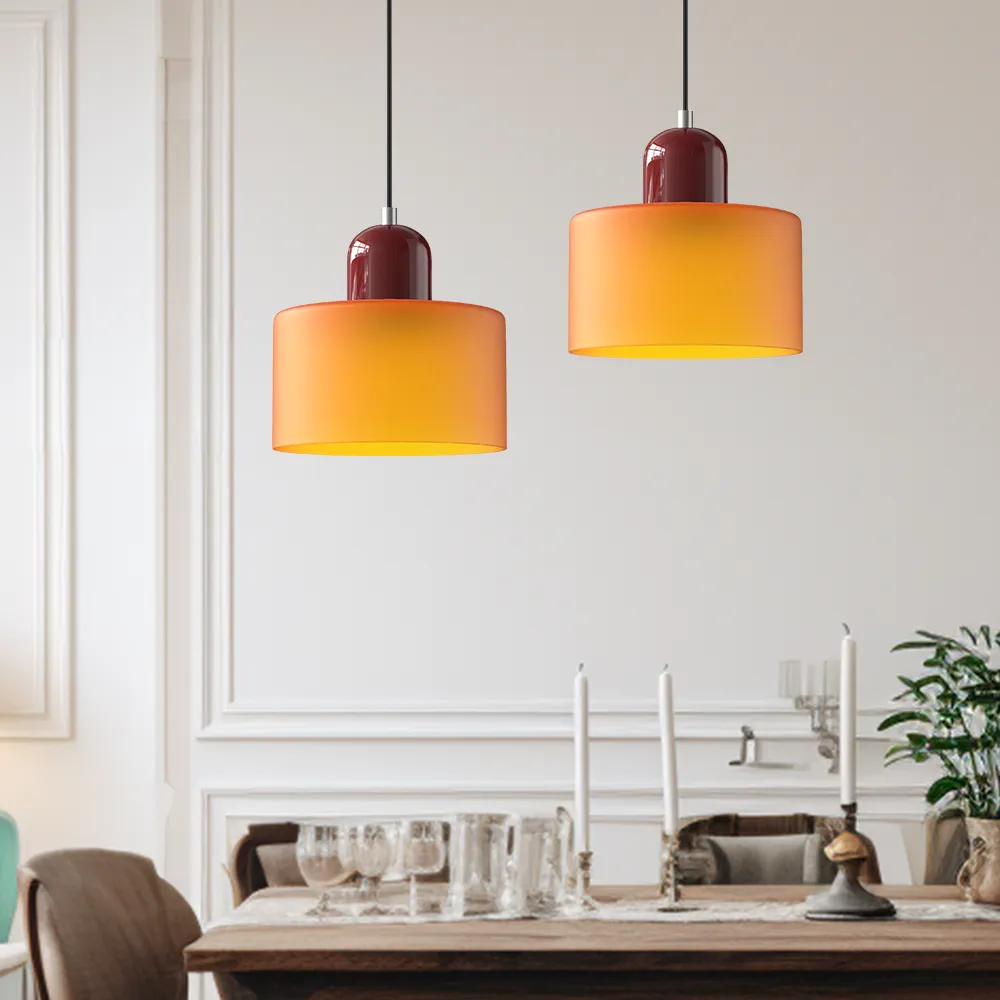
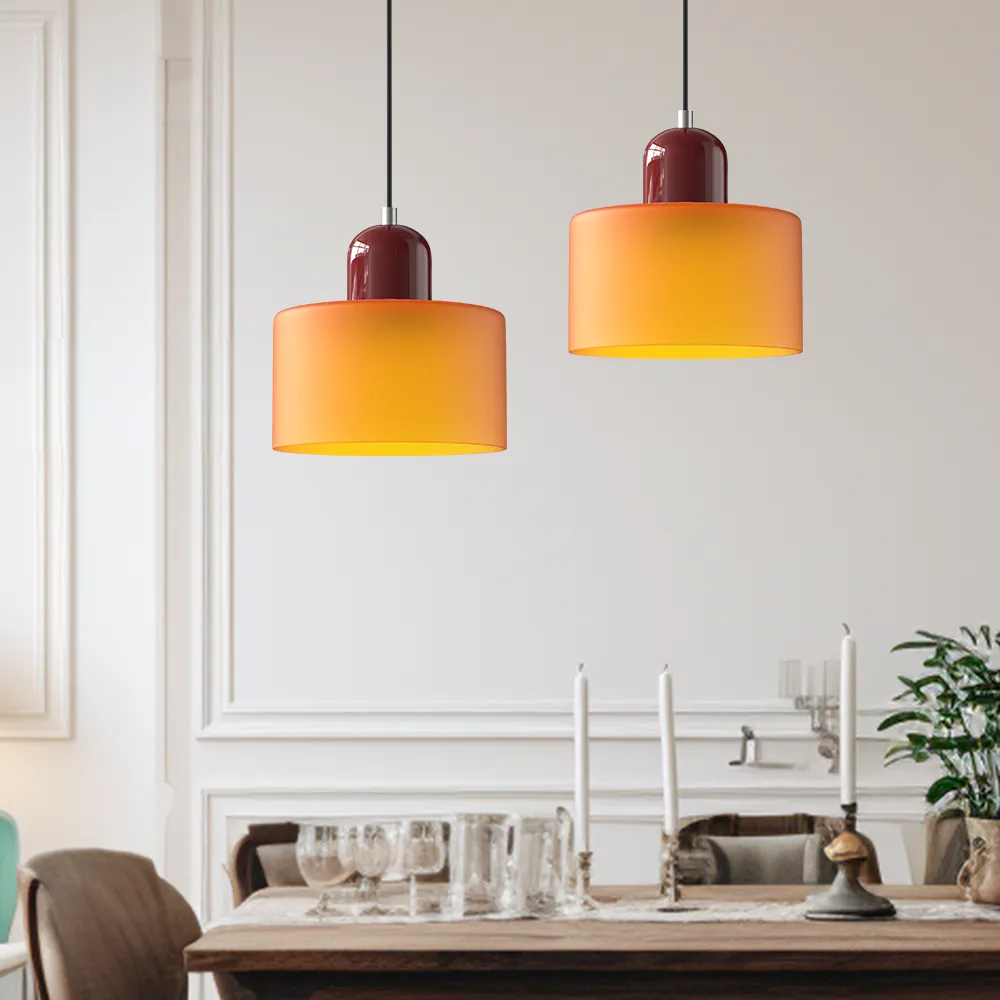
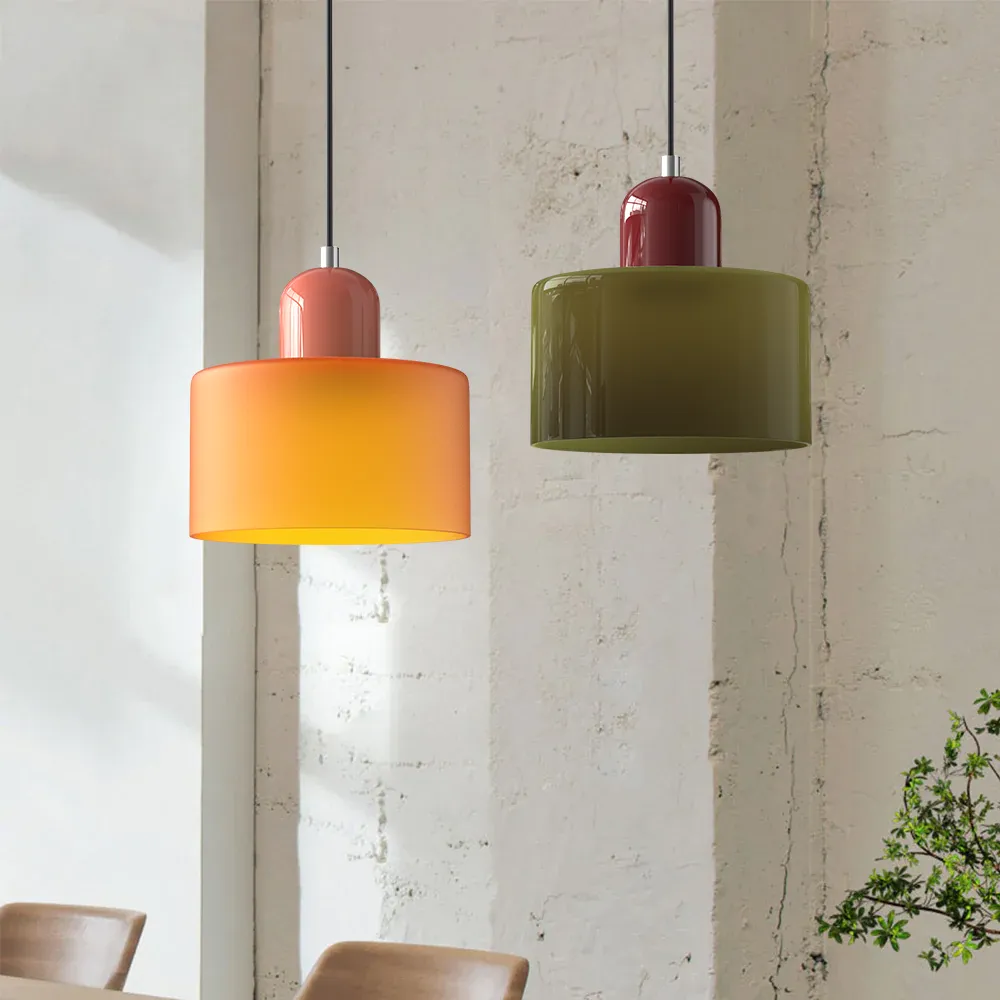
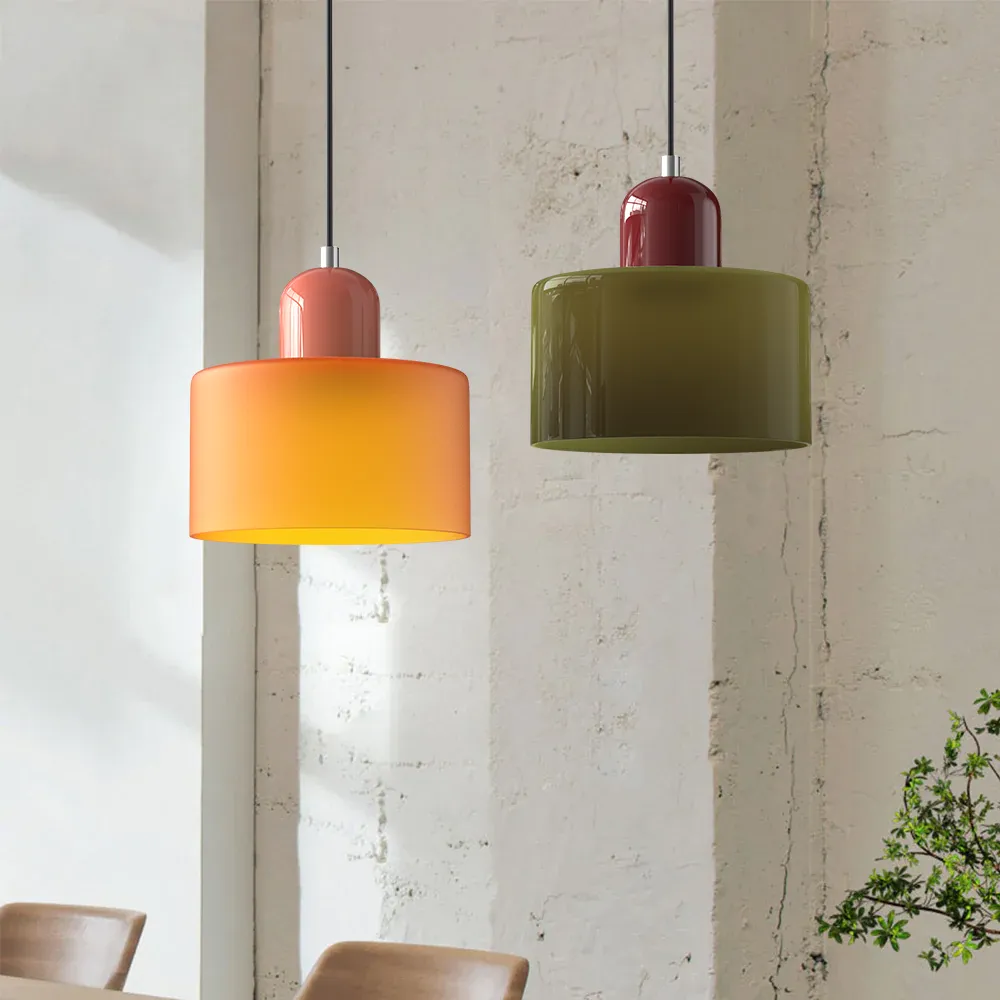
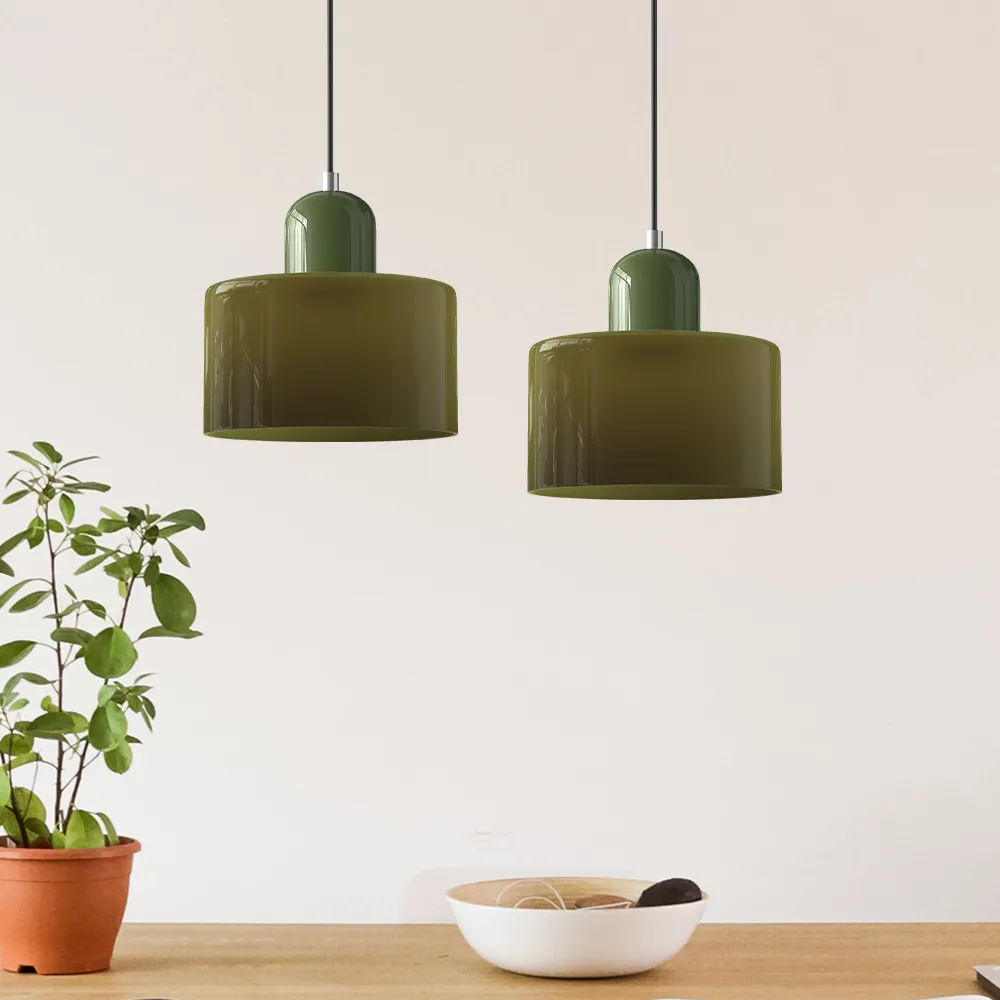
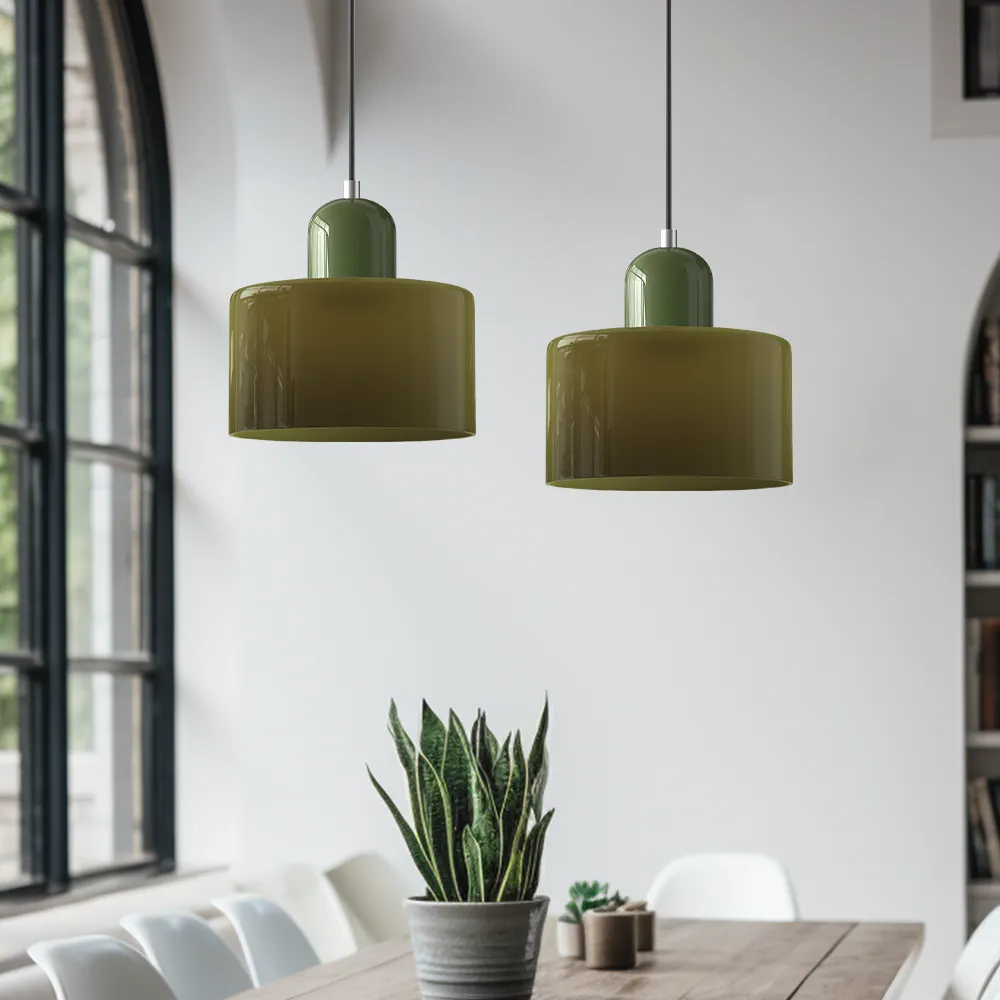
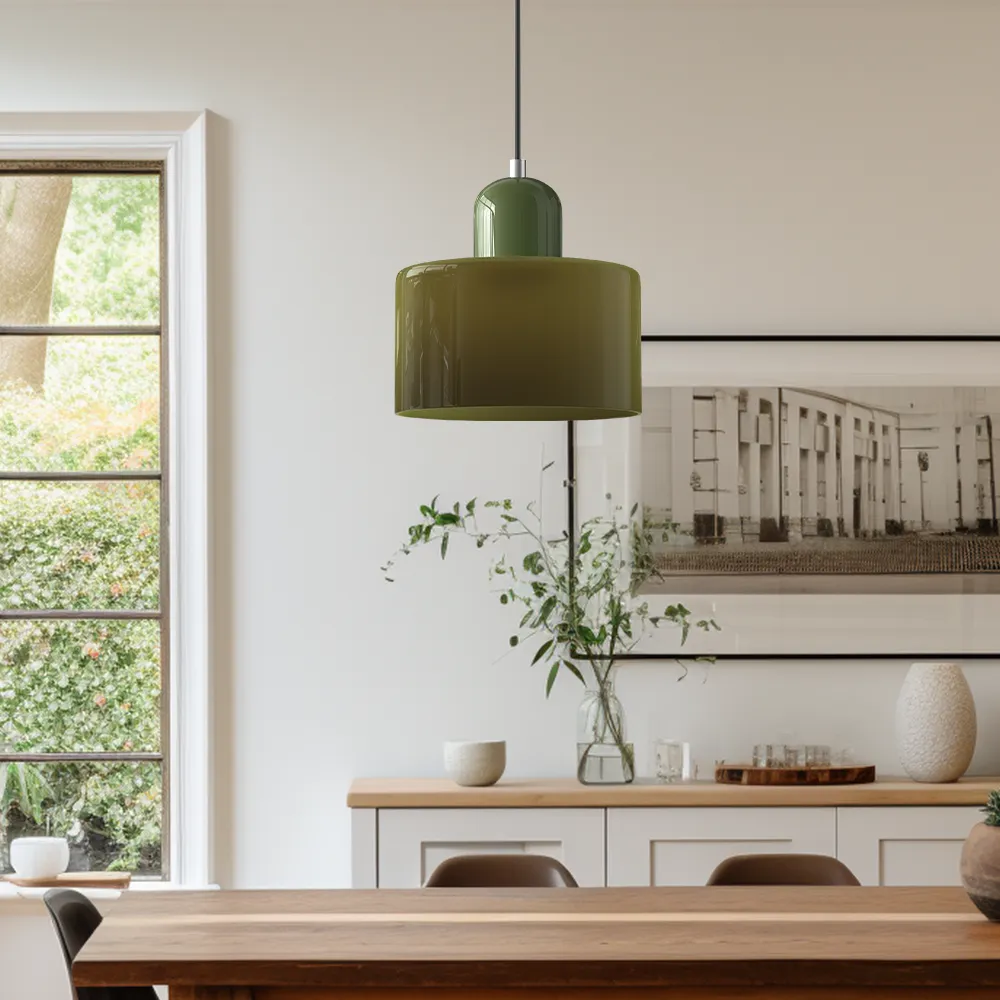
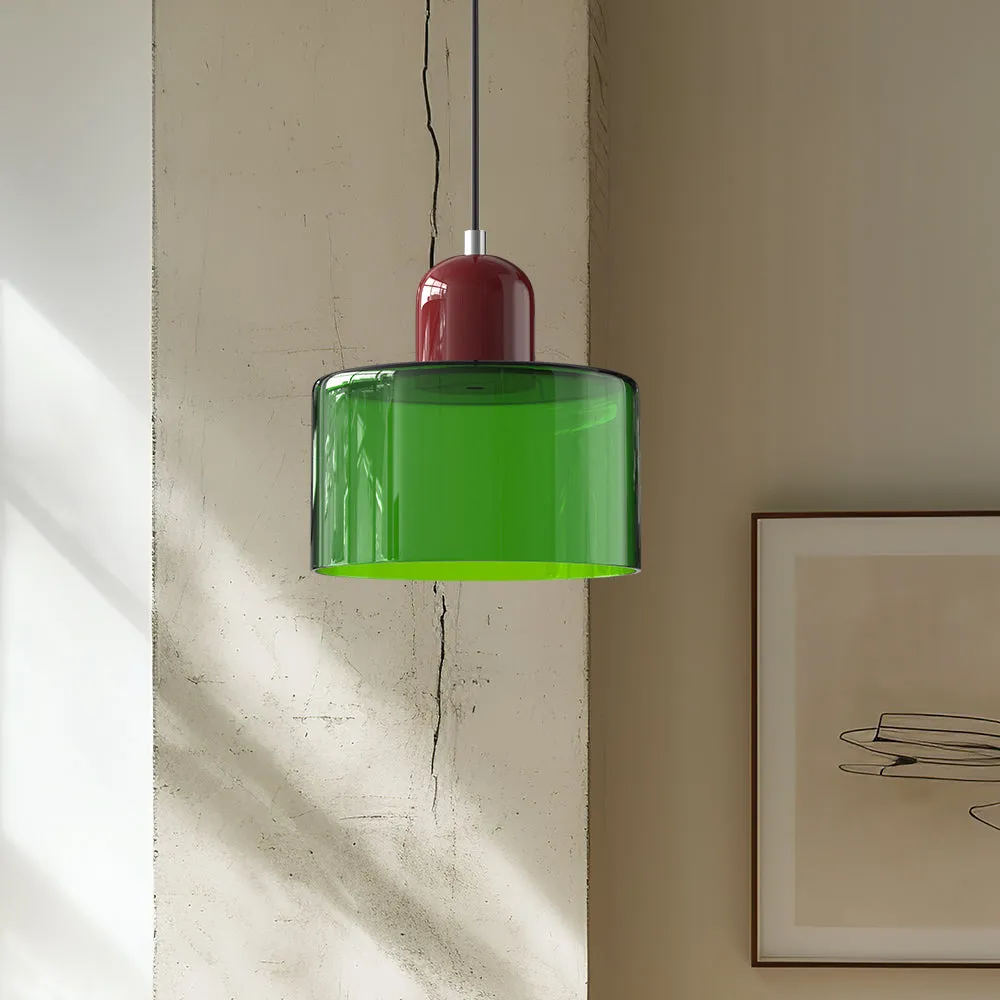
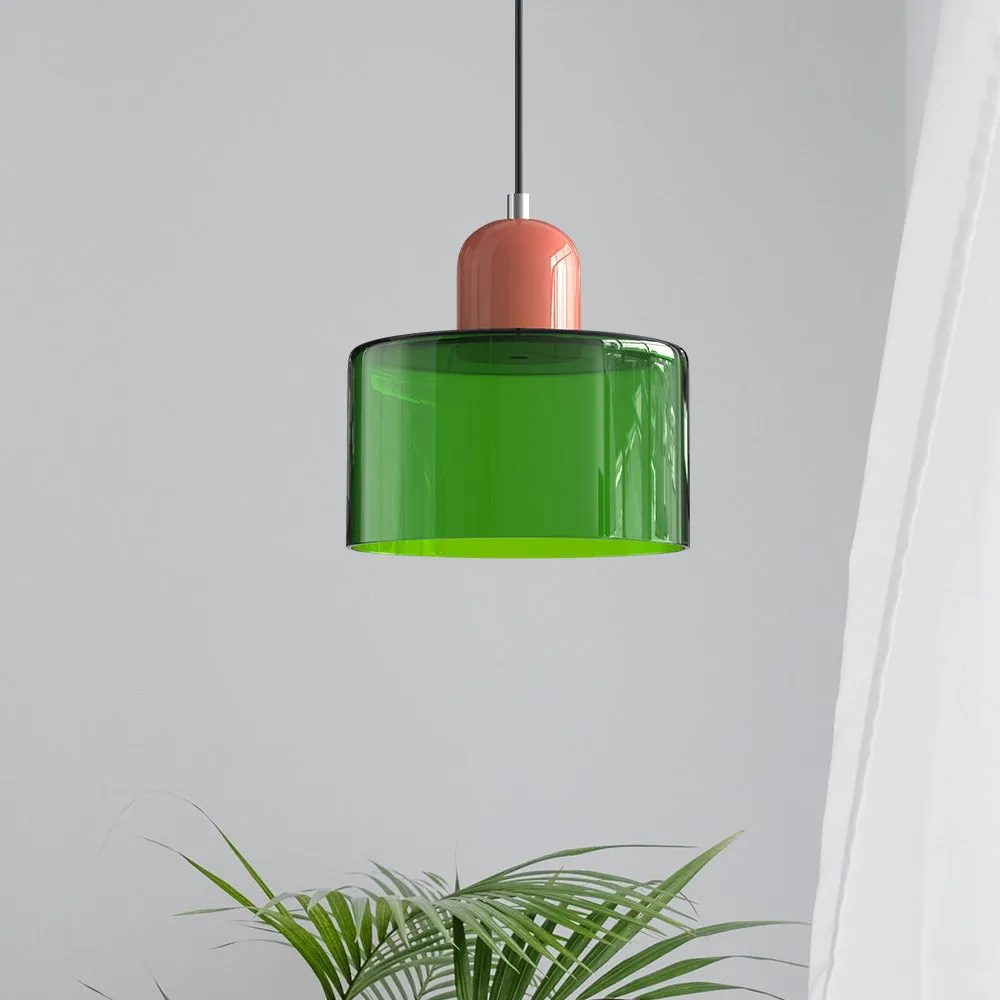
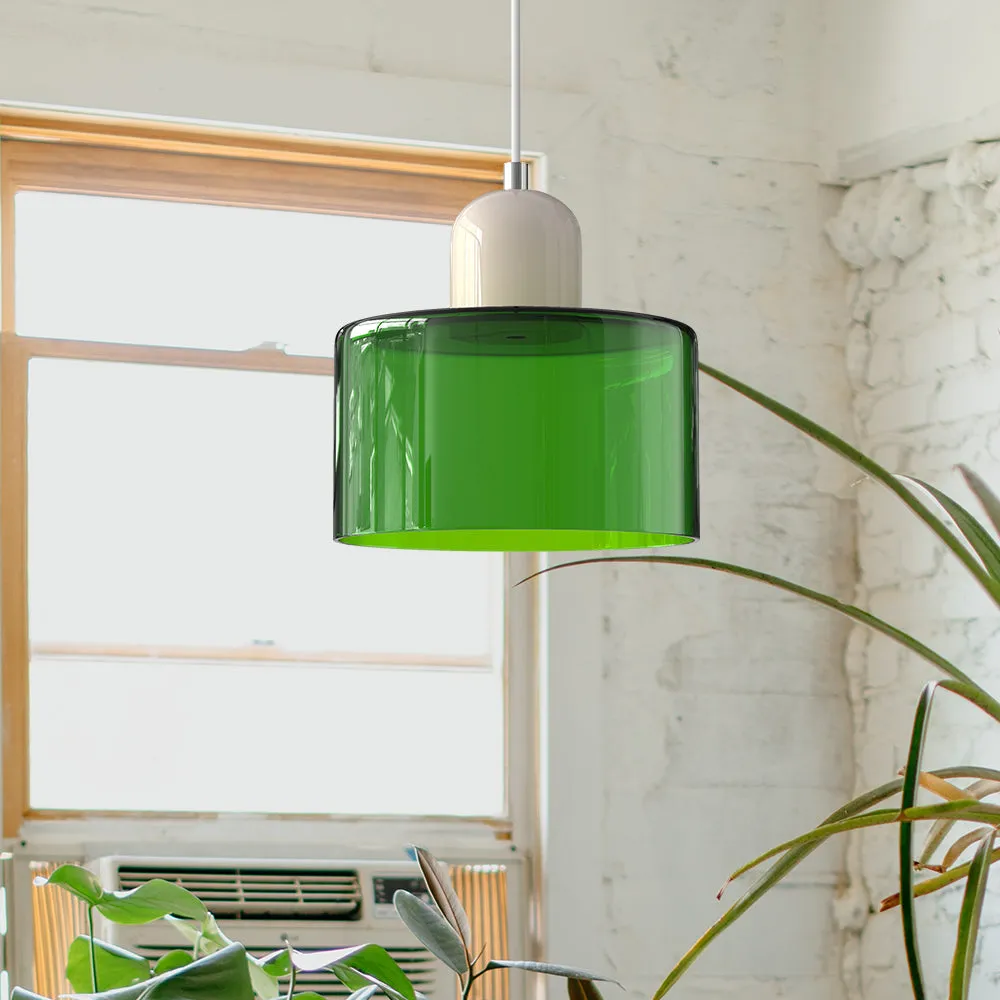
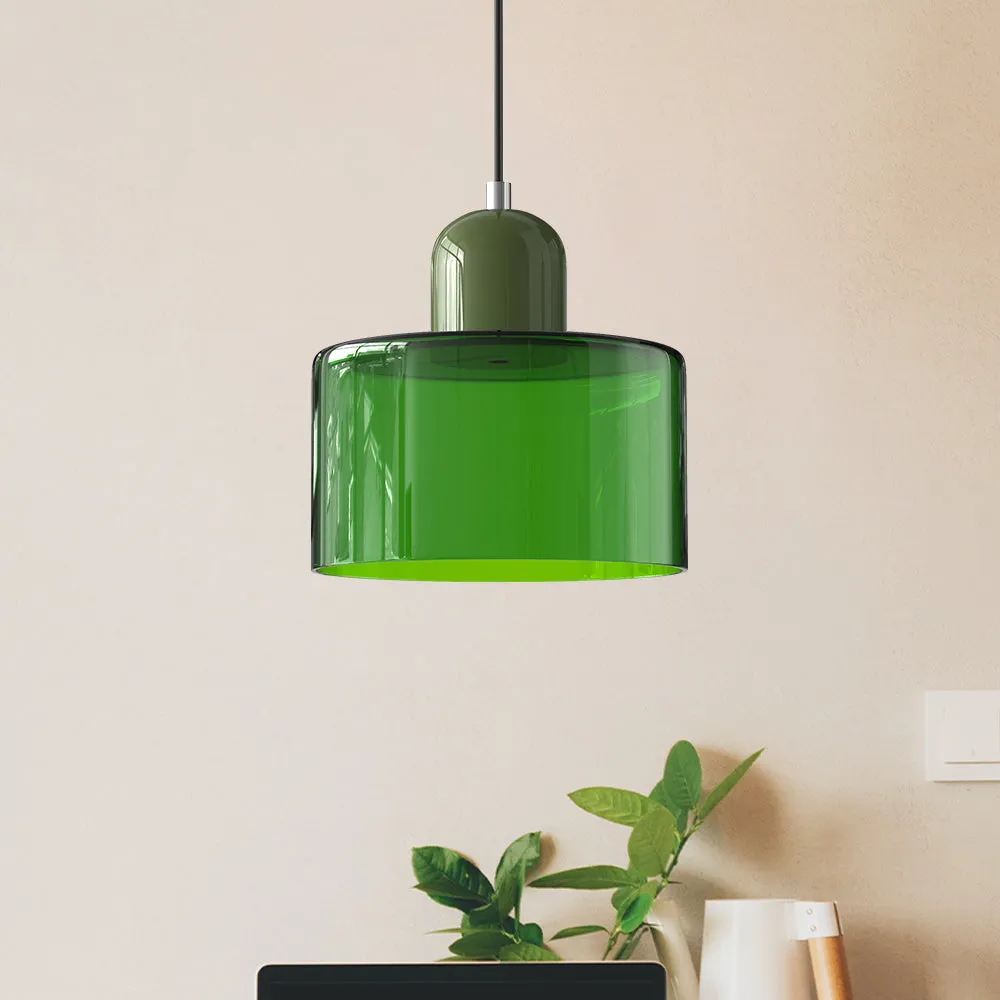
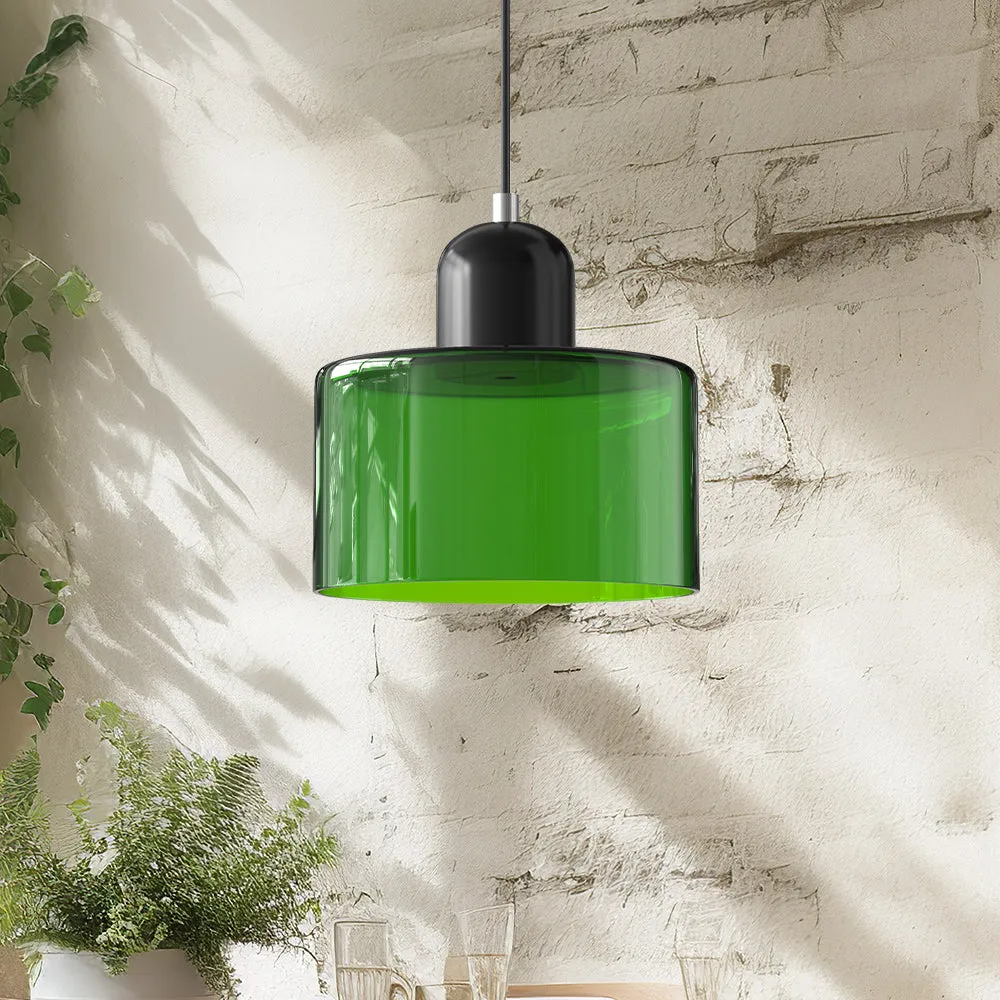
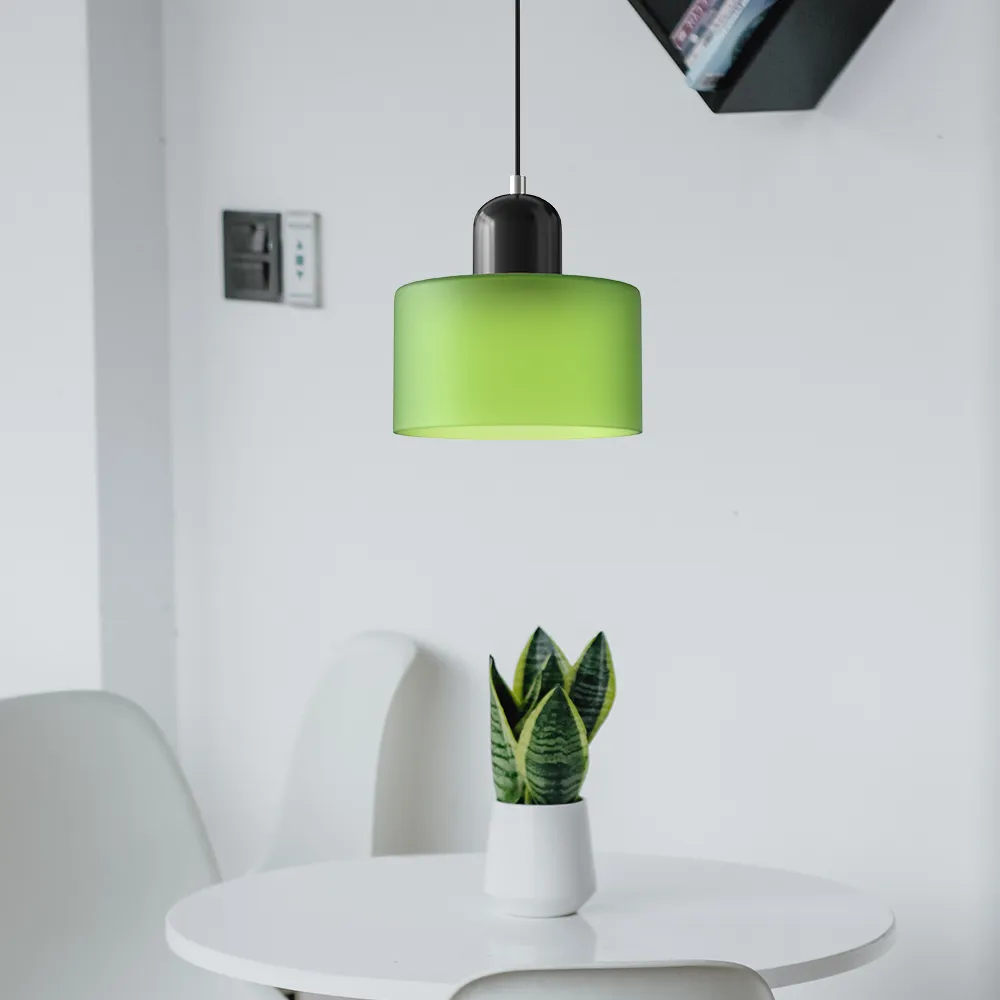
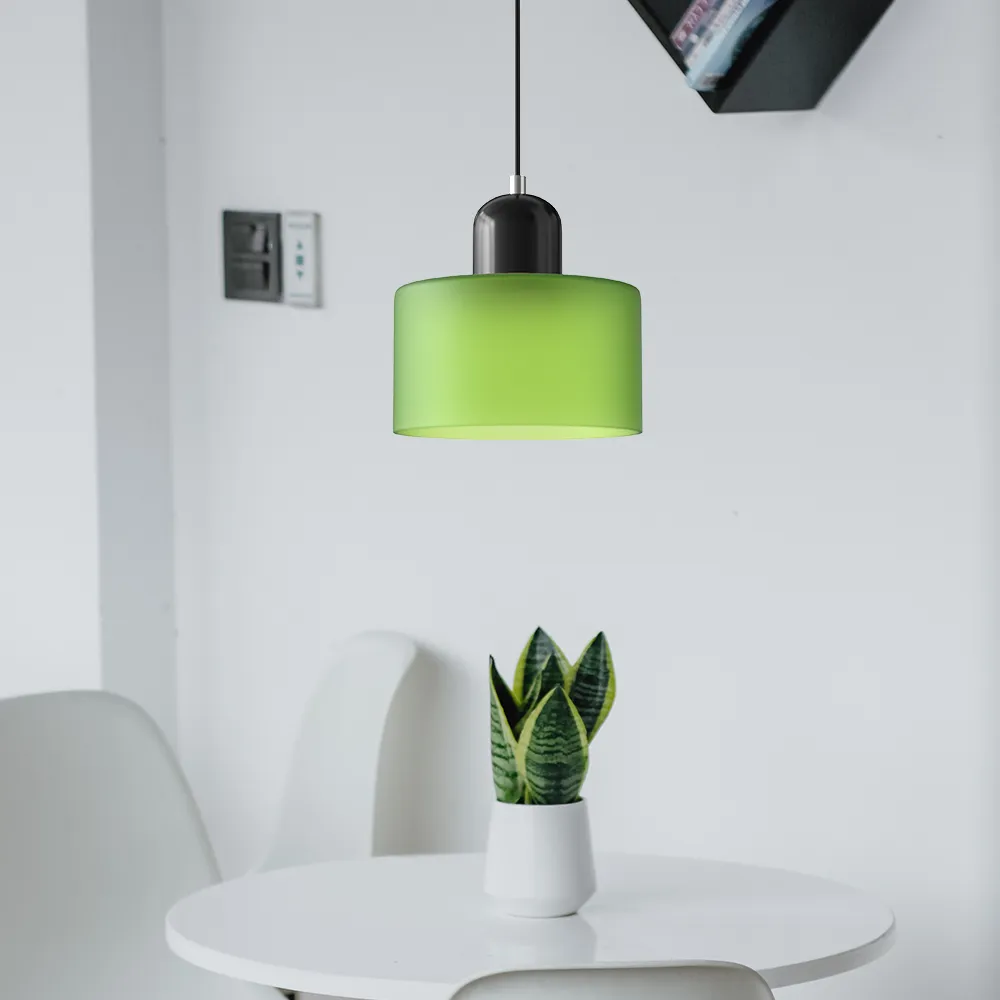
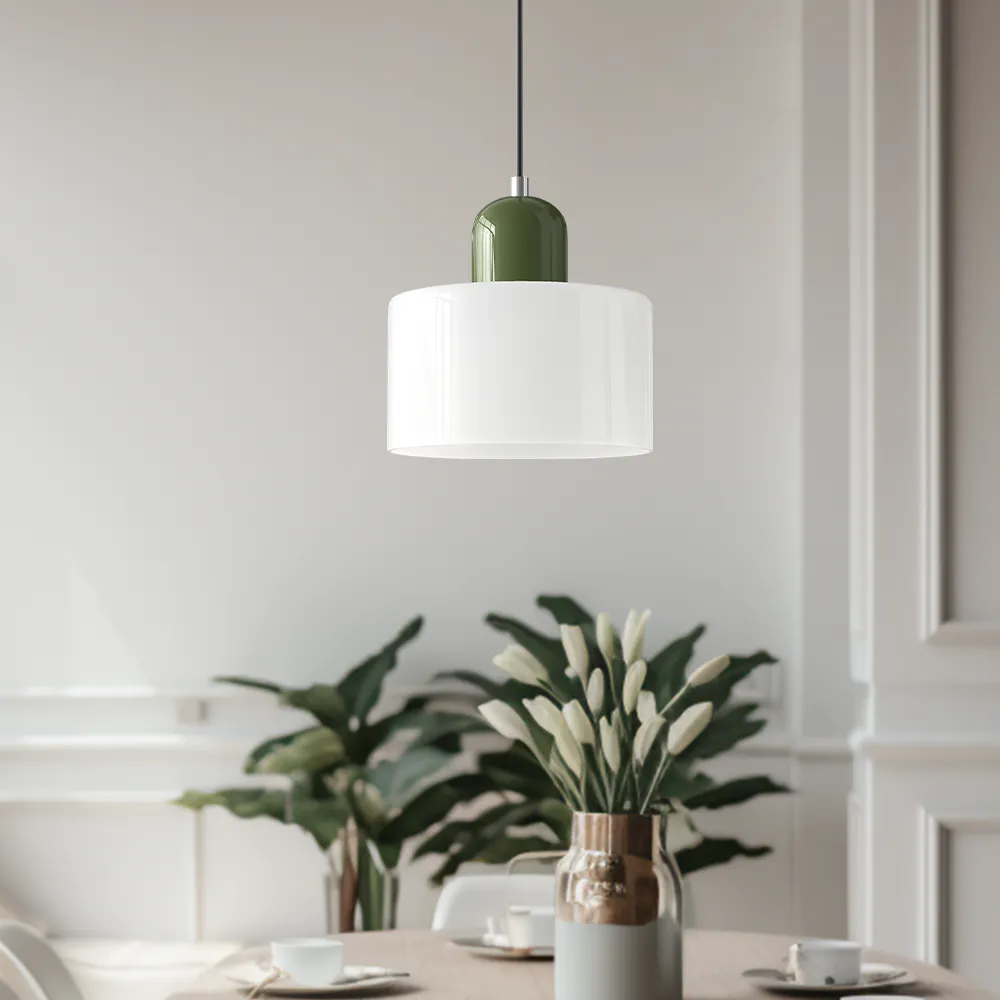
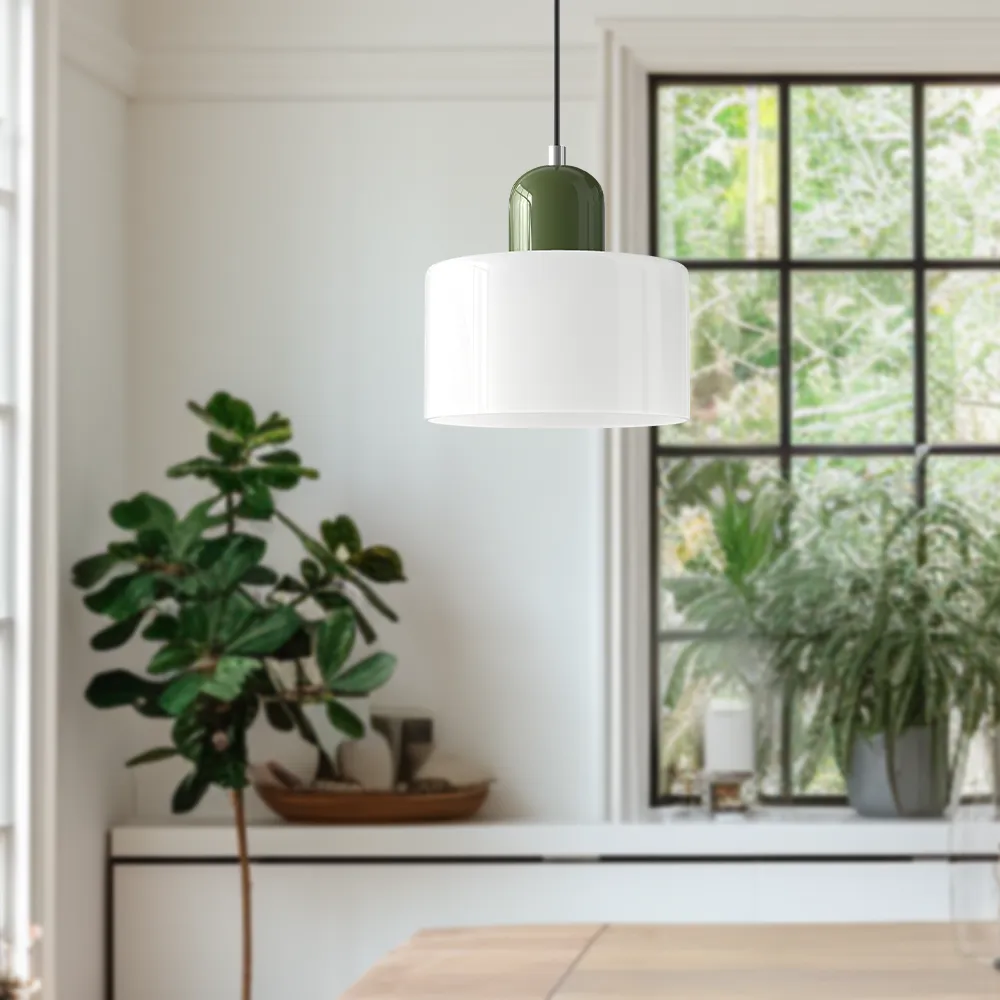
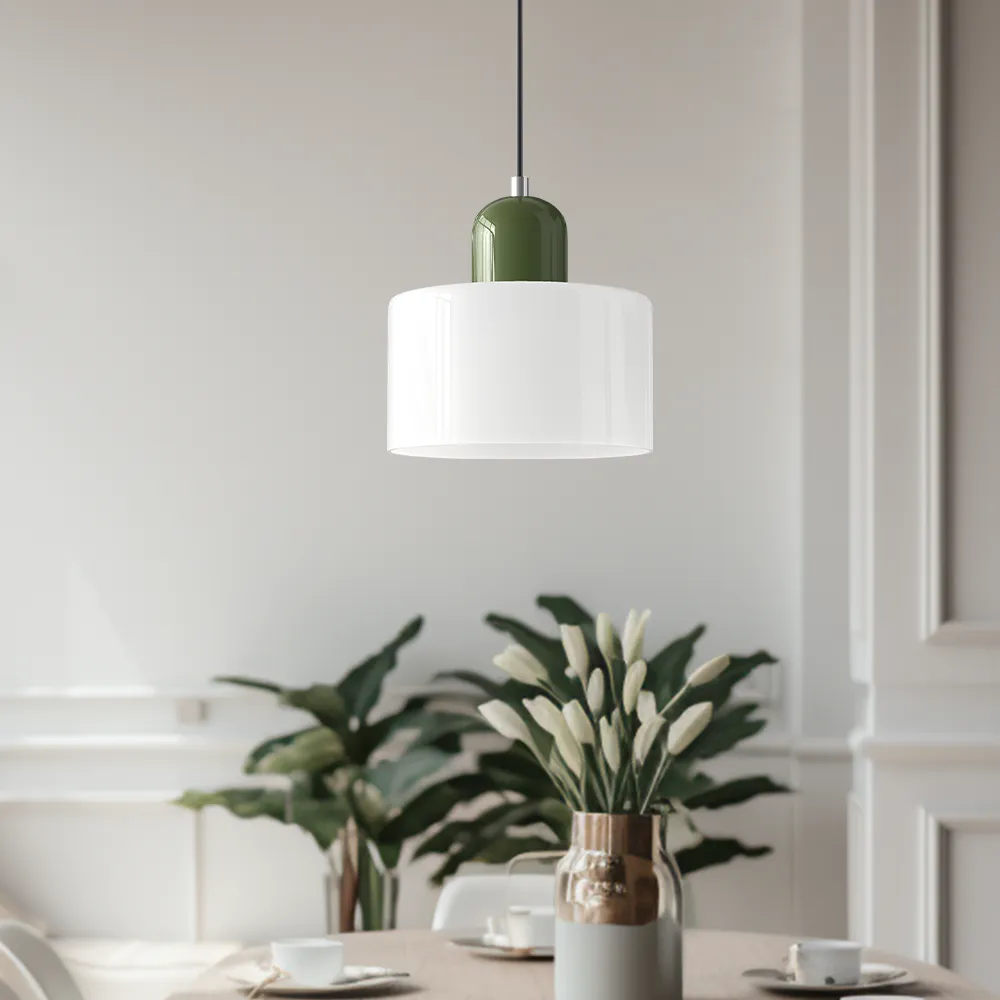
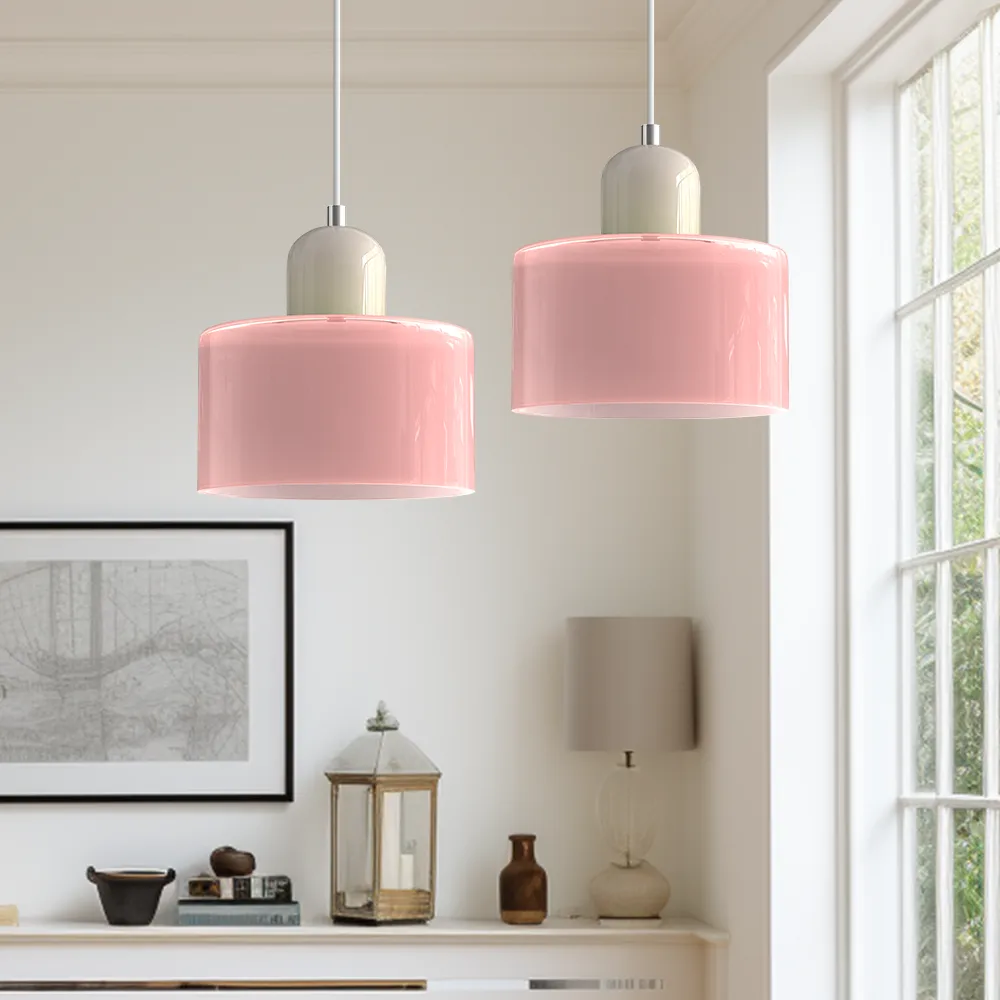
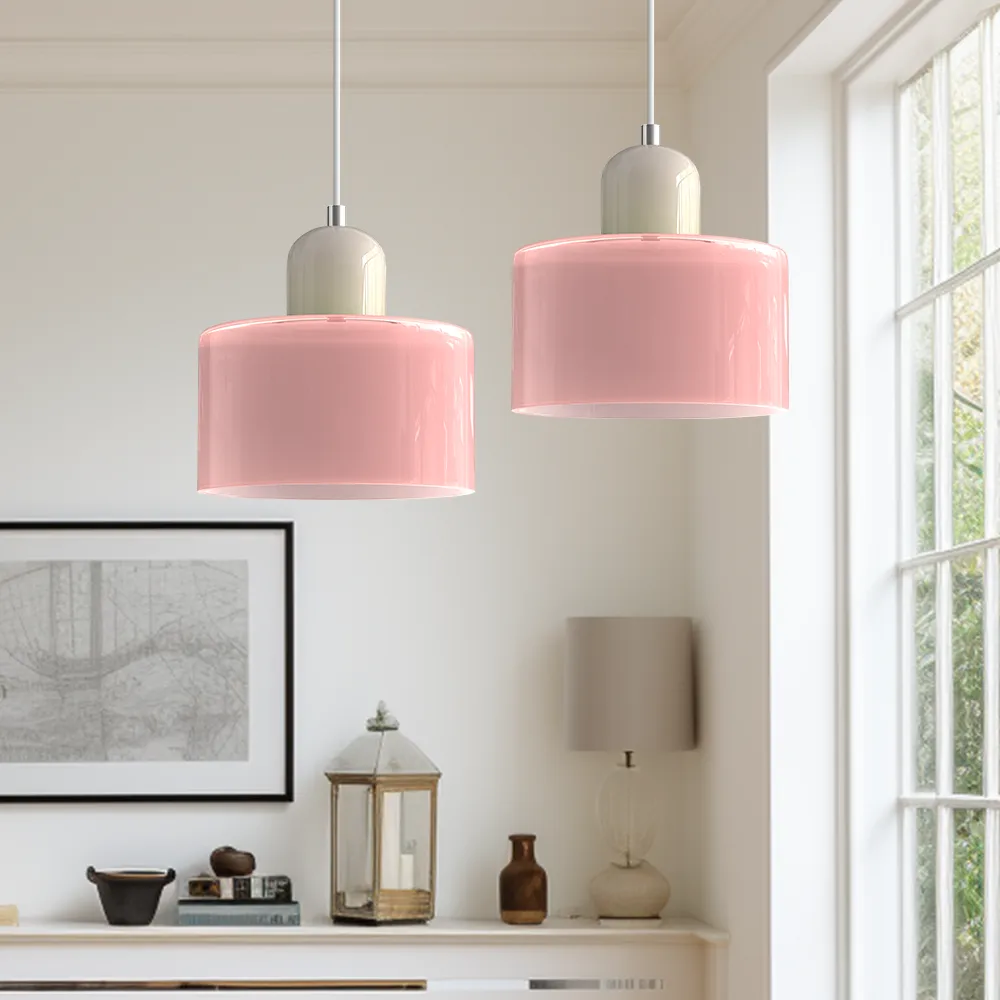
La compatta lampada a sospensione cilindrica in vetro Bauhaus Nordic Morandi rende facile visualizzare il calcolo. La pagina del prodotto indica un paralume di circa 15 cm di diametro e 17 cm di altezza. Quei 17 cm sono importanti: un'altezza obiettivo misurata fino al bordo inferiore del paralume non può essere convertita nella lunghezza del cavo indovinando a partire dal soffitto.
Misura dal piano di lavoro, non dal soffitto
Prima dell'installazione, prendi tre misure:
- Distanza tra piano di lavoro e bordo inferiore del paralume: l'altezza finale scelta, di solito 30-36 pollici come intervallo iniziale.
- Altezza del paralume: il corpo dell'apparecchio dal collegamento superiore al punto più basso.
- Coprifilo e margine del collegamento: la piccola sezione nascosta nel soffitto che influisce comunque sull'abbassamento totale.
Se l'obiettivo tra piano di lavoro e bordo inferiore del paralume è di 34 pollici e il corpo della Morandi è alto 6,7 pollici, il punto di collegamento si troverà a circa 40,7 pollici sopra il piano prima di considerare il coprifilo. La regolazione esatta del cavo dipende dalla ferramenta fornita, quindi usa le dimensioni del prodotto come riferimento di progetto e verifica l'intervallo finale di sospensione prima dell'ordine.
Controlla il diametro reale di 15 cm e l'altezza di 17 cm sulla pagina del prodotto della lampada a sospensione cilindrica in vetro Morandi prima di ritagliare un modello o specificare la lunghezza del cavo.
Usa 30-36 pollici come intervallo iniziale
Il noto intervallo di 30-36 pollici funziona perché bilancia tre esigenze quotidiane: spazio sufficiente per preparare gli alimenti, un collegamento visivo leggibile tra isola e soffitto e un paralume che non sembri sospeso così in alto da perdere la propria funzione visiva. È un punto di partenza progettuale, non una regola universale. Un'isola stretta, un paralume profondo o un soffitto molto basso possono cambiare la risposta.
Alza l'apparecchio quando:
- la persona abituale più alta vede il paralume direttamente davanti agli occhi mentre è in piedi;
- l'isola si trova su un percorso principale o la cucina si apre direttamente sul soggiorno;
- il paralume interrompe la conversazione tra persone sui lati opposti.
Abbassalo leggermente quando:
- il soffitto è alto e l'isola ha bisogno di un elemento visivo più forte;
- le lampade a sospensione sono molto piccole e sembrano scollegate dal piano di lavoro;
- l'isola viene usata soprattutto da seduti e la linea di visuale in piedi rimane libera.
Apporta modifiche in piccoli incrementi. Una regolazione di due pollici è facile da vedere in un modello di carta e molto più difficile da annullare dopo aver fissato la scatola elettrica e il coprifilo.
Controlla le linee di visuale da seduti e in piedi
L'altezza non è corretta finché non funziona dalle posizioni che contano. Fissa un cerchio di carta all'altezza proposta del bordo inferiore del paralume oppure appendi un modello leggero a una tavola provvisoria. Mettiti in piedi nel punto principale per la preparazione, poi siediti su ogni sgabello. Guarda verso la persona di fronte e verso l'ambiente oltre l'isola. Se il paralume occupa la linea di visuale più importante, alzalo o sposta leggermente il gruppo verso la zona operativa.
Esegui la verifica con le luci accese. Un paralume in vetro che alla luce del giorno sembra quasi invisibile può diventare un punto focale luminoso dopo il tramonto. La Morandi utilizza una lampadina E27 e la scheda indica una potenza massima di 40 W; il livello finale di abbagliamento dipenderà comunque dalla forma e dalla potenza della lampadina e dal fatto che sia visibile attraverso la finitura in vetro scelta.
Considera le piccole lampade a sospensione come un gruppo
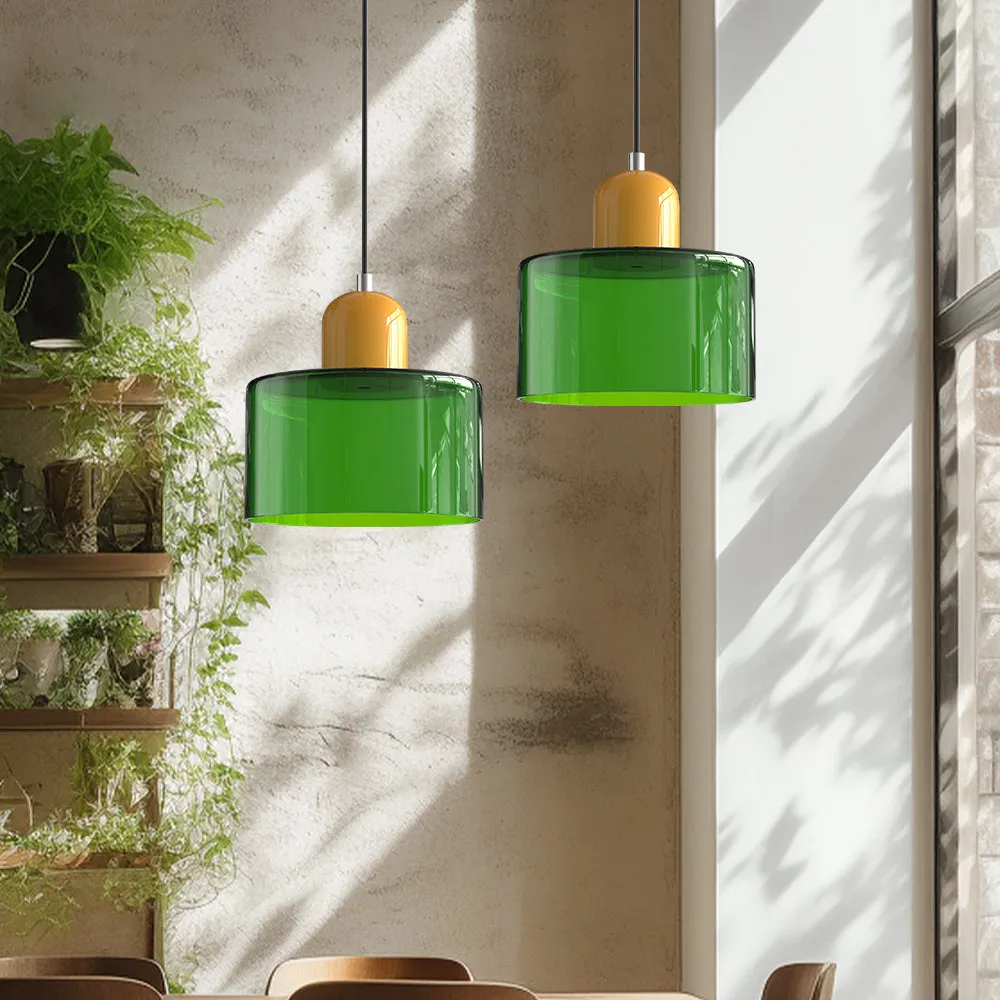
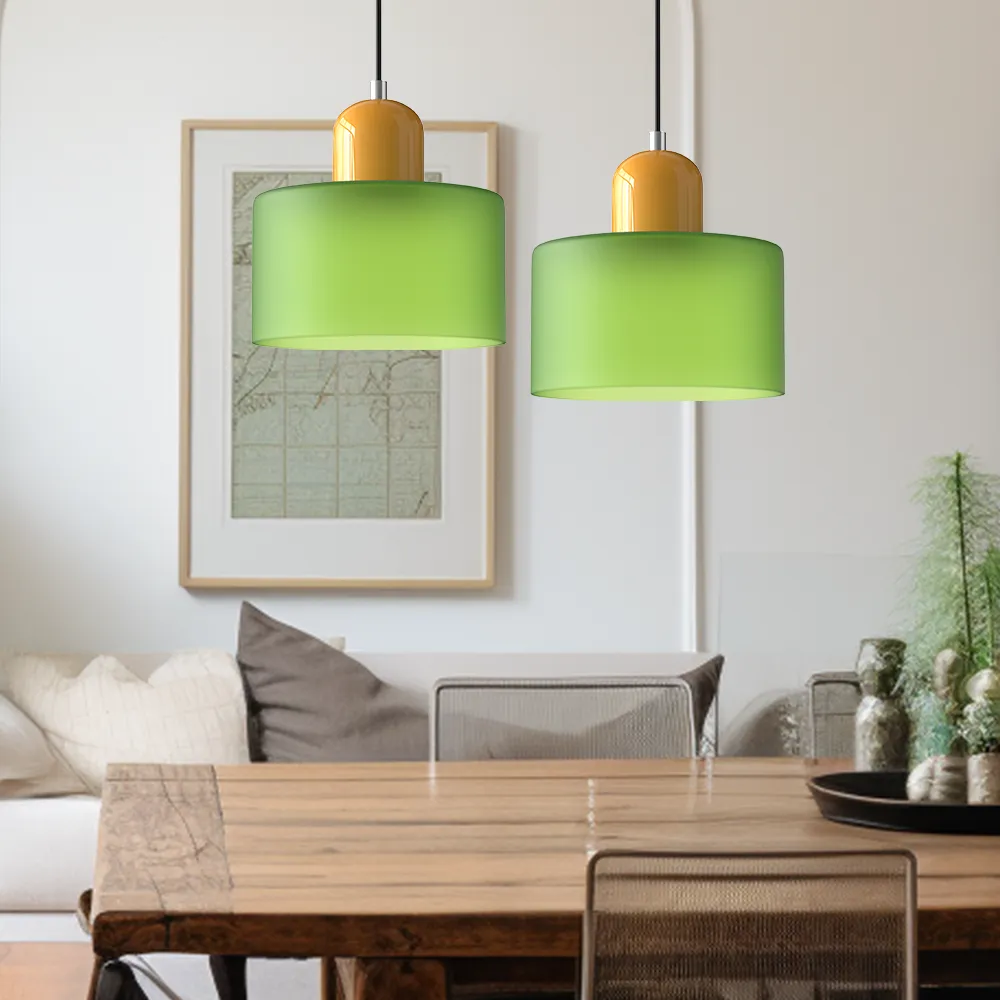
Un paralume da 15 cm è abbastanza piccolo da spingere spesso i proprietari ad appenderlo troppo in basso per farlo sembrare più importante. Evita di risolvere le proporzioni agendo solo sull'altezza. Se una lampada a sospensione sembra persa, prova prima due o tre elementi all'altezza corretta. Un gruppo equilibrato dà all'isola una linea visiva più forte senza collocare un unico oggetto luminoso proprio al centro della visuale di tutti.
Per una lampada della classe dei 6 pollici, mantieni lo stesso obiettivo per il bordo inferiore del paralume in ogni sospensione. Non sfalsare le altezze, a meno che il progetto dell'ambiente non lo richieda intenzionalmente; punti inferiori non allineati fanno sembrare casuale un'isola ordinata e complicano il controllo delle linee di visuale.
Controlli del soffitto e dell'impianto elettrico prima di fissare l'altezza
Verifica la posizione della scatola di derivazione, l'inclinazione del soffitto, la compatibilità del coprifilo e il supporto per ogni sospensione. Un soffitto inclinato può richiedere una ferramenta che rimanga in piano; la pagina del prodotto non stabilisce questa compatibilità, quindi confermala prima dell'acquisto. La scheda indica 110-240 V CA e uso interno, ma l'installazione deve comunque rispettare le norme elettriche locali.
Per gli interventi con cablaggio fisso, segui le indicazioni per la sicurezza elettrica domestica della Electrical Safety Foundation International. Se le luci si attenuano quando si avviano altri dispositivi, gli interruttori ronzano o gli interruttori automatici scattano ripetutamente, fai controllare il circuito da un elettricista qualificato prima di aggiungere più lampade a sospensione.
Dopo che l'altezza ha superato le prove da seduti e in piedi, consulta le combinazioni disponibili di paralume e base per la lampada a sospensione Morandi e comunica all'installatore la distanza misurata.
Domande frequenti
Devo misurare fino al coprifilo o fino al paralume?
Misura dal piano di lavoro al punto più basso del paralume. Usa poi l'altezza del coprifilo e dell'apparecchio per calcolare l'abbassamento totale.
30 pollici sono troppo pochi?
Non automaticamente. Possono funzionare quando le linee di visuale da in piedi sono libere, ma prova le persone alte e la visuale dell'ambiente prima di fissare l'altezza.
36 pollici sono troppi per una lampada a sospensione piccola?
Su un soffitto grande o alto possono sembrare troppi. Prova un modello di carta e regola l'altezza con piccoli incrementi.
Come influisce l'altezza di 17 cm della Morandi sul cavo?
Il corpo occupa una parte dell'abbassamento totale, quindi sottrai la sua altezza dal calcolo del punto di collegamento invece di indovinare la lunghezza del cavo.
Posso installare da solo le lampade a sospensione?
Solo se le norme locali lo consentono e possiedi le competenze necessarie; per il cablaggio fisso è meglio affidare il controllo e il completamento dei lavori a un elettricista qualificato.