간단히 답하자면, 아일랜드 식탁 길이에 맞춰 펜던트 조명의 개수를 정하고, 양 끝에 여유 공간을 확보한 다음, 펜던트 조명 중심 간 거리를 계산하세요. 일반적으로 1.8m(6피트) 아일랜드 식탁에는 작은 펜던트 조명 두 개, 2.1m(7피트) 아일랜드 식탁에는 두세 개, 2.4m(8피트) 아일랜드 식탁에는 세 개를 설치하는 것이 균형 잡힌 구성을 연출합니다. 각 조명 갓의 아랫부분이 조리대에서 약 76~91cm(30~36인치) 위에 오도록 설치한 후, 실제로 주방을 사용하는 사람들의 시선에 맞춰 위치를 조정하세요.
주방 아일랜드 펜던트 조명은 단순히 장식으로 급하게 고르는 것이 아니라, 전체적인 공간 계획의 중요한 부분으로 생각하고 계획하는 것이 가장 좋습니다. 조명을 고르는 데에는 세 가지 중요한 요소가 있습니다. 높이는 시선을 좌우하고, 조명의 개수는 시각적 무게감과 조명 범위에 영향을 주며, 간격은 전체적인 분위기를 차분하게 만들지 아니면 복잡하게 만들지를 결정합니다. 이 중 하나라도 소홀히 하면 제품 사진에서는 멋져 보일지라도 실제 주방 아일랜드 위에 설치했을 때는 어색해 보일 수 있습니다.
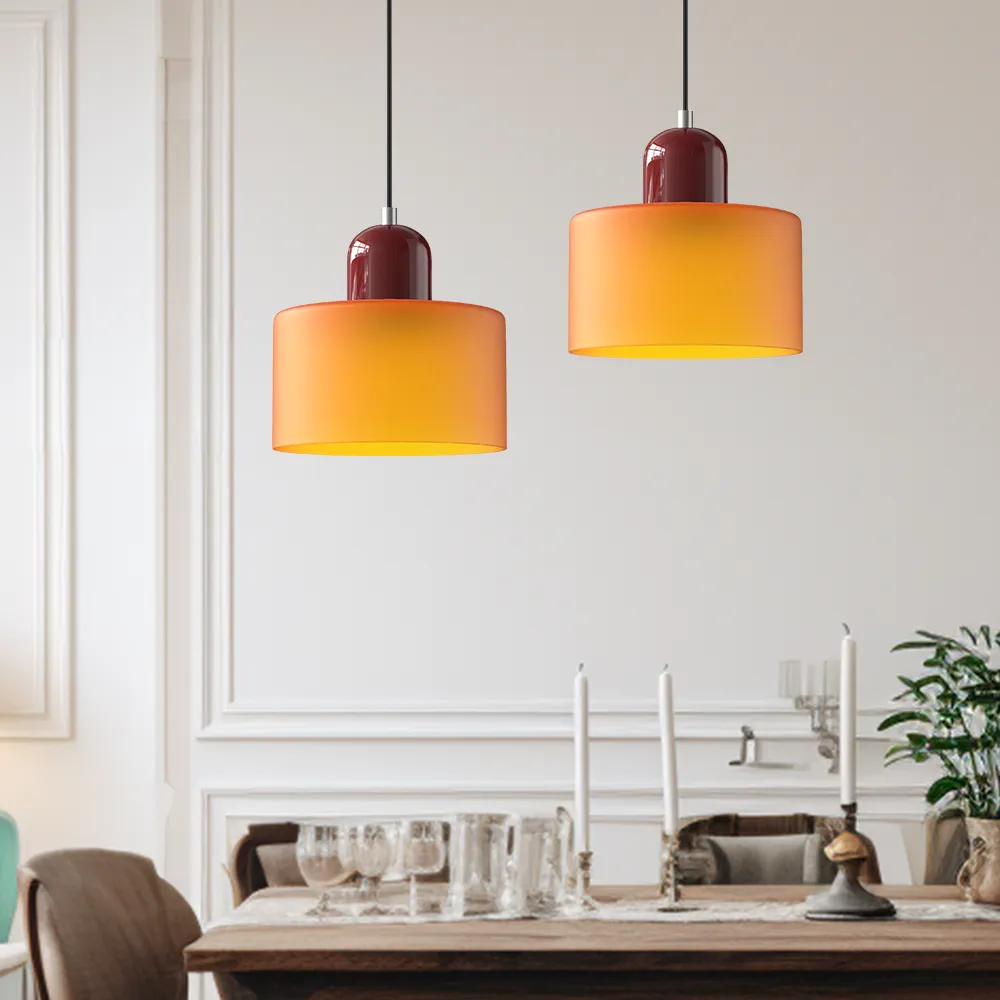
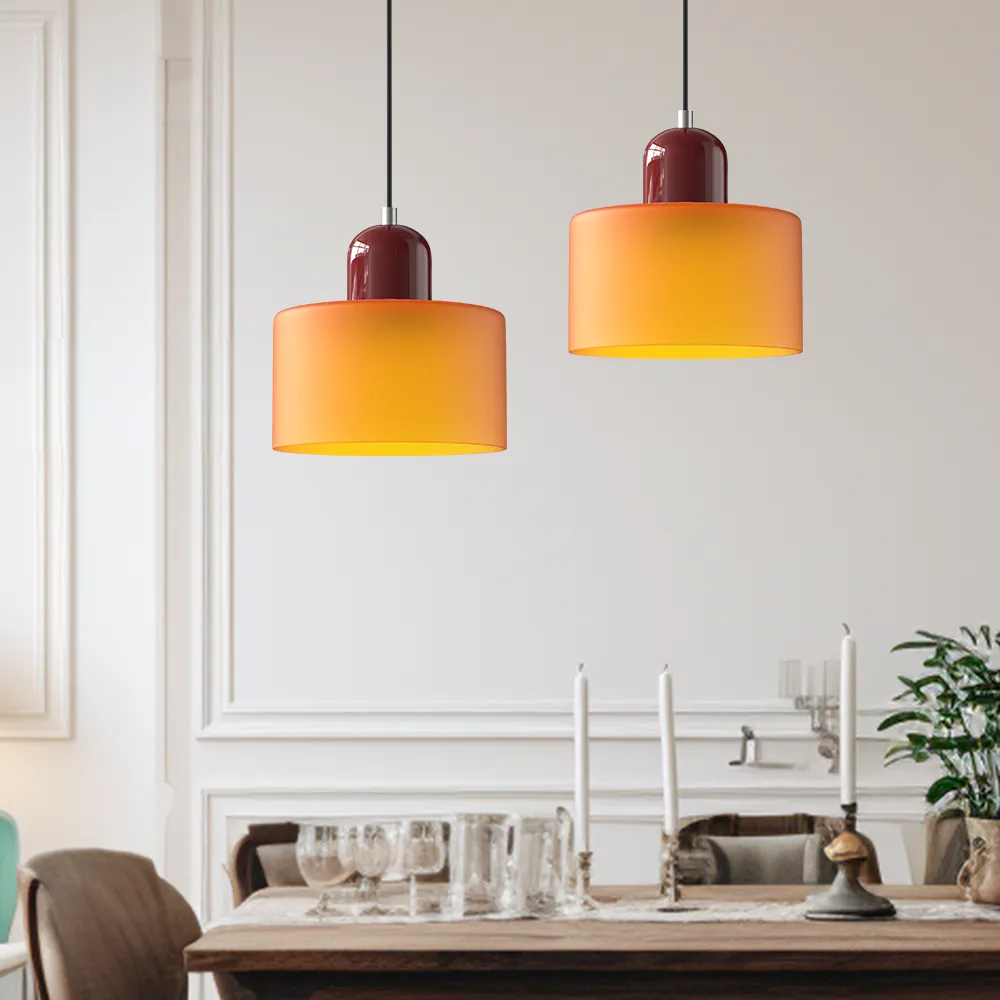
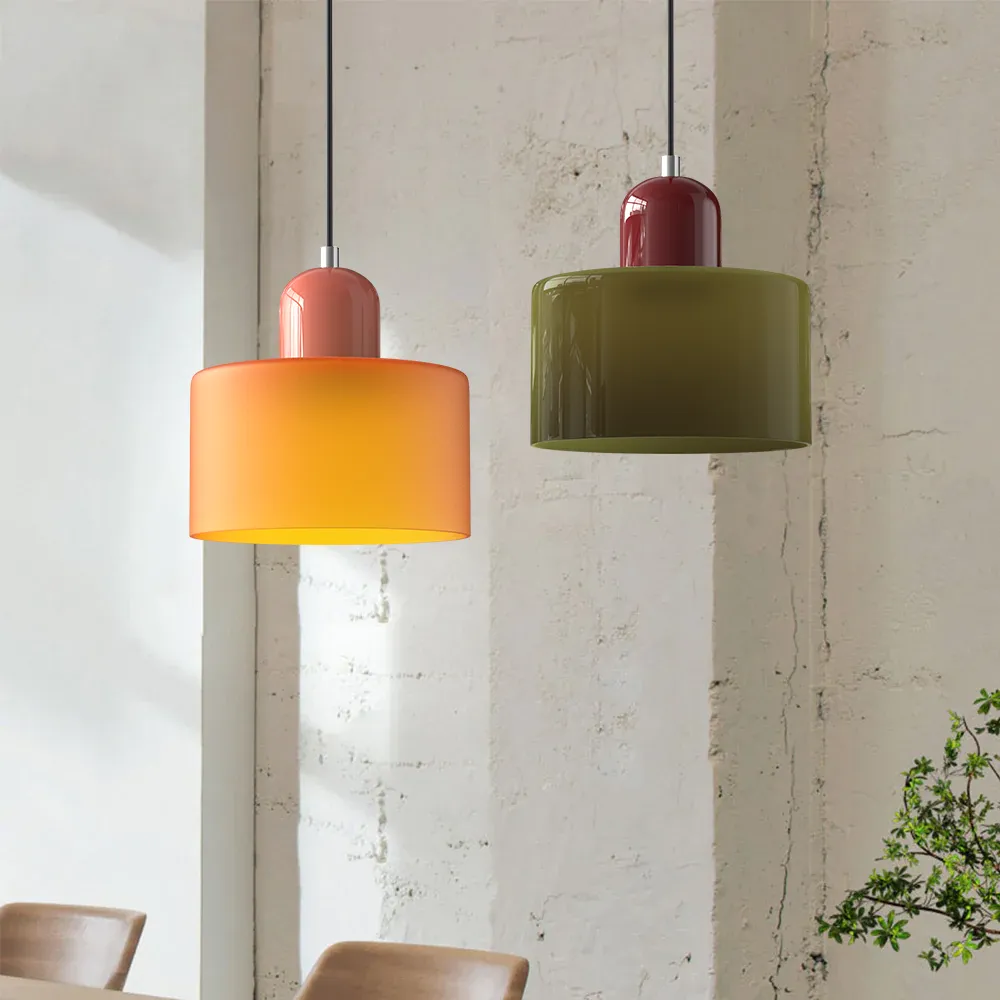
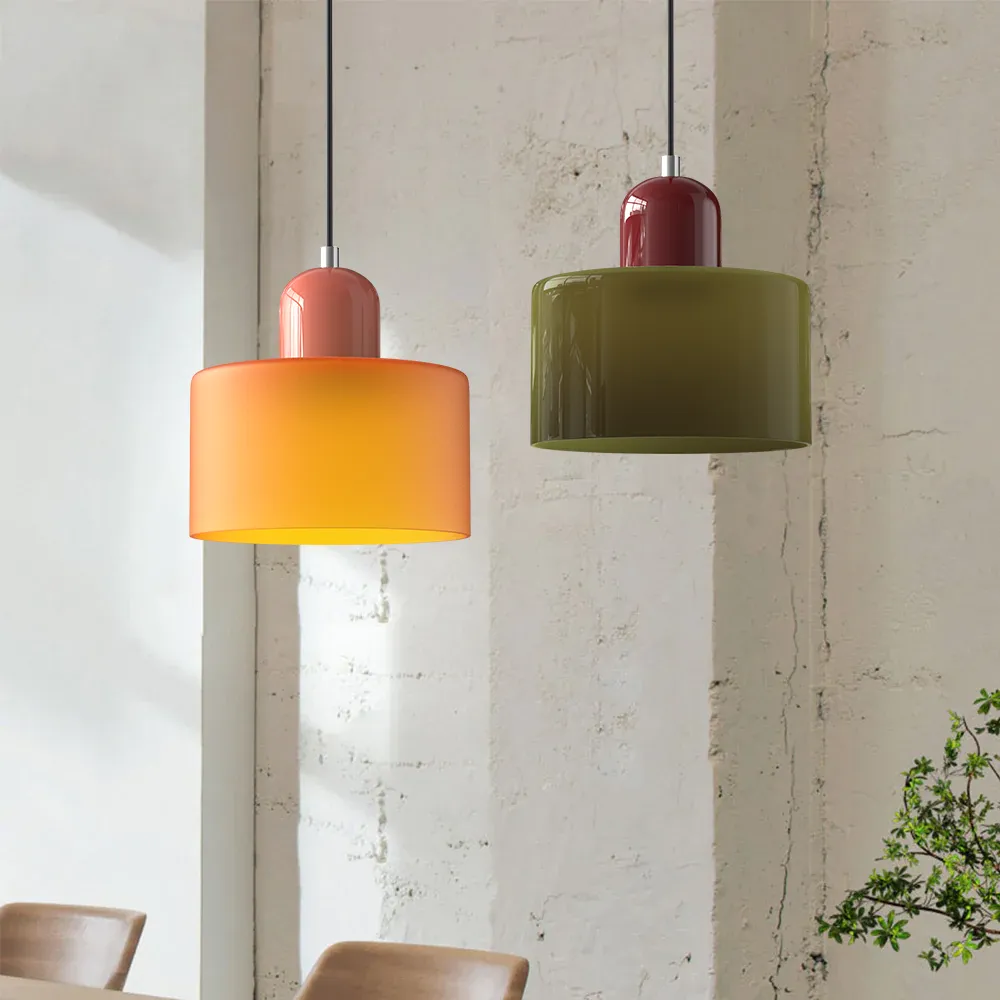
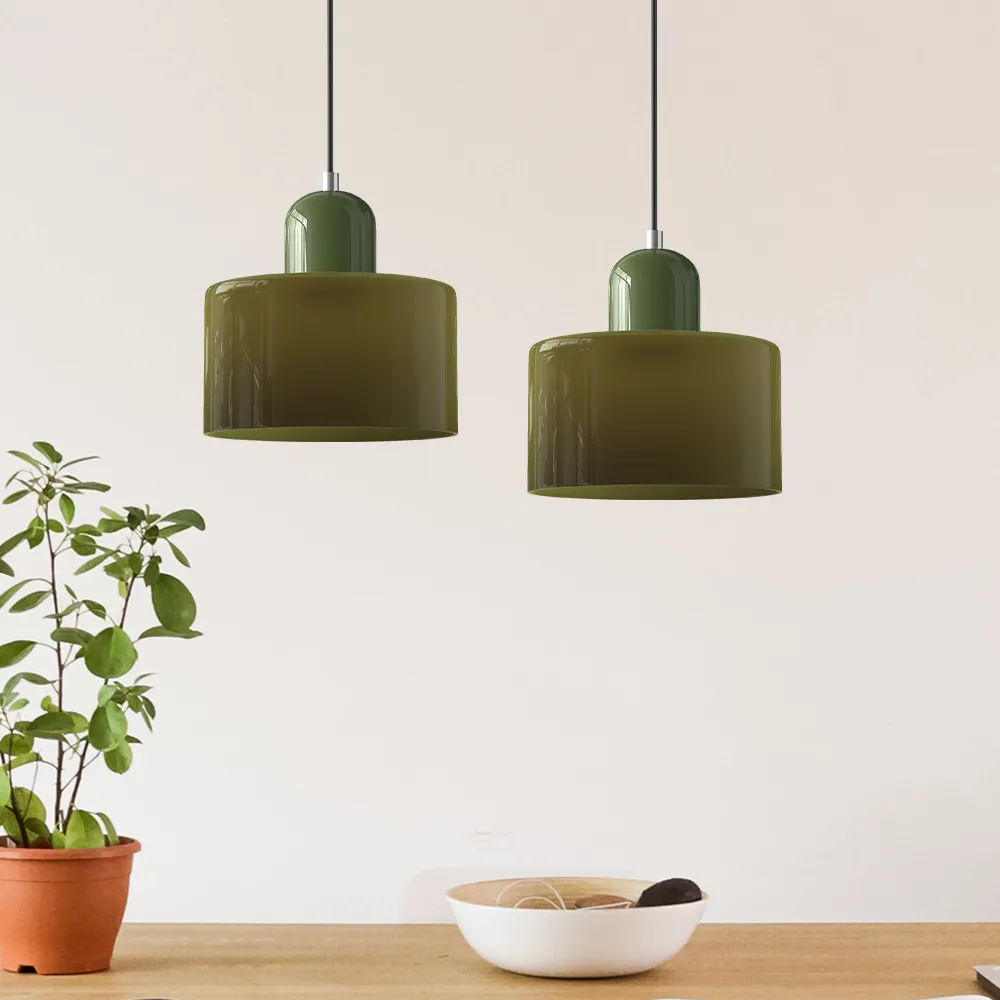
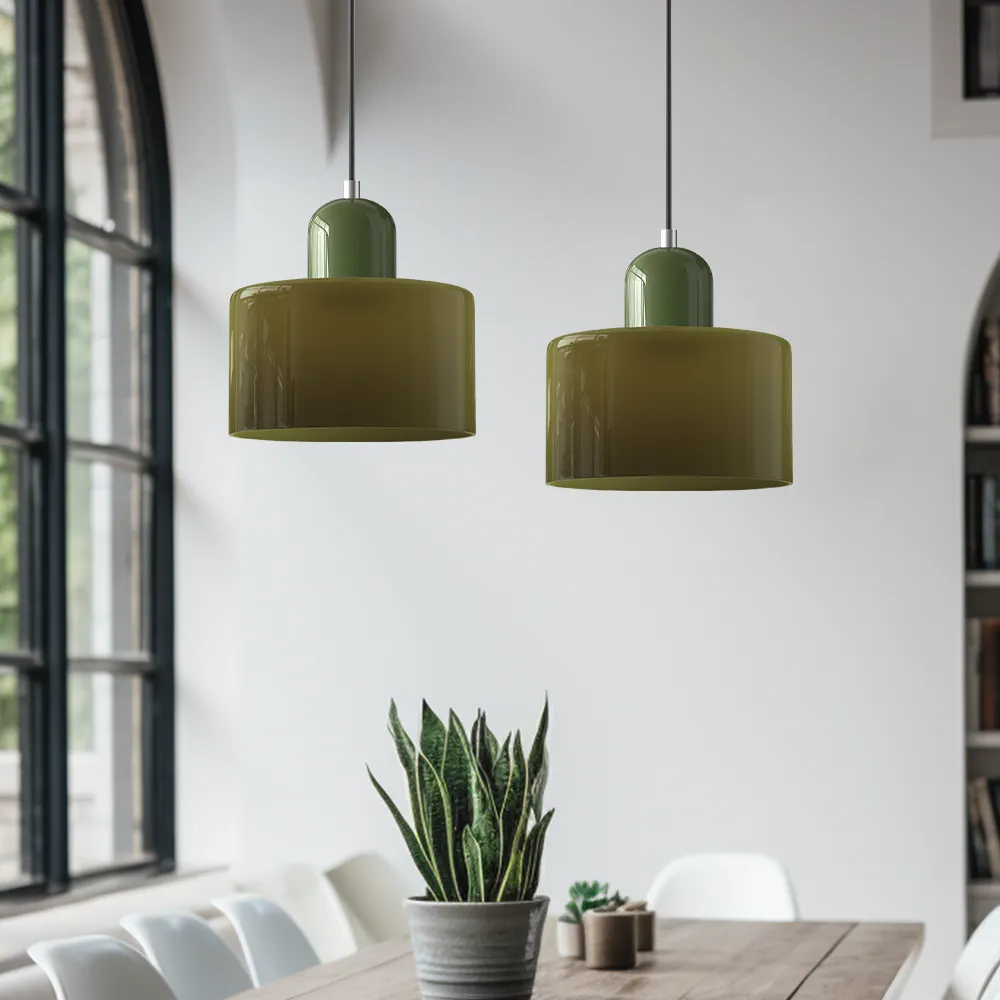
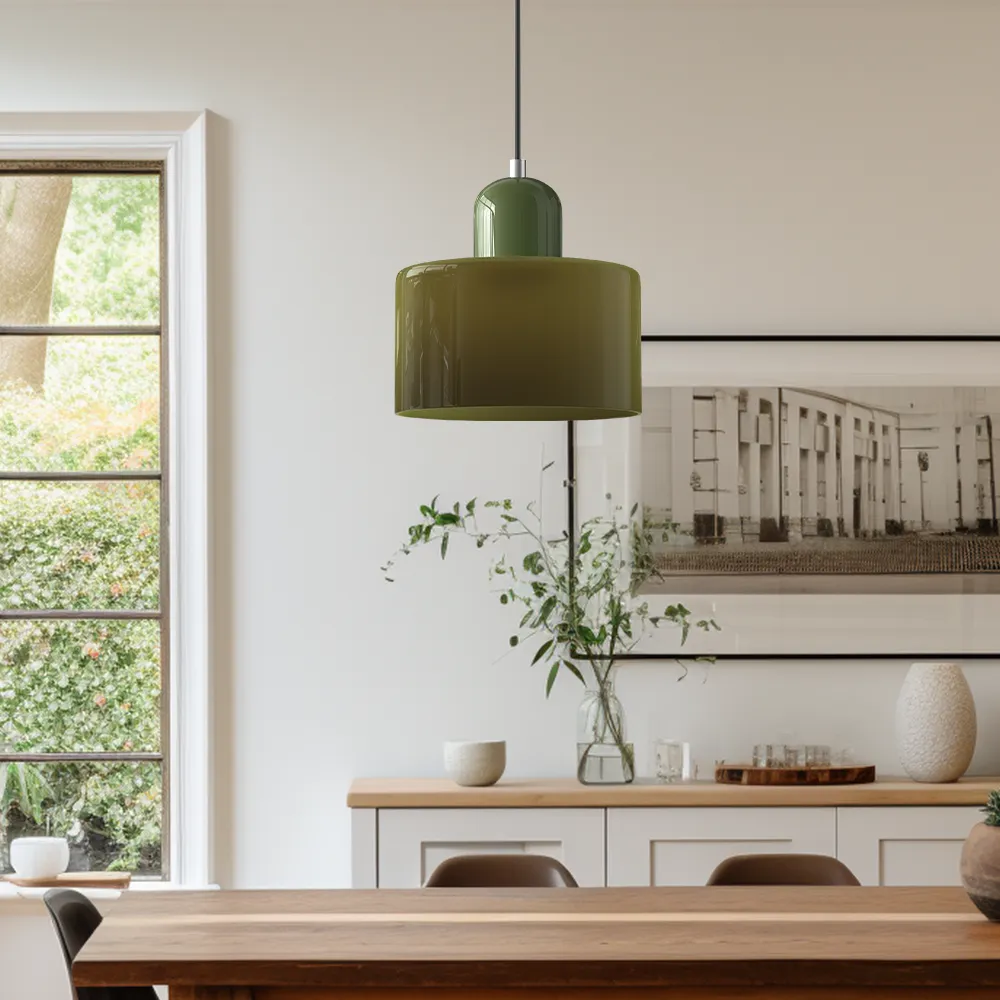
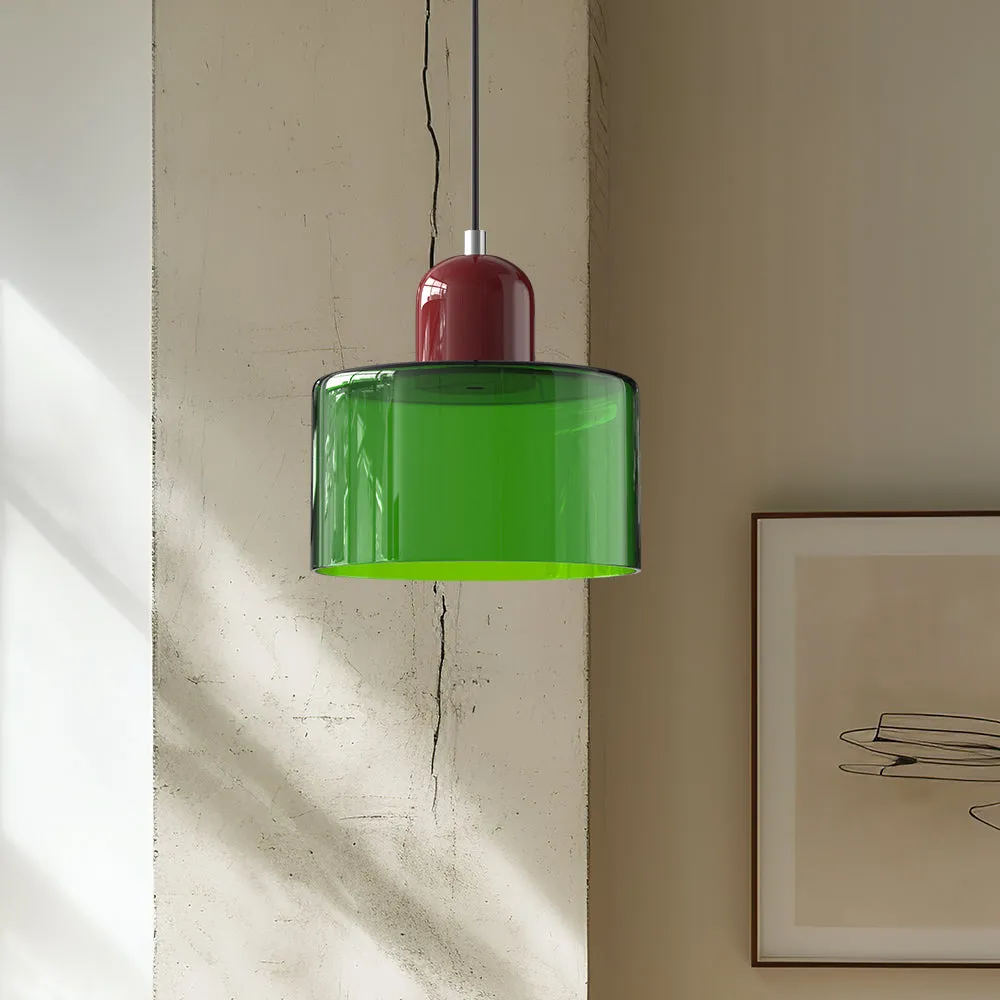
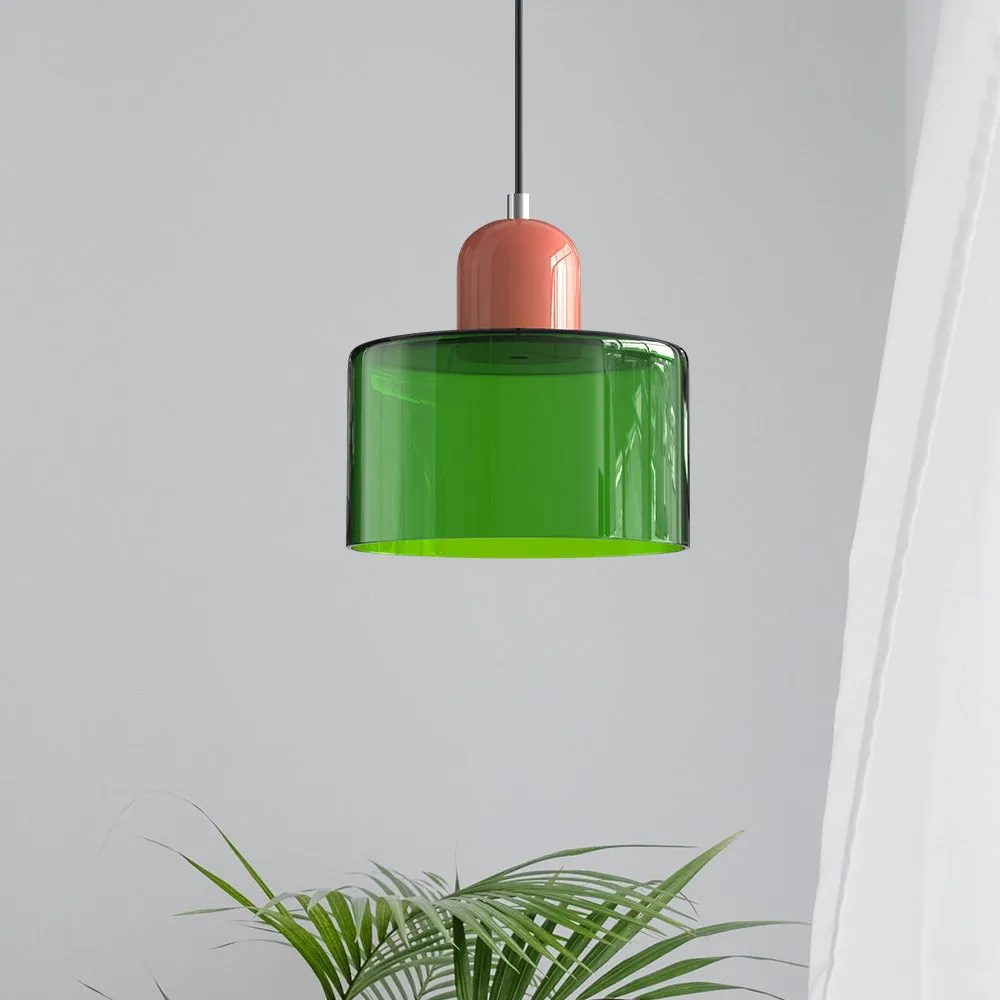
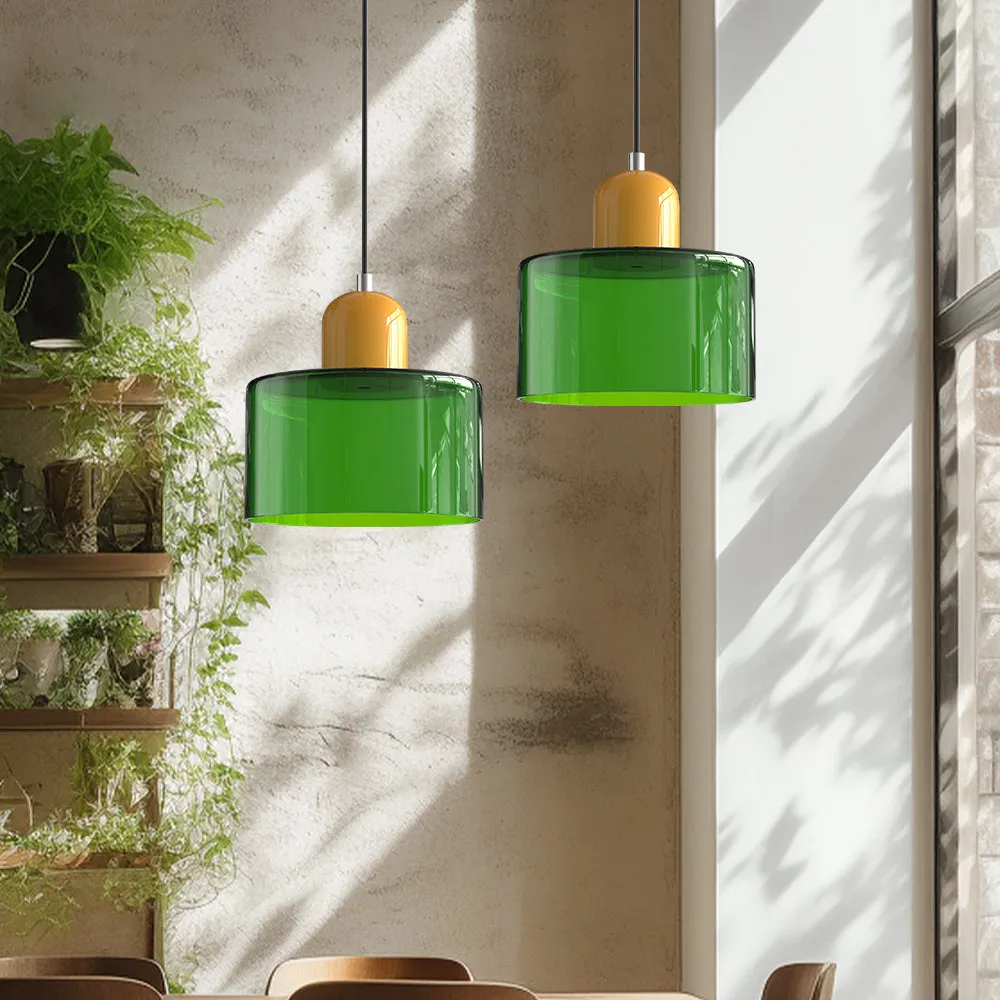
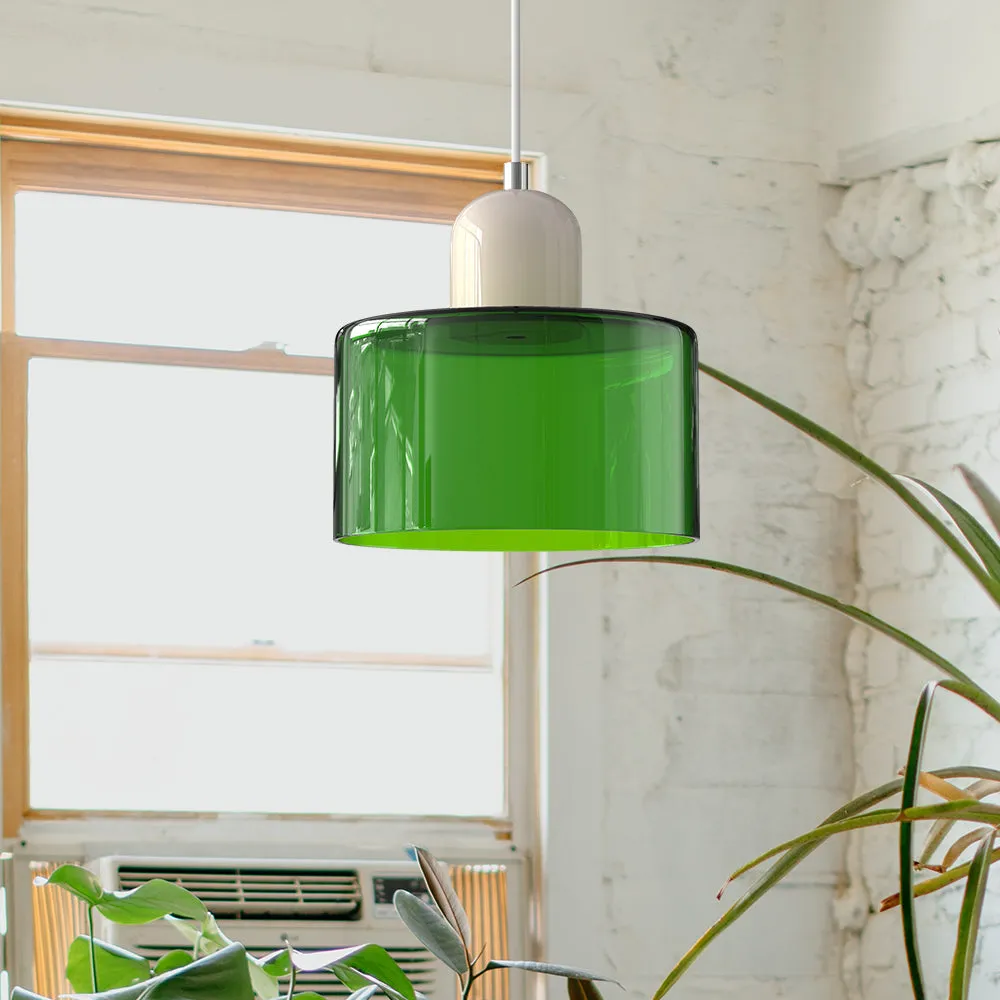
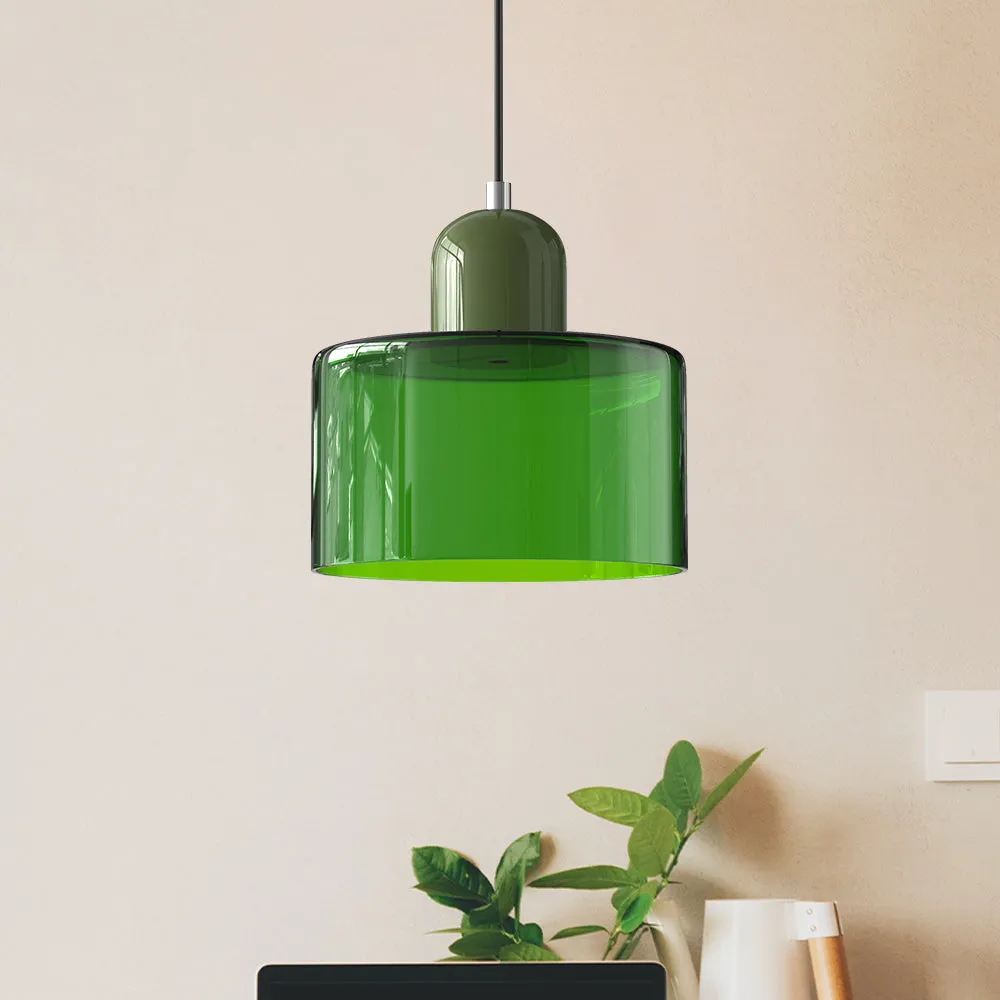
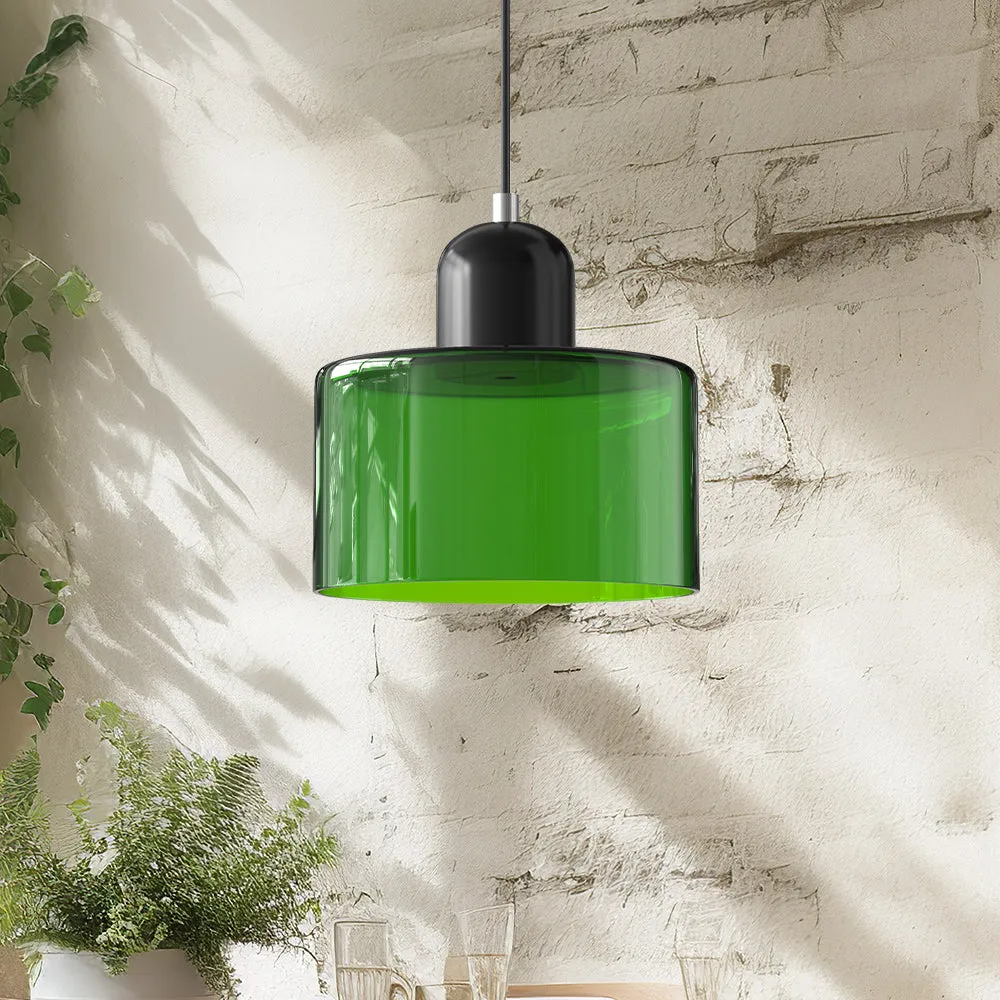
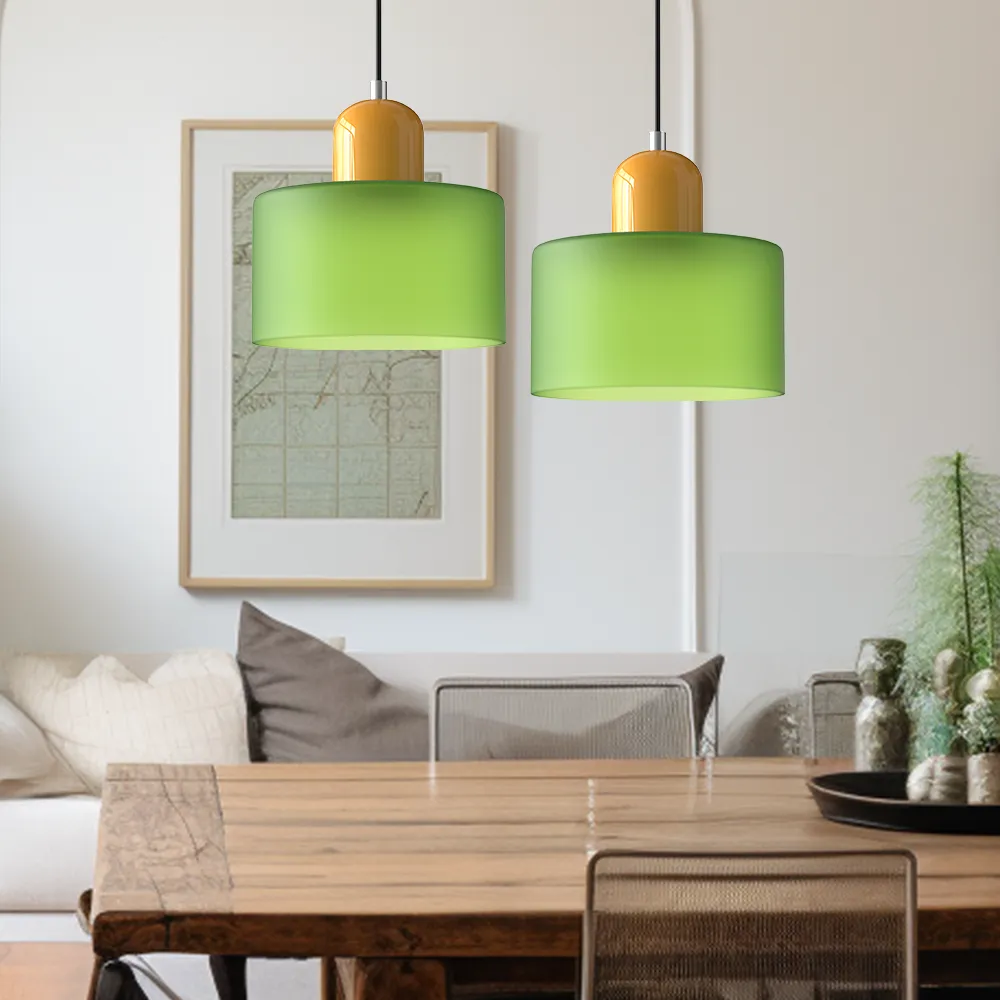
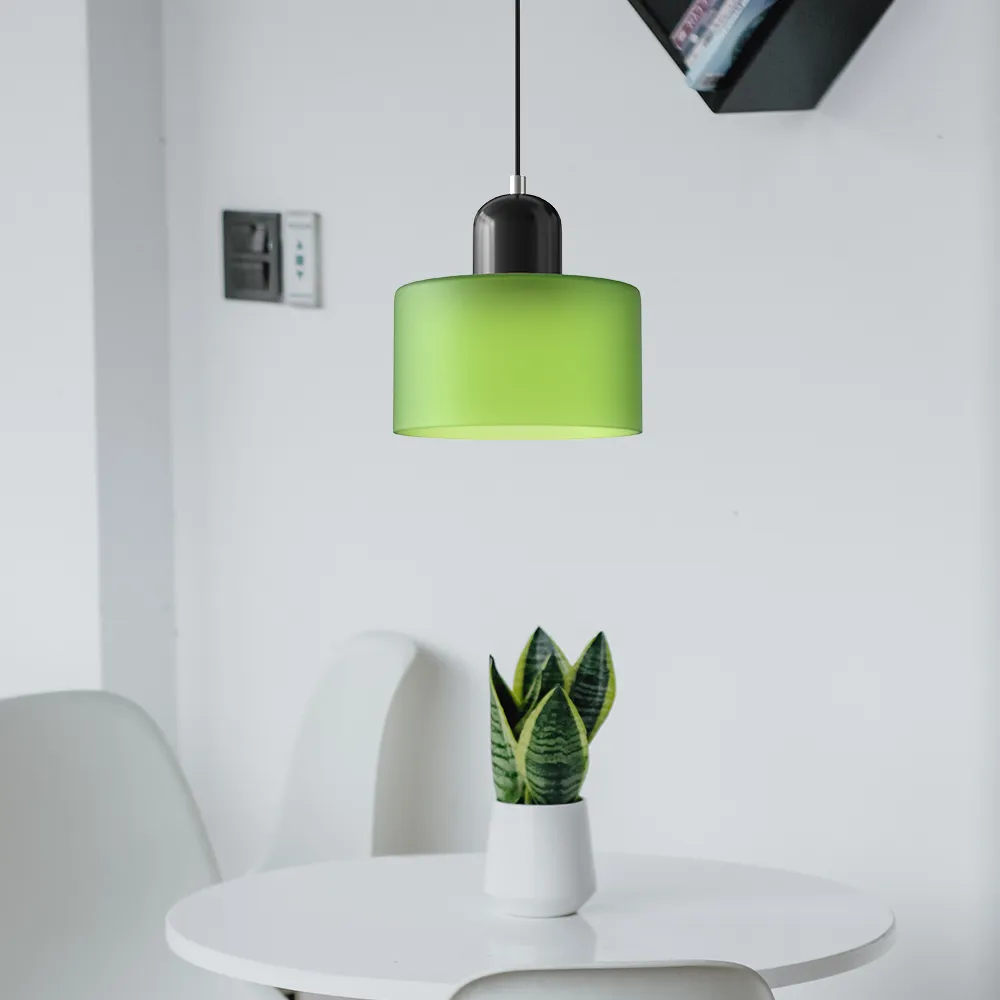
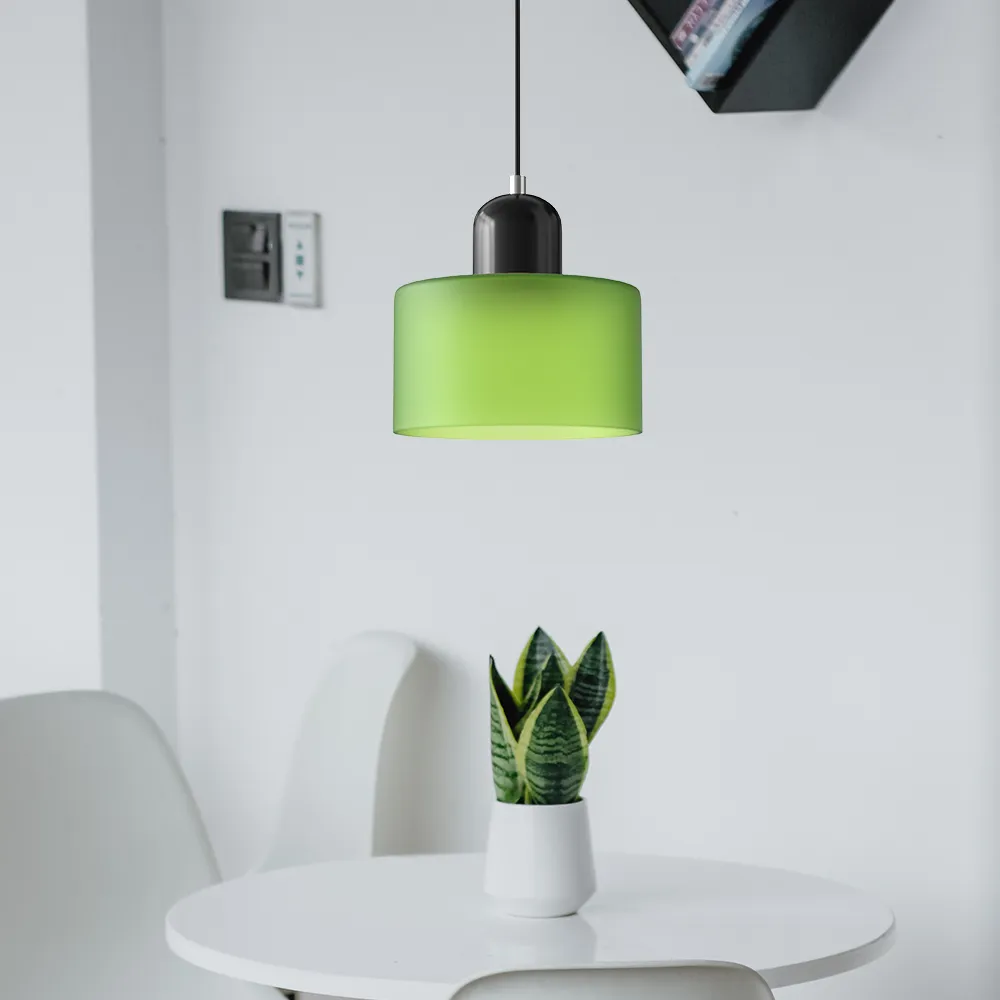
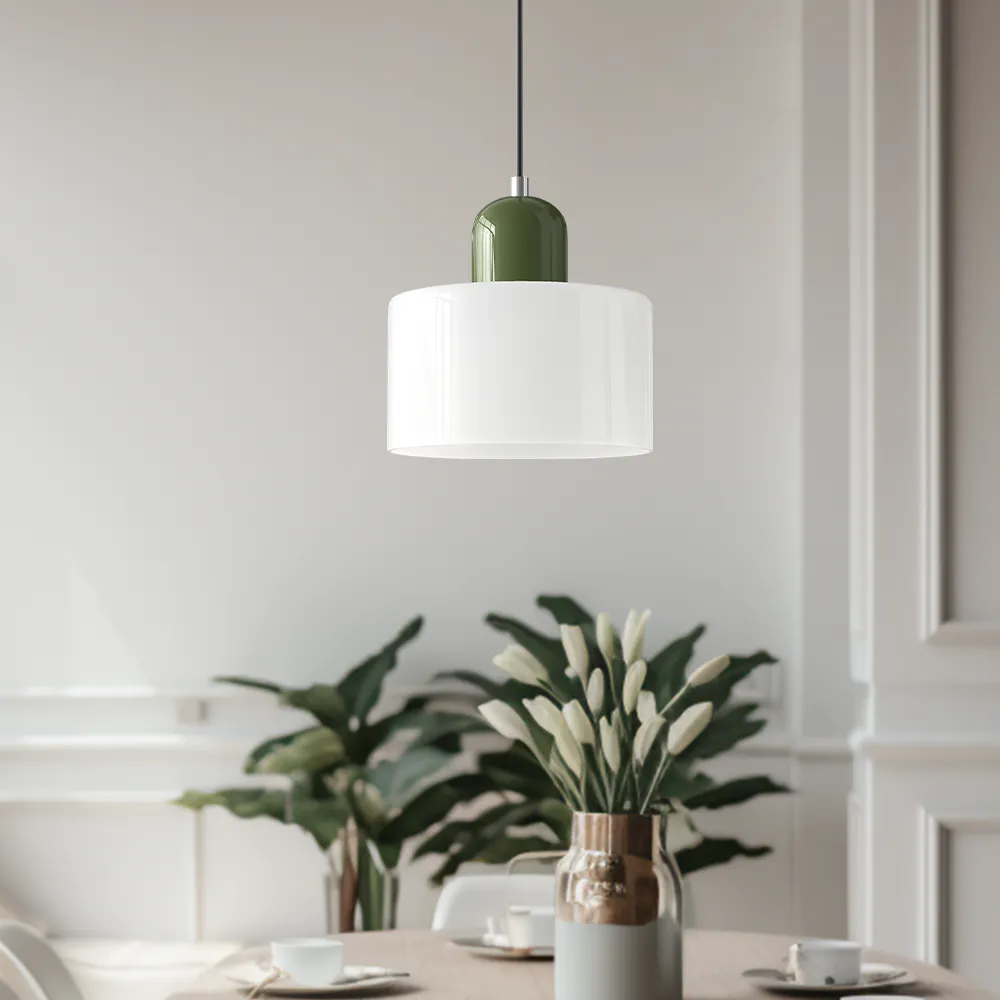
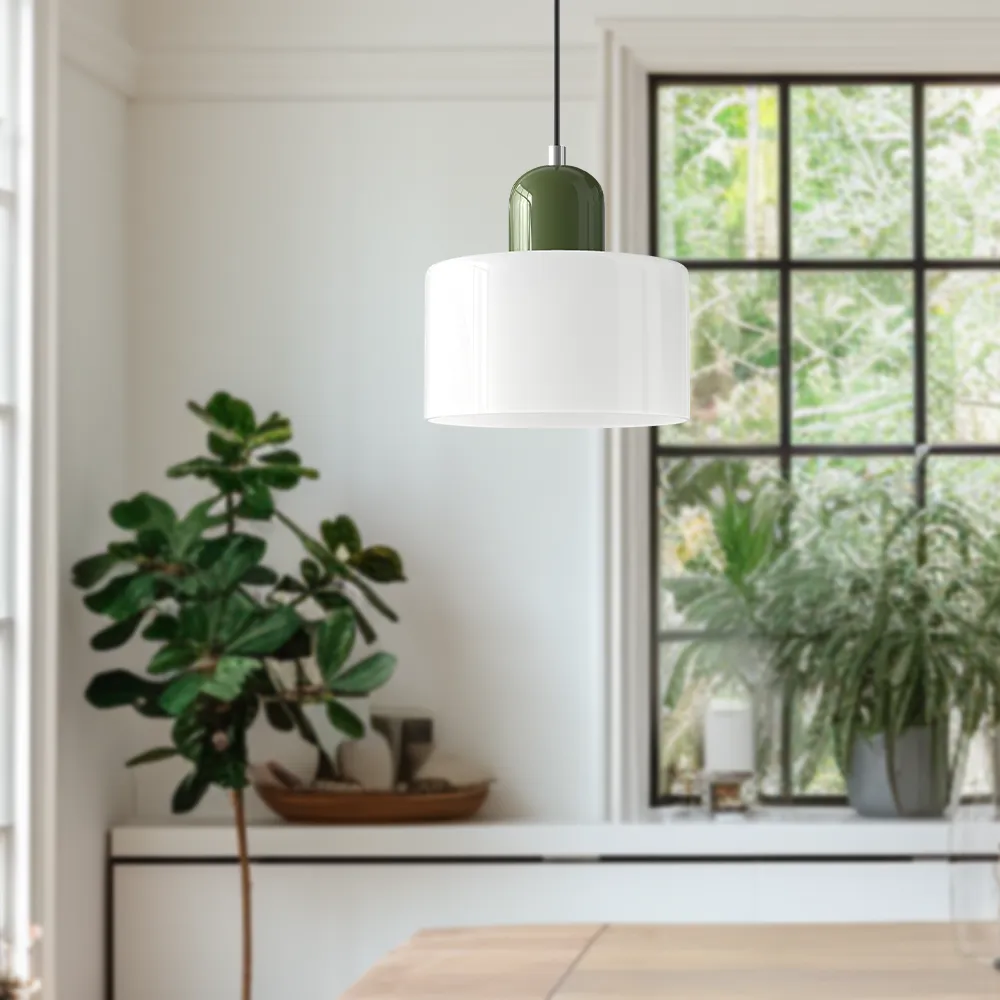
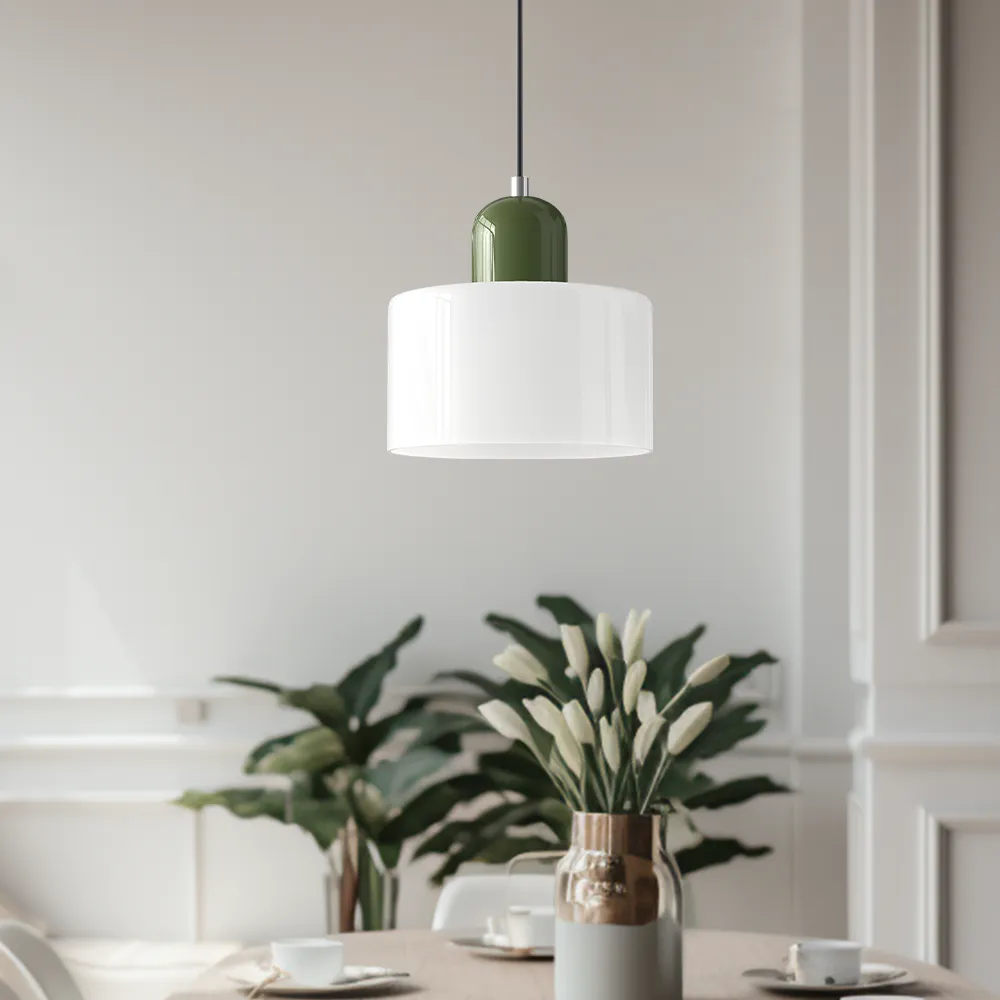
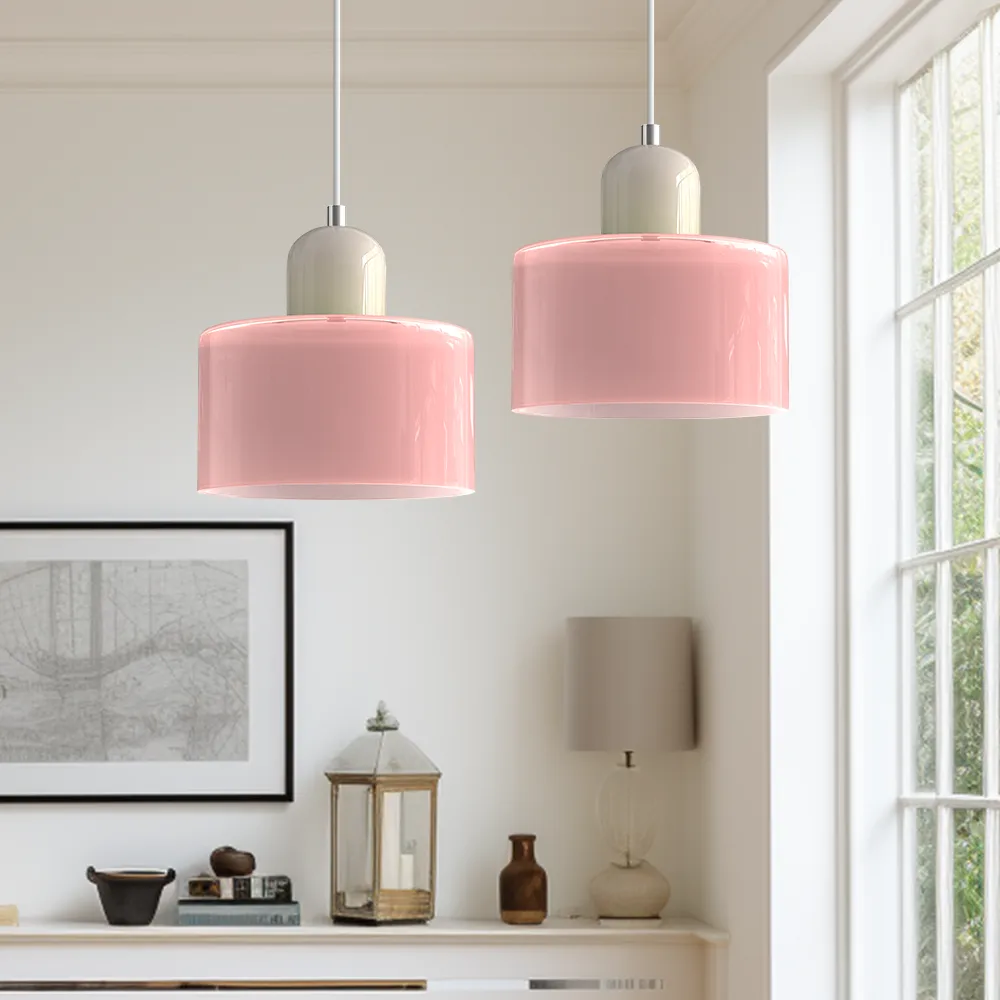
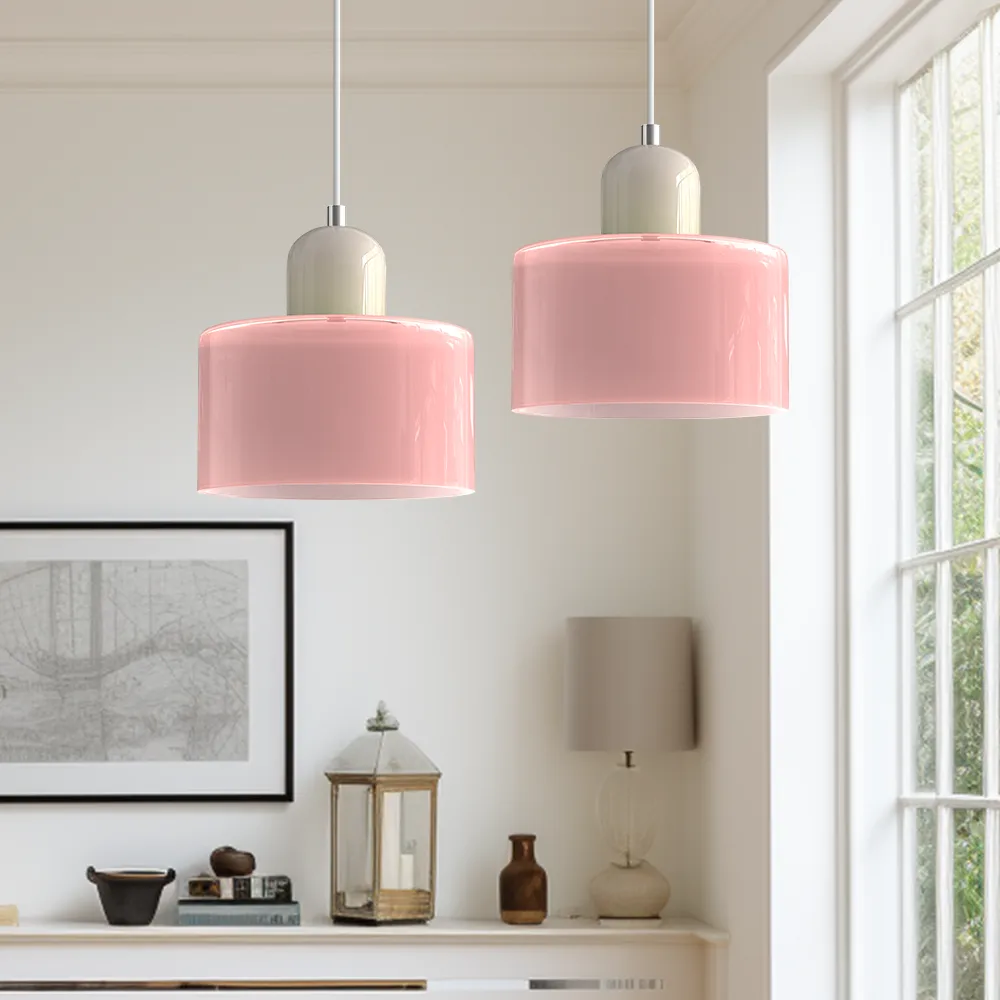
이 가이드에서는 컴팩트한 바우하우스 노르딕 모란디 원통형 유리 펜던트 조명을 실제 예시로 사용합니다. 수작업으로 불어 만든 이 유리 갓은 지름 약 15cm(5.9인치), 높이 약 17cm(6.7인치)로, 작은 펜던트 조명 배치를 설명하기에 적합합니다. 이 공식은 실제 지름을 대입하면 다른 조명 기구에도 적용할 수 있습니다.
1. 섬과 작업 구역을 먼저 측정하십시오.
캐비닛 박스가 아닌 완성된 조리대 상판을 측정하세요. 아일랜드의 길이, 사용 가능한 너비, 돌출부, 그리고 스툴이나 준비 공간의 위치를 기록해 두세요. 한쪽 끝에 싱크대, 쿡탑 또는 높은 수도꼭지가 있다면, 그 부분을 실질적인 경계로 표시하세요. 펜던트 조명은 캐비닛 박스 길이보다는 주요 시각적 및 작업 영역의 중앙에 배치하는 것이 좋을 수 있습니다.
다음으로, 펜던트 조명이 어떤 역할을 해야 하는지 결정하세요. 식사 공간으로 사용되는 아일랜드 식탁에는 촘촘하고 장식적인 조명을 여러 개 배치하는 것이 좋습니다. 반면, 재료를 손질하거나 숙제를 하거나 음식을 서빙하는 용도로 사용되는 아일랜드 식탁에는 앉은 사람의 시야를 가리는 그림자 없이 고르게 빛이 퍼지도록 조명을 배치해야 합니다. 작은 펜던트 조명은 특히 활용도가 높지만, 크기가 작기 때문에 배치를 통해 시각적인 효과를 극대화해야 합니다.
단위 확인: 미터법과 영국식 단위를 번갈아 사용할 때는 NIST에서 제시하는 인치와 피트 변환 계수 를 정확하게 사용하십시오. 6피트는 72인치, 즉 약 1.83m입니다. 6인치 셰이드는 약 15.24cm입니다.
2. 조리대에서 가장 낮은 지점까지의 높이를 설정하세요.
조리대 표면에서 갓의 가장 낮은 부분까지의 높이를 측정하세요. 전선만 측정하지 마시고, 천장을 기준으로 삼지 마세요. 일반적인 가정에서는 조리대 위 76~91cm(30~36인치) 정도가 적당합니다. 이 높이는 음식 준비와 대화 공간을 확보하면서도 아일랜드 식탁과 잘 어우러져 편안한 느낌을 줍니다.
범위는 엄격한 규정 요구 사항이 아닌 적합성 테스트 용도로 사용하십시오. 키가 큰 가족 구성원이 조명 아래에 자주 서 있거나, 아일랜드 식탁이 거실의 주요 시선 지점이거나, 짙은 색의 조명이 대화를 방해하는 경우에는 가장 낮은 지점을 높이십시오. 천장이 유난히 높아 아일랜드 식탁을 더욱 돋보이게 하는 시각적 기준점이 필요한 경우에는 앉거나 서 있을 때의 시선이 방해받지 않는 한도 내에서 가장 낮은 지점을 약간 낮추십시오.
모란디 조명을 설치할 경우, 17cm 높이의 본체를 포함하여 전체 높이를 계산해야 합니다. 조리대에서 갓 하단까지의 목표 높이가 34인치(약 86cm)라면, 갓 위쪽의 걸이 지점은 조명기구 전체 높이와 캐노피를 모두 고려해야 합니다. 사다리를 이용해 확인하는 것보다 갓 지름에 맞춰 자른 골판지 원통을 이용해 확인하는 것이 더 좋습니다. 아일랜드 식탁에 서서, 의자에 앉아, 방 반대편을 바라보면서 높이를 확인하세요. 
3. 섬 길이에서 수량을 선택하세요
조명 개수는 밝기보다 비율을 먼저 고려해야 합니다. 짧은 아일랜드 식탁이나 1.2~1.5미터 길이의 조리대에는 작은 펜던트 조명 하나만 의도적으로 설치할 수 있습니다. 하지만 긴 아일랜드 식탁에는 15cm 크기의 펜던트 조명 하나만으로는 전체적인 구성보다는 점처럼 보일 수 있습니다. 두세 개의 조명을 설치하면 크고 무거운 조명기구 없이도 아일랜드 식탁의 길이를 따라 빛이 자연스럽게 퍼지도록 할 수 있습니다.
| 섬 길이 | 시작 수량 | 확인해야 할 사항 |
|---|---|---|
| 6피트 / 72인치 | 2 | 두 개의 중앙 공간은 양쪽 끝 안쪽에 편안하게 배치하세요. 섬이 좁으면 세 번째 중앙 공간이 복잡해 보일 수 있습니다. |
| 7피트 / 84인치 | 2개 또는 3개 | 차분한 분위기를 원하시면 두 개를 선택하고, 아일랜드 식탁의 폭이 넓거나 좌석이 여러 개 있는 경우에는 세 개를 선택하세요. |
| 8피트 / 96인치 | 3 | 일반적으로 세 개의 조명기구는 서로 멀리 떨어져 있는 두 개의 조명기구보다 작은 빛을 더 고르게 퍼뜨립니다. |

이것들은 시작점일 뿐, 동일한 광량을 보장하는 것은 아닙니다. 모란디 램프는 E27 소켓 전구를 사용하며, 제품 페이지에는 최대 40W까지 사용 가능하고 전구는 포함되어 있지 않다고 명시되어 있습니다. 최종 밝기는 선택하는 전구, 갓의 마감, 그리고 방 안의 다른 조명 요소에 따라 달라집니다. 전구를 선택할 때는 전체적인 비율을 고려한 후, 시야 확보 및 눈부심 테스트를 거쳐 적절한 전구를 선택하세요.
작고 다채로운 조명 클러스터를 계획 중이신가요? 레이아웃을 구상하기 전에 모란디 원통형 유리 펜던트 조명의 사양(지름 15cm, 높이 17cm, E27 소켓, 다양한 색상 조합, 실내 사용 가능 여부)을 확인해 보세요.
4. 중심 간격 및 끝단 여유 공간 계산
먼저, 각 아일랜드 끝에서 가장 가까운 펜던트 조명 중심까지의 거리인 여유 공간을 확보하세요. 작은 펜던트 조명의 경우 30~45cm(12~18인치) 정도가 적절한 설계 기준입니다. 아일랜드 폭이 넓거나, 돌출부가 깊거나, 한쪽 끝에 싱크대가 있는 경우에는 더 많은 여유 공간이 필요할 수 있습니다. 핵심은 조명을 설치하고 싶은 아일랜드 부분을 중심으로 대칭을 이루는 것입니다.
펜던트 두 개 사이의 중심 간 거리는 다음과 같습니다.
island length - left end clearance - right end clearance
펜던트 세 개를 설치하려면 남은 길이를 중심 간 거리가 같은 두 개의 공간으로 나눕니다.
(island length - 2 x end clearance) / 2
중심 간 거리와 유리 갓 사이의 실제 간격을 혼동하지 마세요. 15cm 모란디 갓의 경우, 중심 간 거리에서 15cm를 빼면 갓 가장자리 사이의 간격을 추정할 수 있습니다. 이 간단한 뺄셈으로 중심선을 넉넉하게 측정했지만 갓이 거의 닿을 정도로 좁아지는 흔한 실수를 방지할 수 있습니다.
예시 문제: 7피트 섬
7피트 길이의 아일랜드 식탁은 84인치입니다. 펜던트 조명 3개를 선택하고 양쪽 끝에 15인치씩 여유 공간을 두면 가운데 두 개의 조명 사이 간격은 (84 - 30) / 2 = 27 inches 가 됩니다. 6인치 갓을 사용하면 투명 유리 사이의 간격은 약 21인치가 됩니다. 이렇게 하면 세 개의 조명이 연결된 것처럼 보이지만, 갓이 마치 하나의 연속된 막대처럼 보이지는 않습니다. 
5. 조명, 눈부심 및 일상적인 사용 환경을 확인하세요.
펜던트 조명을 켠 상태에서 메인 조리 위치에 서세요. 그런 다음 모든 의자에 앉아보세요. 갓이 시선이 가장 강하게 받는 곳에 직접 위치해서는 안 되며, 전구의 가장 밝은 부분이 주방을 바라볼 때 가장 먼저 눈에 띄어서도 안 됩니다. 유리 갓이 너무 밝게 느껴진다면 전체 조명을 너무 높이 옮기기보다는 출력이 낮은 E27 LED 전구를 사용하거나 빛을 더 부드럽게 확산시키는 마감을 선택하세요.
광택이 나는 캐비닛 문, 창문, 광택이 나는 가전제품, 그리고 근처 텔레비전에 비치는 반사광도 확인해 보세요. 작은 펜던트 조명은 꺼져 있을 때는 눈에 잘 띄지 않지만 어두운 곳에 반사되면 의외로 두드러져 보일 수 있습니다. 주방을 가장 많이 사용하는 시간대에 테스트해 보세요. 낮에는 햇빛 때문에 식사 후 생기는 눈부심이 가려질 수 있습니다. 
6. 천장 및 전기 배선도를 확인하십시오.
드릴 작업을 하기 전에 접속함의 위치를 확인하고 천장 재질을 점검한 후, 세 개의 전선이 안전하게 지지될 수 있는지 판단하십시오. 경사진 천장의 경우, 호환되는 캐노피나 다른 설치 방식이 필요할 수 있습니다. 제품 페이지에는 AC 110-240V 및 실내 사용 가능 여부가 명시되어 있지만, 이는 해당 지역의 건축법규 준수 여부를 보장하는 것은 아닙니다.
조명이 어두워지거나, 스위치에서 윙윙거리는 소리가 나거나, 차단기가 자주 떨어지는 등의 경고 신호를 주의 깊게 살펴보세요. 국제전기안전재단(Electrical Safety Foundation International)의 가정용 전기 안전 지침 에서는 가정용 전기 시스템에 과부하가 걸렸거나 새로운 회로가 필요한 경우 자격을 갖춘 전기 기술자에게 점검을 의뢰할 것을 권장합니다. 특히 펜던트 조명을 여러 개 추가하는 고정 배선 작업은 반드시 면허를 소지한 전문가에게 맡기세요. 
종이 템플릿이 높이, 끝단 간격 및 시선 검사를 통과하면 Morandi 제품 페이지 에서 선택한 마감재 및 주문 세부 정보를 비교할 수 있습니다.
7. 5분 만에 푸는 종이 템플릿 테스트
- 종이 원형 하나는 실제 전등갓 지름에 맞춰 자르고, 띠 하나는 계획된 전등갓 높이에 맞춰 자릅니다.
- 원하는 중심점에 맞춰 원을 천장이나 임시 게시판에 테이프로 붙이세요.
- 주방을 둘러보고, 모든 의자에 앉아보고, 거실 쪽으로 보이는 풍경을 확인해 보세요.
- 서랍을 열고, 아일랜드 식탁에 서빙 보드를 놓고, 작업 공간이 시각적으로 막히지 않는지 확인하세요.
- 전기기사에게 최종 콘센트 설치를 요청하기 전에 끝부분의 여유 공간이나 콘센트 수량을 조정하십시오.
자주 묻는 질문
주방 아일랜드 위에 펜던트 조명을 얼마나 높이 설치해야 할까요?
갓의 아랫부분이 조리대에서 76~91cm(30~36인치) 위에 오도록 설정한 후, 서 있을 때와 앉아 있을 때의 시야각에 맞춰 조절하십시오.
6피트 아일랜드 식탁에는 펜던트 조명이 몇 개나 어울릴까요?
작은 펜던트 조명 두 개가 실용적인 시작점입니다. 좁은 공간에 세 번째 조명을 달면 답답해 보일 수 있습니다.
지름 6인치는 아일랜드 식탁으로 너무 작을까요?
두세 개를 의도적으로 간격을 두고 배치하면 그렇지 않습니다. 긴 아일랜드 식탁 위에 놓으면 하나가 작아 보일 수 있습니다.
간격은 갓의 가장자리에서부터 측정해야 할까요?
먼저 중심점을 맞춘 다음, 갓의 지름을 빼서 가장자리 사이의 간격을 구합니다.
모란디 펜던트 조명에는 전구가 포함되어 있나요?
아니요. E27 전구를 사용하며, 제품 설명에 최대 40W라고 명시되어 있습니다.
계획 시 유의사항: 본 안내서에 제시된 높이 및 간격 범위는 주거용 건물 배치에 대한 실용적인 출발점일 뿐이며, 지역 전기 규정 또는 현장 평가를 대체하는 것은 아닙니다.