The Invisible Layer: How Glass Fixtures Add Depth to Your Home
In interior design, we often talk about "weight." A heavy oak table has high visual weight; a thin metal chair has low visual weight. But there is a third category that designers use to create magic in a room: Transparency.
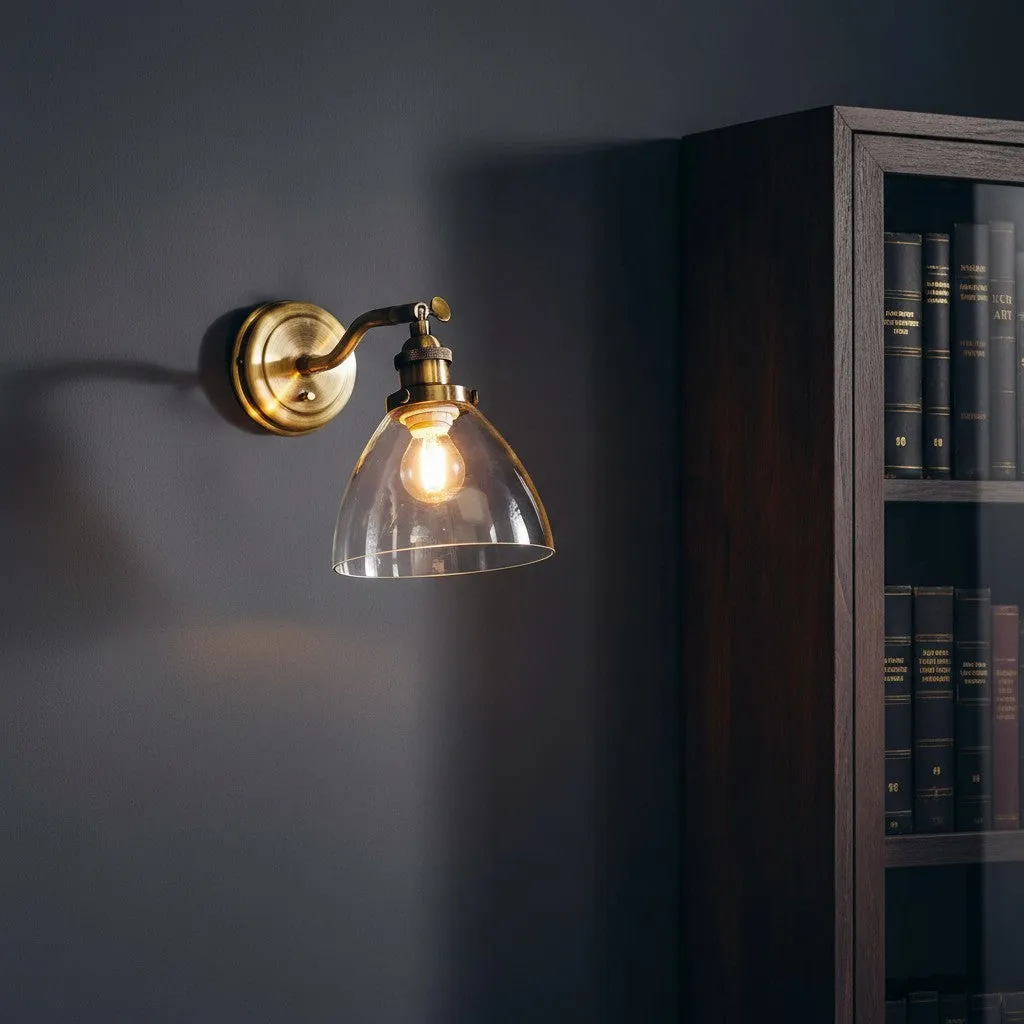
Glass is the only material that allows a light fixture to occupy space physically without crowding it visually. When you choose a piece like the Griffin Industrial Adjustable Glass Wall Lamp, you aren't just adding a source of light; you are adding a sophisticated layer of texture that works with the existing colors and lines of your room rather than competing against them.
1. The Concept of "Sightline Continuity"
One of the biggest mistakes in small or medium-sized rooms is using opaque lampshades that act as "visual blocks." When your eye moves across a room and hits a solid fabric shade, the space feels like it stops there. Glass, however, maintains "sightline continuity."
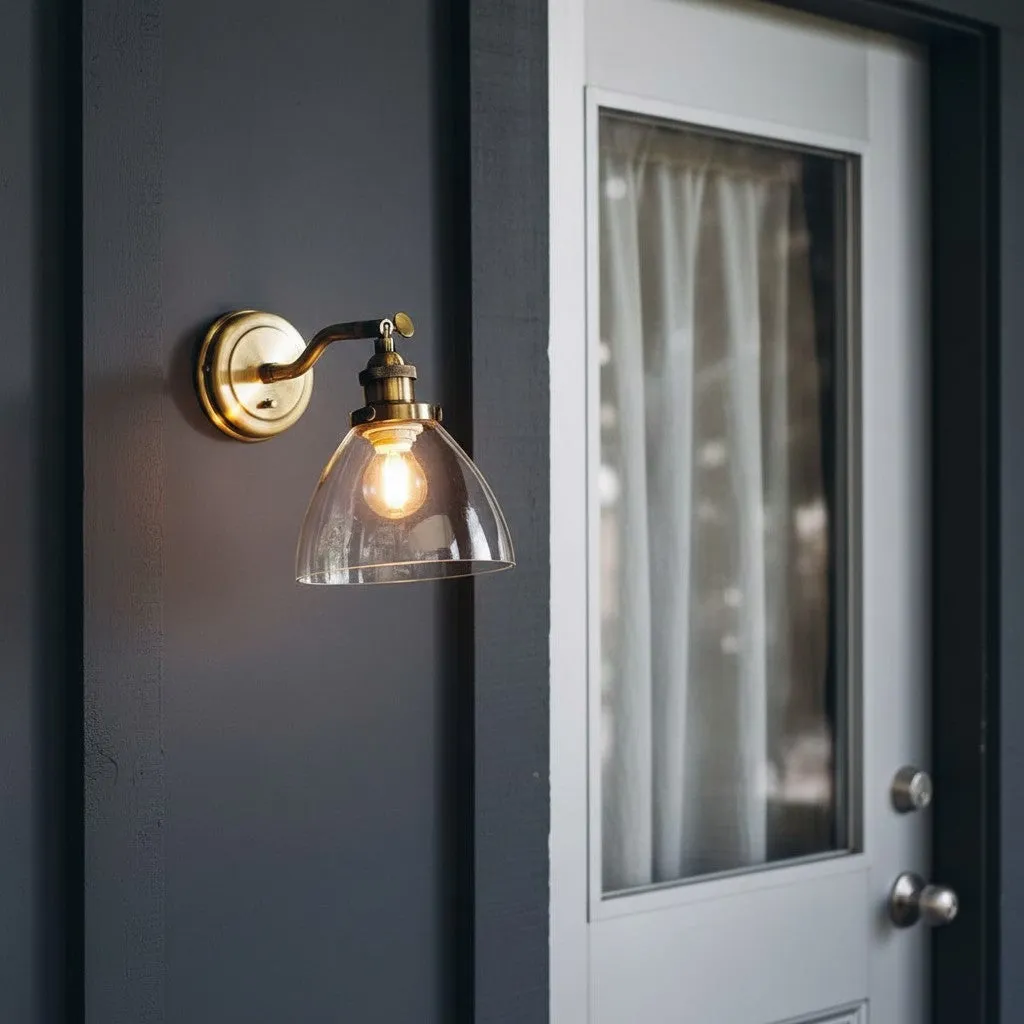
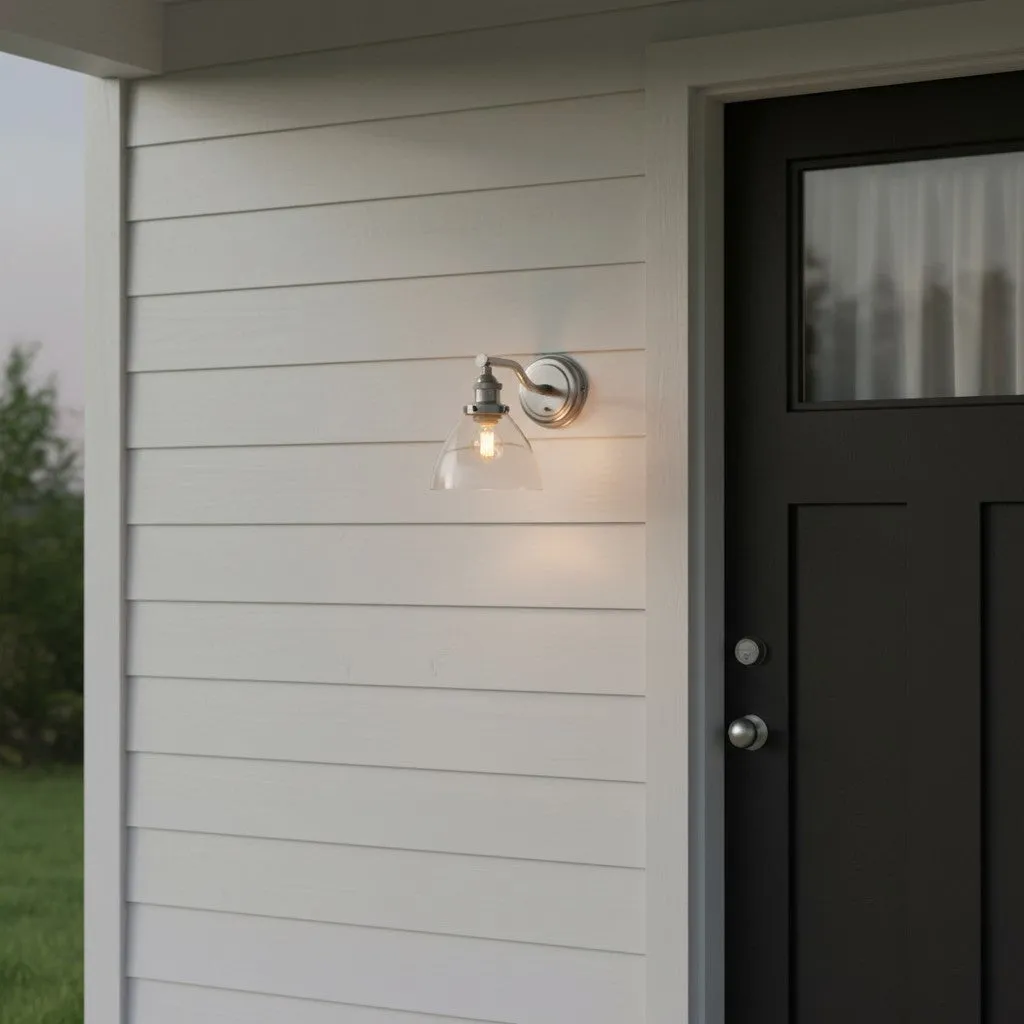
Because the Griffin Industrial Lamp features a crystal-clear glass bell, it allows the eye to travel through the fixture to the wall behind it. This creates a sense of depth and layers. It makes a narrow hallway feel wider and a cozy reading nook feel expansive. You get the industrial character of the brass or black hardware without the "heavy" feeling of a solid metal dome. Utilizing transparent materials in this way is a masterclass in how to make a small space look more spacious through lighting layout, as it removes visual barriers and allows light to flow uninterrupted across the entire room.
![glass-shade-light-refraction-detail]](https://www.hozo.it/media/custom_906/37/image/2026/04/10/b2a603937362c23cf58fdd1eb68b1cdb.jpeg)
2. Playing with Light and Shadow
Opaque shades direct light in one or two directions—usually up and down. Glass shades, like the one on the Griffin, provide 360-degree illumination. This fills the room with a soft, ambient glow that eliminates harsh shadows in the corners of your ceiling.
Furthermore, the glass itself becomes a decorative element. At night, the bulb inside (especially if you use a vintage Edison-style bulb) becomes the star of the show. During the day, the glass catches natural sunlight, creating tiny glints of "jewelry" for your walls. It adds a polished, high-end feel that fabric or plastic simply cannot replicate.
3. Material Contrast: Metal vs. Glass
Layering isn't just about where things sit in a room; it’s about the mix of materials. The Griffin lamp is a masterclass in contrast. You have the "hard" industrial mechanical parts—the adjustable joints, the mounting plate, the knurled screws—paired with the "soft" fragility of the glass.
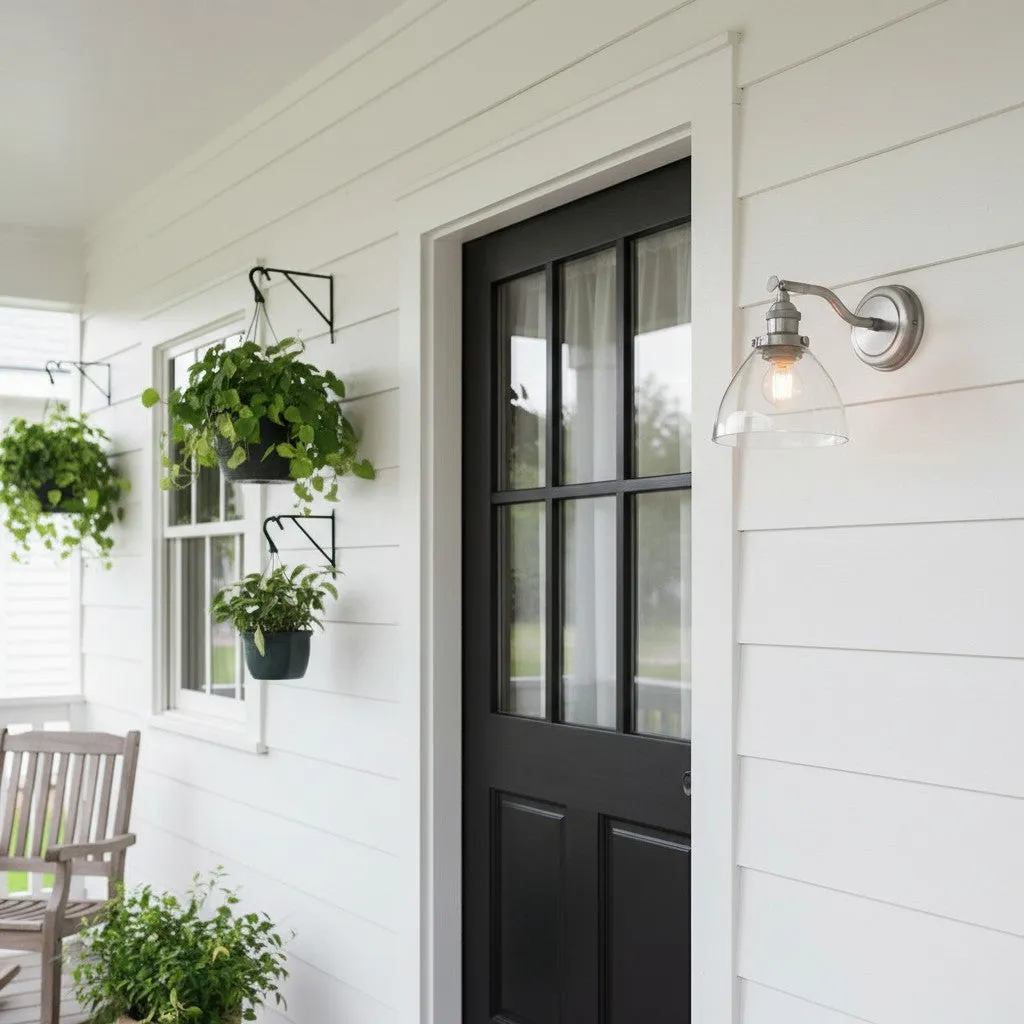
This contrast creates visual interest. In a modern farmhouse or an urban loft, this mix of textures prevents the room from feeling one-dimensional. It tells a story of craftsmanship and utility. Following this Creative Guide to Industrial Metal Lighting allows you to embrace the raw beauty of exposed hardware while ensuring your space remains balanced, sophisticated, and intentionally designed.
4. Choosing the Right Bulb for the Layer
Because the glass is clear, your choice of bulb is essentially part of the lamp's design. To maximize the "visual layers" effect, I always recommend a warm-filament LED bulb. The orange glow of the filament through the clear glass creates a warm "inner layer" that feels incredibly cozy and inviting, perfect for bedside lighting or a living room accent.
Elevate Your Perspective
The beauty of the Griffin collection is its ability to blend in while standing out. It doesn't scream for attention, yet its presence completes a room's architectural profile. If you are looking to break up the "flatness" of your walls and add a professional designer's touch, glass is the way to go.
Discover Industrial Elegance
Ready to add depth and clarity to your home design? The Griffin Industrial Adjustable Glass Wall Lamp is waiting to transform your space.
Shop the Griffin Collection