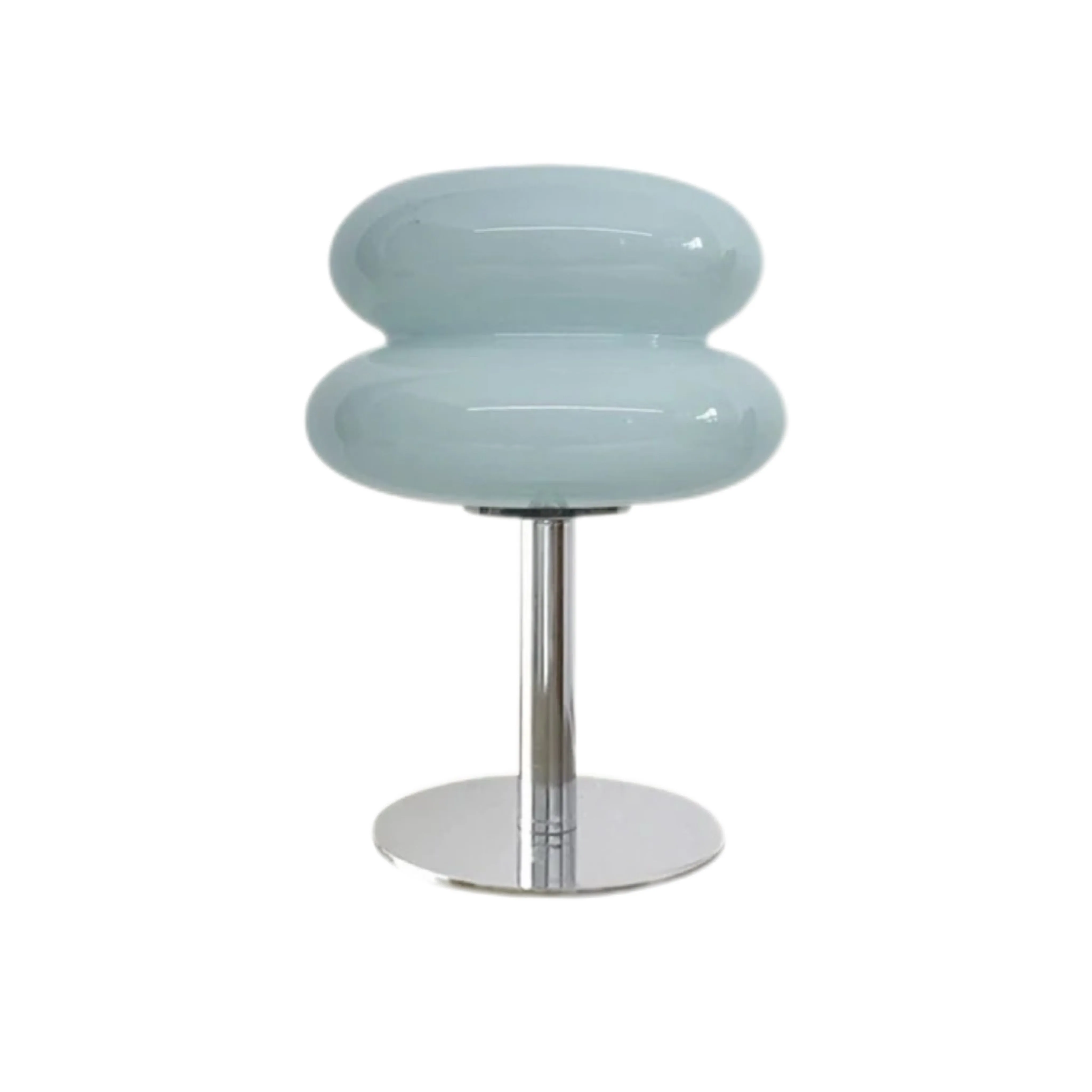
Lampada da tavolo o da terra? La scelta migliore per un soggiorno piccolo
Scegli prima una lampada da tavolo quando hai già un tavolino stabile o una consolle e desideri luce, colore e un interruttore facilmente raggiungibile in un'unica zona compatta. Scegli una lampada da terra quando lo spazio sulle superfici è scarso, la luce deve arrivare sopra o dietro i posti a sedere oppure ti serve una sorgente più alta. Nella maggior parte dei soggiorni piccoli con un tavolino già utilizzabile, la lampada da tavolo è il primo livello più efficiente perché non aggiunge un nuovo ingombro a pavimento.
Verdetto breve
Scelta predefinita migliore: una lampada da tavolo compatta su un mobile che ti serve già. Migliore eccezione: una lampada da terra sottile quando ogni piano d'appoggio è già molto utilizzato o la disposizione dei posti a sedere non offre una superficie adatta. Non confrontare soltanto le basi delle lampade; confronta l'intera zona, includendo tavolino, paralume, cavo, percorso di passaggio e oggetti che devono rimanere accessibili.
A confronto: cosa cambia in una stanza piccola?
| Fattore di scelta | Lampada da tavolo | Lampada da terra |
|---|---|---|
| Ingombro reale | Occupa spazio sul tavolo, ma può non aggiungere superficie a pavimento se il mobile esiste già | Occupa una zona dedicata a pavimento, oltre allo spazio libero necessario per base e paralume |
| Altezza della luce | Luce più bassa e intima vicino alle attività da seduti | Luce più alta che può arrivare sopra o dietro i posti a sedere |
| Effetto sulla superficie | Può affollare libri, bicchieri e comandi | Conserva libero lo spazio sul tavolo |
| Mobilità | Facile da provare su diverse superfici stabili | Spostabile, ma limitata da base, equilibrio e percorsi di passaggio |
| Ruolo visivo | Crea una composizione focale compatta | Aggiunge altezza e può riempire un angolo verticale vuoto |
| Ideale per | Luce sulla consolle, atmosfera accanto al divano, piccole zone lettura | Posti a sedere senza tavolino, angoli alti, luce proveniente da dietro una poltrona |

Cosa richiede davvero una lampada da tavolo
Una lampada da tavolo non è priva di ingombro. Ha bisogno di una superficie stabile abbastanza profonda per contenere tutta la base, spazio libero attorno al paralume, un interruttore raggiungibile e un percorso del cavo che non attraversi un cassetto o un passaggio. Il vantaggio emerge quando il mobile di supporto appartiene già alla stanza.
Il livello di luce più basso è naturalmente conviviale e rilassato. Può illuminare un libro, ammorbidire il bordo di un divano e trasformare una consolle in un punto focale. Un paralume in vetro offre inoltre una luminosità visibile, aiutando una stanza piccola ad avere più livelli senza riempire un angolo con un oggetto alto.
La lampada da tavolo in vetro Marta Modern Bauhaus misura circa 20 cm di diametro e 28 cm di altezza. Segna questo ingombro sulla superficie che possiedi già per capire se l'opzione da tavolo fa davvero risparmiare spazio.
Cosa cambia con una lampada da terra
Una lampada da terra separa la luce dallo spazio di appoggio. Può stare dietro un divano o una poltrona, portare la luce sopra l'altezza degli occhi da seduti e dare struttura verticale a un angolo spoglio. È utile quando manca un tavolino o quando quello disponibile serve per gli oggetti di ogni giorno.
Il compromesso è una zona dedicata a pavimento. La base deve rimanere completamente libera e stabile, il paralume non può bloccare un percorso e il cavo ha comunque bisogno di una strada sicura verso la presa. Uno stelo visivamente sottile non garantisce un ingombro pratico ridotto: misura la parte più larga della base e del paralume, poi apri ante, cassetti e poltrone reclinabili durante la prova.
La prova dei due ingombri
- Segna con la carta la base proposta della lampada da tavolo sul tavolo reale.
- Colloca attorno il telefono, un libro, un bicchiere, il telecomando e gli altri oggetti quotidiani.
- Segna sul pavimento la base proposta della lampada da terra e includi la sporgenza del paralume.
- Percorri il tragitto abituale, apri i mobili vicini e siediti su ogni posto.
- Scegli l'opzione che protegge lo spazio di lavoro più prezioso.

Questa prova evita un confronto falsato comune: la lampada da tavolo viene giudicata soltanto per la base piccola, ignorando il tavolo di cui ha bisogno, oppure la lampada da terra soltanto per lo stelo sottile, ignorando la base e il paralume più ampi.
Scegli una lampada da tavolo quando queste condizioni sono vere
- Hai già un tavolino stabile, una consolle o una mensola profonda nella posizione corretta.
- Vuoi luce vicino al divano, a un libro, a un bicchiere o a una zona di conversazione.
- L'interruttore deve essere raggiungibile dal posto a sedere.
- Un paralume colorato o in vetro può fungere da punto focale compatto della stanza.
- La base segnata lascia abbastanza superficie libera per l'uso quotidiano.
Se scegli questa soluzione, la guida Quanto deve essere luminosa una lampada da tavolo in soggiorno? aiuta ad abbinare la potenza della lampadina al paralume, alla distanza e all'attività, invece di indovinare basandosi soltanto sui watt.
Scegli una lampada da terra quando queste condizioni sono vere
- I posti a sedere non hanno una superficie adatta e aggiungere un tavolino occuperebbe troppo spazio.
- La luce deve arrivare dall'alto o da dietro una poltrona.
- I piani d'appoggio devono rimanere completamente disponibili per riporre oggetti o per l'uso quotidiano.
- Un angolo vuoto ha più bisogno di altezza verticale che di un altro oggetto decorativo basso.
- Base, paralume, interruttore e cavo liberano tutti il percorso di passaggio.
Una lampada da terra può comunque avere bisogno di una sorgente di supporto più piccola altrove. Per uno schema serale equilibrato, la guida Come creare una luce d'ambiente accogliente con le lampade da tavolo spiega come far lavorare insieme sorgenti basse e alte senza rendere uniformemente luminosa la stanza.
Se il tavolo esistente supera la prova dell'ingombro, confronta i colori del vetro e la forma compatta della Marta sulla pagina del prodotto attuale prima di aggiungere una lampada da terra separata.
Materiali, pulizia e uso quotidiano
Le lampade da tavolo vengono toccate più spesso perché l'interruttore è vicino e la superficie viene usata ogni giorno. Il vetro può mostrare polvere e impronte, mentre una base in metallo si pulisce generalmente con facilità. Una lampada da terra può essere toccata meno, ma la base e lo stelo raccolgono polvere a livello del pavimento e possono essere urtati durante le pulizie o gli spostamenti intorno al divano.
Nessuno dei due tipi vince automaticamente sul piano della manutenzione. Scegli quello che puoi raggiungere senza spostare mobili pesanti e lascia spazio sufficiente per pulire attorno a paralume, base e cavo. In una stanza piccola, l'accesso scomodo rischia di diventare un fastidio a lungo termine più del materiale in sé.
Raccomandazione finale: proteggi la superficie più scarsa
Inizia con una lampada da tavolo se la stanza ha già una superficie utile e la prova con il cerchio di carta da 20 cm lascia quella superficie funzionale. Crea una luce più bassa e accogliente e offre un elemento decorativo senza occupare un'altra porzione di pavimento. Scegli invece una lampada da terra quando il piano diventerebbe inutilizzabile o non esiste una superficie stabile vicino ai posti a sedere.
Dopo aver scelto il tipo di apparecchio, è ancora il posizionamento a determinare se funziona. La guida Dove posizionare le lampade da tavolo in soggiorno: 7 errori da evitare mostra come correggere lampadine esposte, linee di visuale bloccate, zone luminose isolate e cavi che compromettono una disposizione compatta.
Quando vince l'opzione da tavolo, verifica i requisiti della lampadina E27 di Marta, l'interruttore non dimmerabile, il cavo da 150 cm e le dimensioni nella scheda Marta come controllo finale di compatibilità.
Domande frequenti
Una lampada da tavolo fa risparmiare più spazio di una lampada da terra?
Può farlo quando utilizza un mobile già presente nella stanza. Altrimenti includi il tavolo nel confronto degli ingombri.
Quale lampada è migliore accanto a un divano?
Una lampada da tavolo è adatta a un tavolino già presente; una lampada da terra è adatta a posti a sedere senza tavolino.
Quale crea una luce più accogliente?
Le lampade da tavolo creano naturalmente una zona luminosa più bassa, ma paralume, lampadina e posizione contano più del tipo in sé.
Posso usare entrambe in un soggiorno piccolo?
Sì, se ciascuna ha una funzione distinta e nessuna blocca superfici o percorsi.
Come confronto i loro ingombri reali?
Segna l'intera zona del tavolo e l'intera zona della base a pavimento, poi prova gli oggetti quotidiani e i movimenti.