Lighting is often called the "jewelry" of interior design. Just as the right necklace can transform an outfit, the right light fixture can turn a cold, sterile room into a warm, inviting sanctuary. However, walking into a lighting showroom or browsing online can be overwhelming. With thousands of options—from industrial pendants to mid-century chandeliers—how do you find the "one" that fits your home's DNA?
As lighting experts, we know that great design isn't just about what looks good in a catalog; it’s about how that light interacts with your furniture, your wall textures, and your daily life. In this guide, we will break down the essential lighting styles and show you how to choose fixtures that balance form and function perfectly.
1. Define Your Home’s Architectural Language
Before you pick a finish, look at the "bones" of your home. Is your space characterized by the clean, sharp lines of a modern loft, or the crown molding and heavy wood of a traditional estate? Your lighting should either complement these lines or provide a deliberate, artistic contrast.
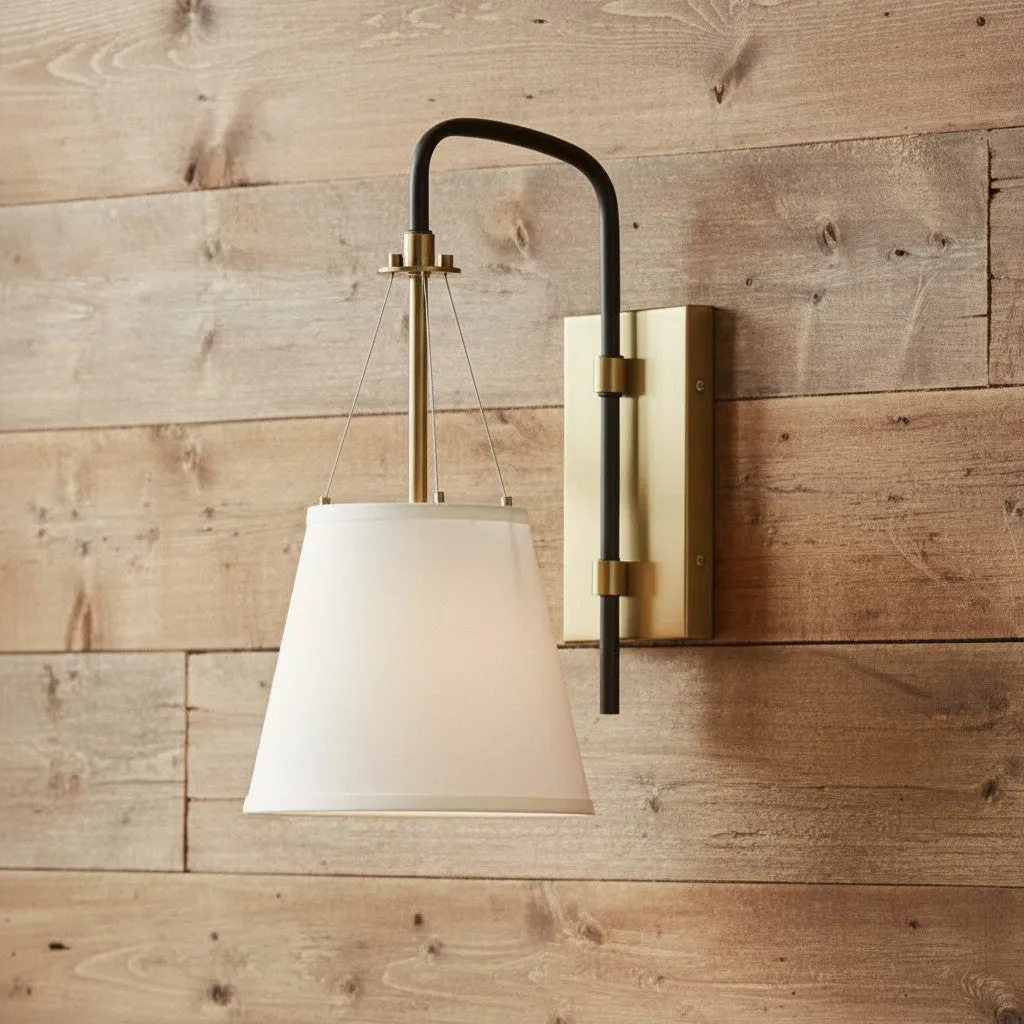
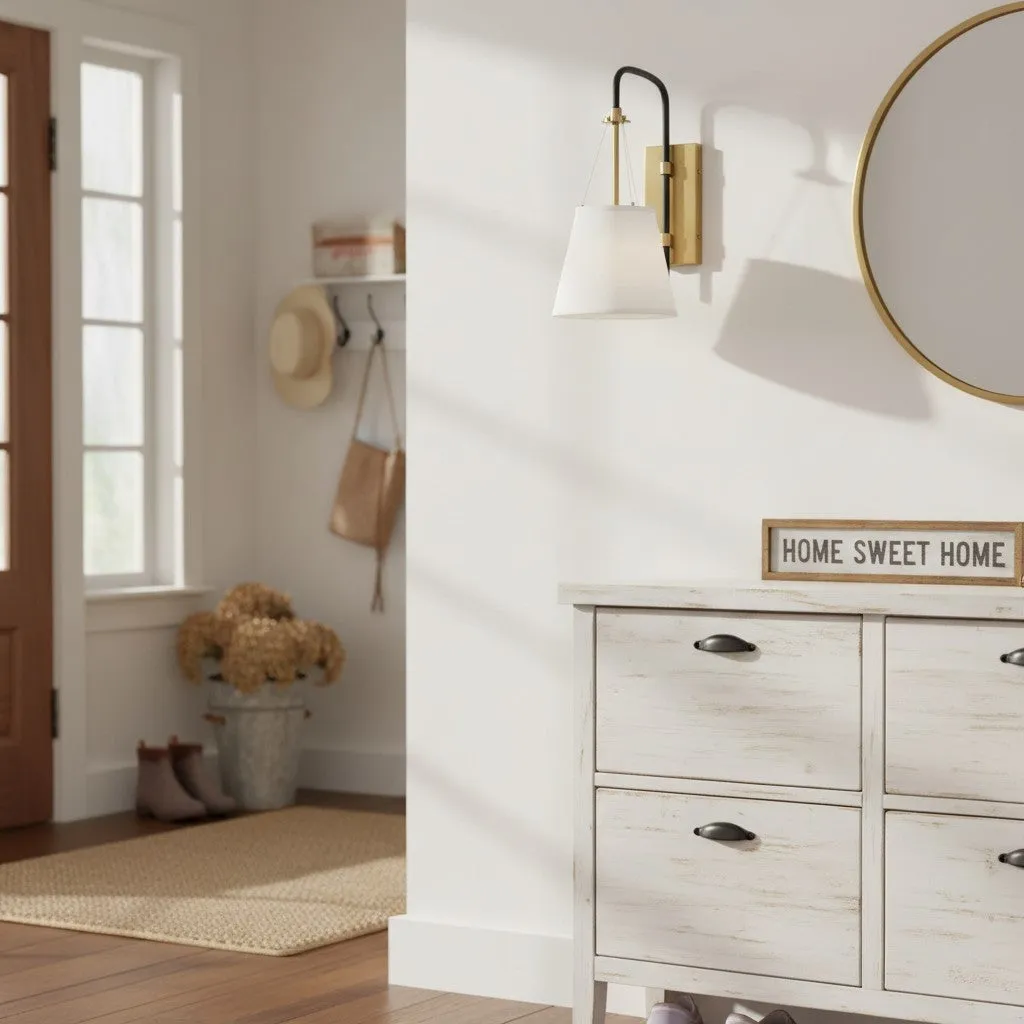
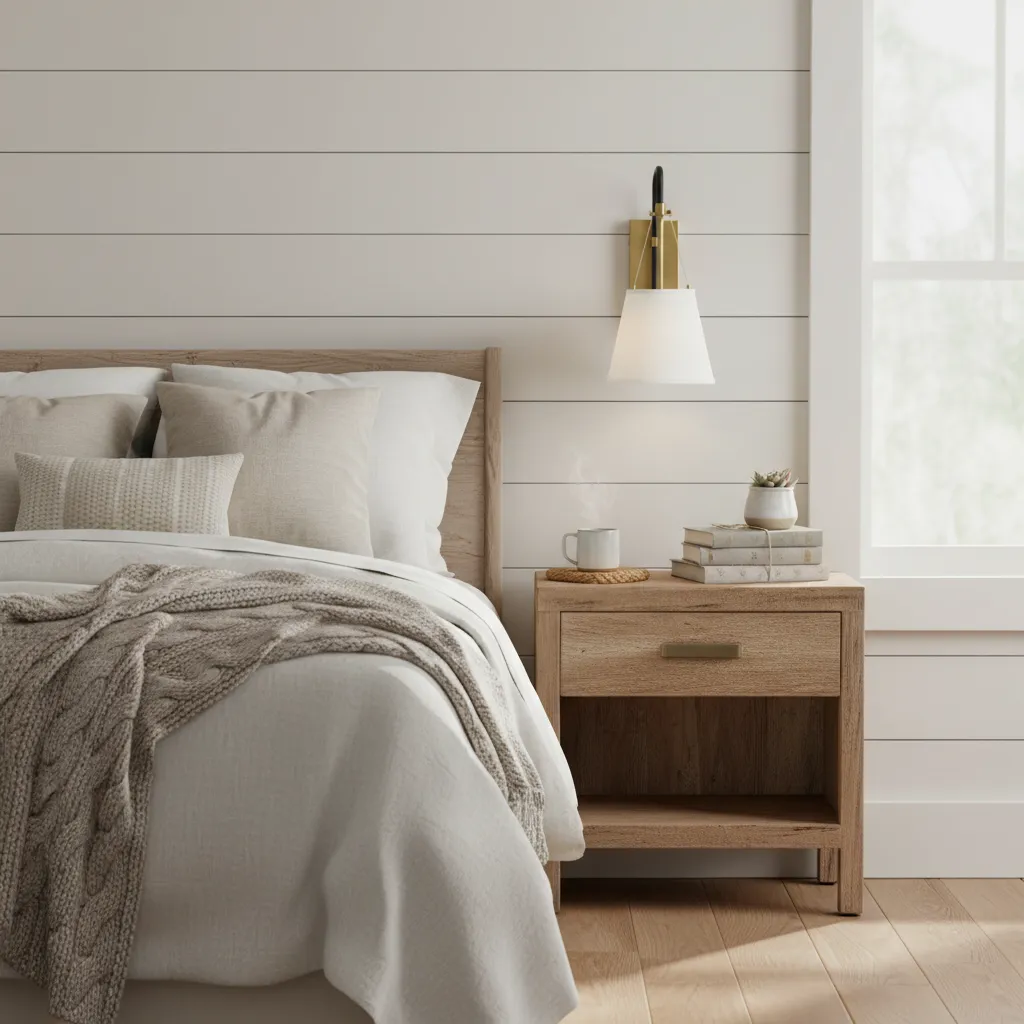
For modern and transitional homes, the Isabella Modern Metal Linen Wall Sconce is a premier choice. Its structure utilizes a sophisticated metal frame that speaks to contemporary architecture, while the linen shade softens the look, making it versatile enough for almost any setting. You can find this balance of strength and softness here: Isabella Modern Metal Linen Wall Sconce.
2. The Core Lighting Styles Explained
Modern & Contemporary
Modern lighting focuses on "less is more." You will see a lot of geometric shapes, matte or brushed finishes, and a lack of ornate clutter. The goal is to create a sense of space and airiness. Look for fixtures that use high-quality materials like linen and steel to convey luxury through simplicity.
Mid-Century Modern (MCM)
This style is all about the 1950s and 60s vibe. Think "Sputnik" chandeliers and tapered legs. MCM lighting often uses brass finishes and organic, flowing shapes. It’s perfect for adding a vintage soul to a new construction home.
Industrial
Inspired by factories and warehouses, this style uses raw materials like unfinished wood, Edison bulbs, and heavy iron. It’s bold and masculine, often working best in kitchens or basements with exposed brick or concrete.Explore more industrial lighting—Creative Guide to Industrial Metal Lighting.

3. The Secret to Professional Lighting: Layering
A common mistake homeowners make is relying on a single overhead light. To achieve a "designer" look, you must layer your lighting. This involves three specific types:
- Ambient Lighting: Your general light source (usually ceiling lights).
- Task Lighting: Focused light for activities like reading or cooking.
- Accent Lighting: Light used to highlight architectural features or artwork.
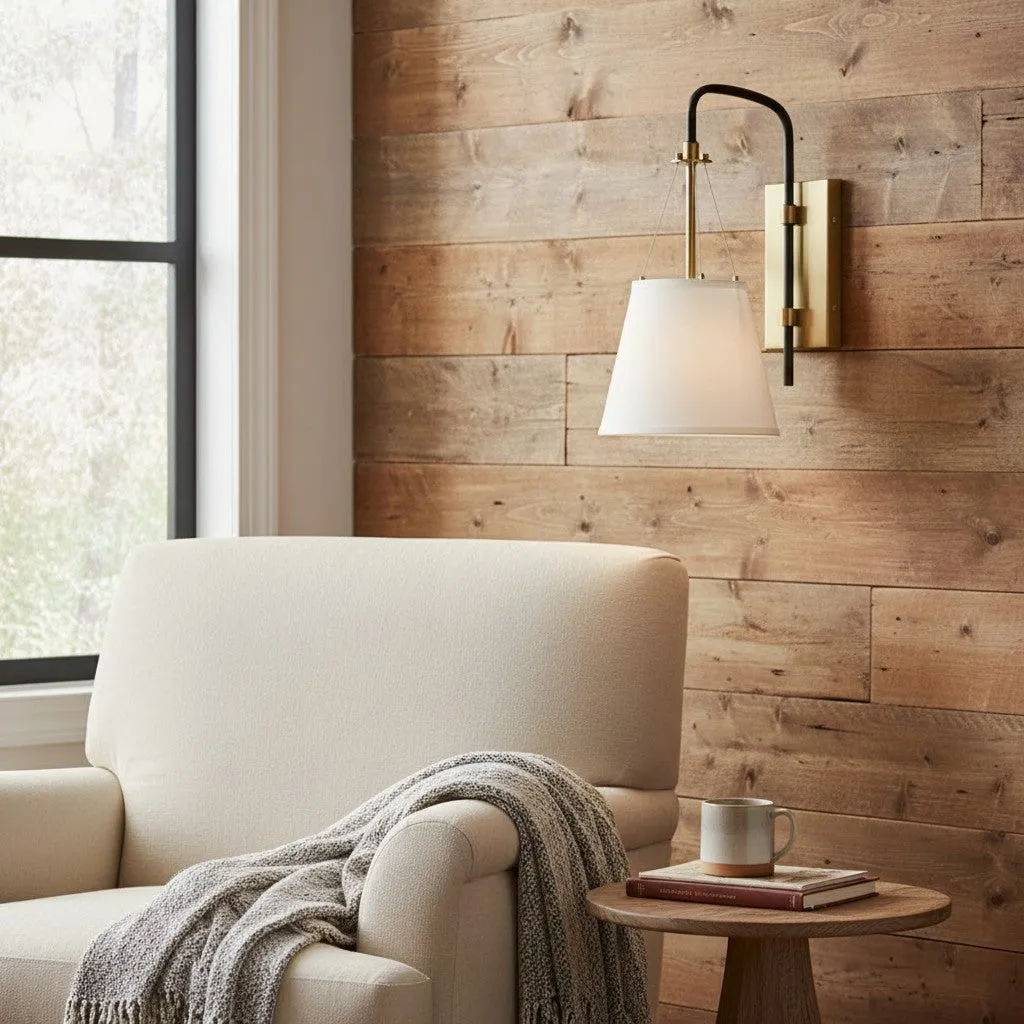
Wall sconces are the ultimate "secret weapon" for layering. They act as both accent and task lighting depending on where they are placed. By adding an Isabella Modern Metal Linen Wall Sconce to a hallway or bedroom, you add a layer of warmth that a standard ceiling light simply cannot replicate.
4. Choosing the Right Materials and Textures
The materials of your lamp determine the "temperature" of the room's style. Metal brings a sense of permanence and coolness, while fabric—especially linen—brings organic warmth and diffuses light beautifully.
The linen shade on the Isabella Sconce is particularly effective because it hides the harsh glare of the bulb, emitting a soft, romantic glow that is perfect for evening relaxation. When paired with its sturdy metal base, it bridges the gap between industrial durability and domestic comfort.How to clean and maintain linen lampshades to keep them looking new?

5. Room-by-Room Style Strategy
The Bedroom
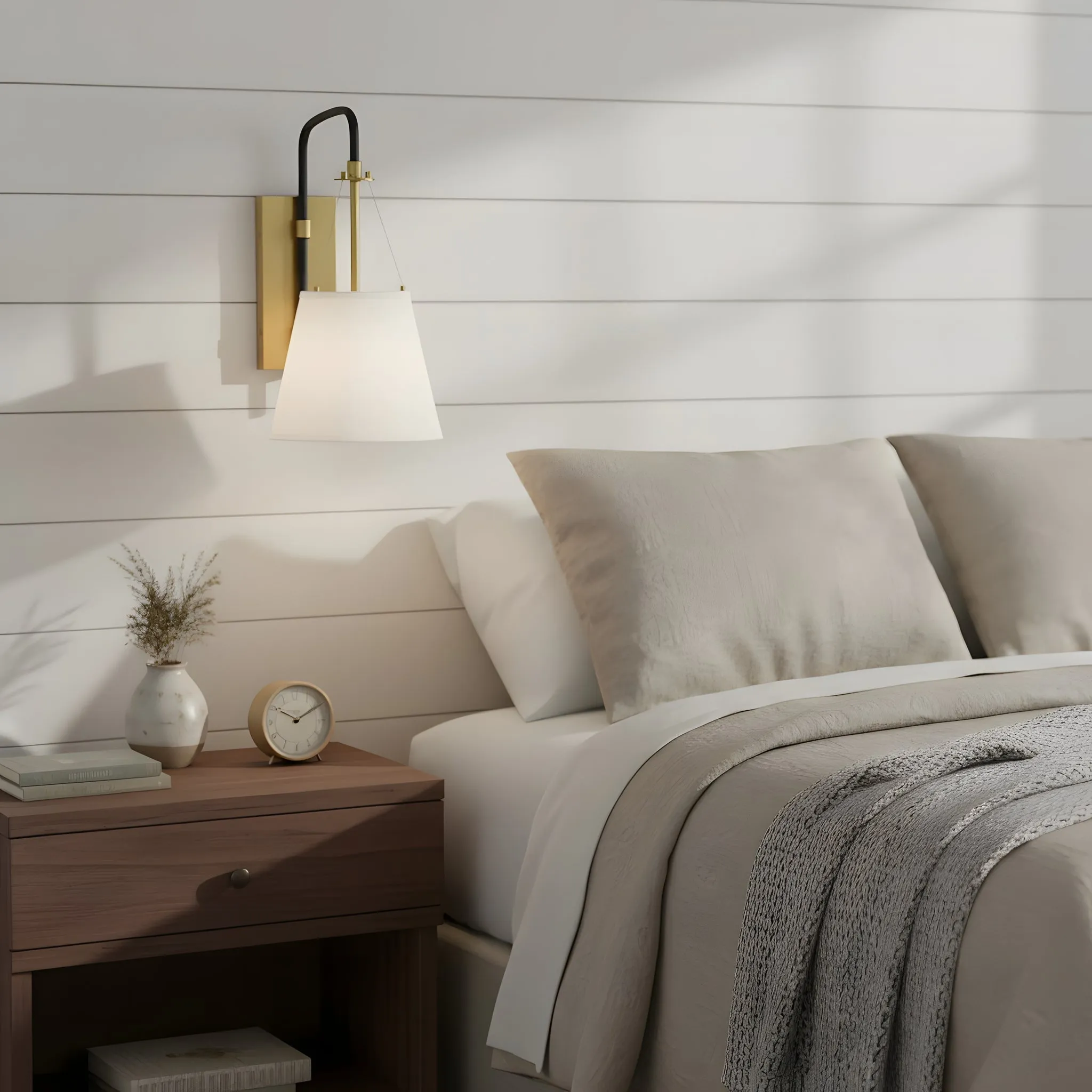
In the bedroom, you want to avoid "harsh" light. Using wall sconces instead of bulky bedside lamps saves space on your nightstand and creates a high-end hotel feel. Position your sconces about 30 inches above the mattress for the best visual and functional results.
The Living Room
Use lighting to define zones. A sconce placed next to a bookshelf creates a dedicated reading nook. A pair of sconces flanking a fireplace draws the eye to the hearth, making it the focal point of the room.
The Hallway
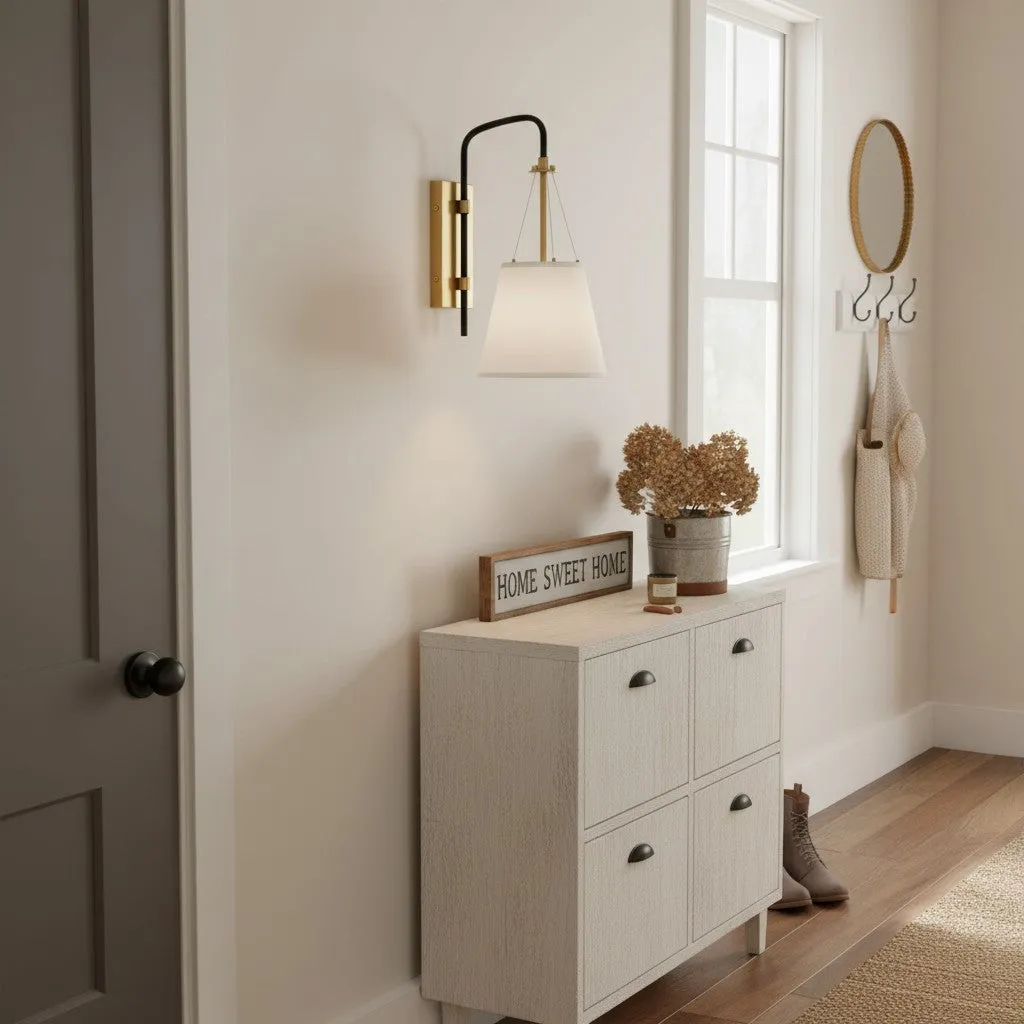
Don't neglect your transit spaces! Hallways can often feel like tunnels. Installing a series of elegant wall lights breaks up the length of the hall and adds a sense of rhythm and luxury to the journey from room to room.
6. Scale and Proportion: Bigger Isn't Always Better
One of the biggest hurdles in choosing a style is getting the scale right. A fixture that is too small will look lost, while one that is too large will overwhelm the furniture. For a wall sconce, consider the height of your ceilings. In a standard 8-foot ceiling room, a sconce should be mounted so the center of the light is roughly 60-64 inches from the floor.
Conclusion: Light Your Way to a Better Home
Choosing the right lighting style doesn't have to be a chore. By understanding your home’s architecture, layering your light sources, and selecting high-quality materials like metal and linen, you can create a space that feels curated and intentional.
If you are ready to elevate your home with a piece that defines modern elegance, the Isabella Modern Metal Linen Wall Sconce is the perfect place to start. Its timeless design ensures it will remain a staple in your home even as trends change.
Transform your walls today:
Shop the Isabella CollectionFrequently Asked Questions About Buying Wall Sconces
How do I know whether a wall sconce is hardwired or plug-in?
Check the product specifications for the power source, cord, switch, and mounting instructions. A hardwired sconce normally connects to wiring inside a wall junction box and should be installed by a qualified electrician. A plug-in model uses a visible cord and wall outlet, although some products can be converted only with manufacturer-approved parts.
Will the mounting plate fit my existing wall junction box?
Compare the mounting plate dimensions, screw spacing, fixture canopy, and total weight with the existing electrical box. Older, unusually small, shallow, or off-center boxes may require a compatible bracket or electrical work. Confirm these details before ordering, especially when replacing a fixture without repairing or repainting the wall.
Which bulb size, base, and wattage should I buy for a fabric-shade sconce?
Use the bulb base and maximum wattage stated by the manufacturer, and check the bulb's physical length and diameter as well as its brightness. A bulb can have the correct base but still extend beyond the shade or sit too close to the fabric. LED bulbs usually produce less heat, but they must still comply with the fixture's listed limits.
Why does a new wall sconce flicker or buzz when dimmed?
The bulb, LED driver, and dimmer may not be compatible, or the dimmer may have a minimum-load requirement. Before purchase, confirm that the fixture or bulb is dimmable and ask which dimmer types have been tested. Persistent flickering, buzzing, or irregular operation should be assessed by a qualified electrician.
Why can a linen shade look darker or more yellow than it appeared online?
Fabric weave, backing material, bulb color temperature, brightness, and screen settings all affect the perceived shade color. Review both illuminated and unlit product photos, confirm whether the shade is natural or synthetic linen, and remember that the same shade can appear warm with one bulb and neutral with another.
What should I measure before installing one or two bedside sconces?
Measure the bed and mattress height, nightstand width, fixture width and projection, shade position, switch reach, and the distance between fixtures. Mark the full fixture outline on the wall before drilling. For a pair, measure from a shared reference point so the lights align even if the bed or surrounding furniture is not perfectly centered.
Can any decorative wall sconce be installed in a bathroom?
No. Check whether the fixture is specifically rated for damp or wet locations and whether that rating suits its distance from the sink, shower, or bath. A standard dry-location sconce should not be exposed to condensation or splashing. Local electrical requirements and the manufacturer's installation instructions take priority.
What should I do if the sconce arrives scratched, bent, or missing hardware?
Do not install or energize it. Photograph the shipping box, labels, internal packaging, finish, shade, mounting plate, and all included parts. Compare the contents with the instructions, contact the seller within the damage-reporting period, and keep the original packaging until the replacement or return is resolved.
What return details should I check before buying a wall light online?
Confirm the return window, restocking fee, return-shipping responsibility, damage-reporting deadline, and whether opened, assembled, wired, or installed fixtures remain eligible. Also check whether color variation or minor finish differences are treated as defects. Inspect and dry-fit the fixture before permanent installation whenever the policy allows it.