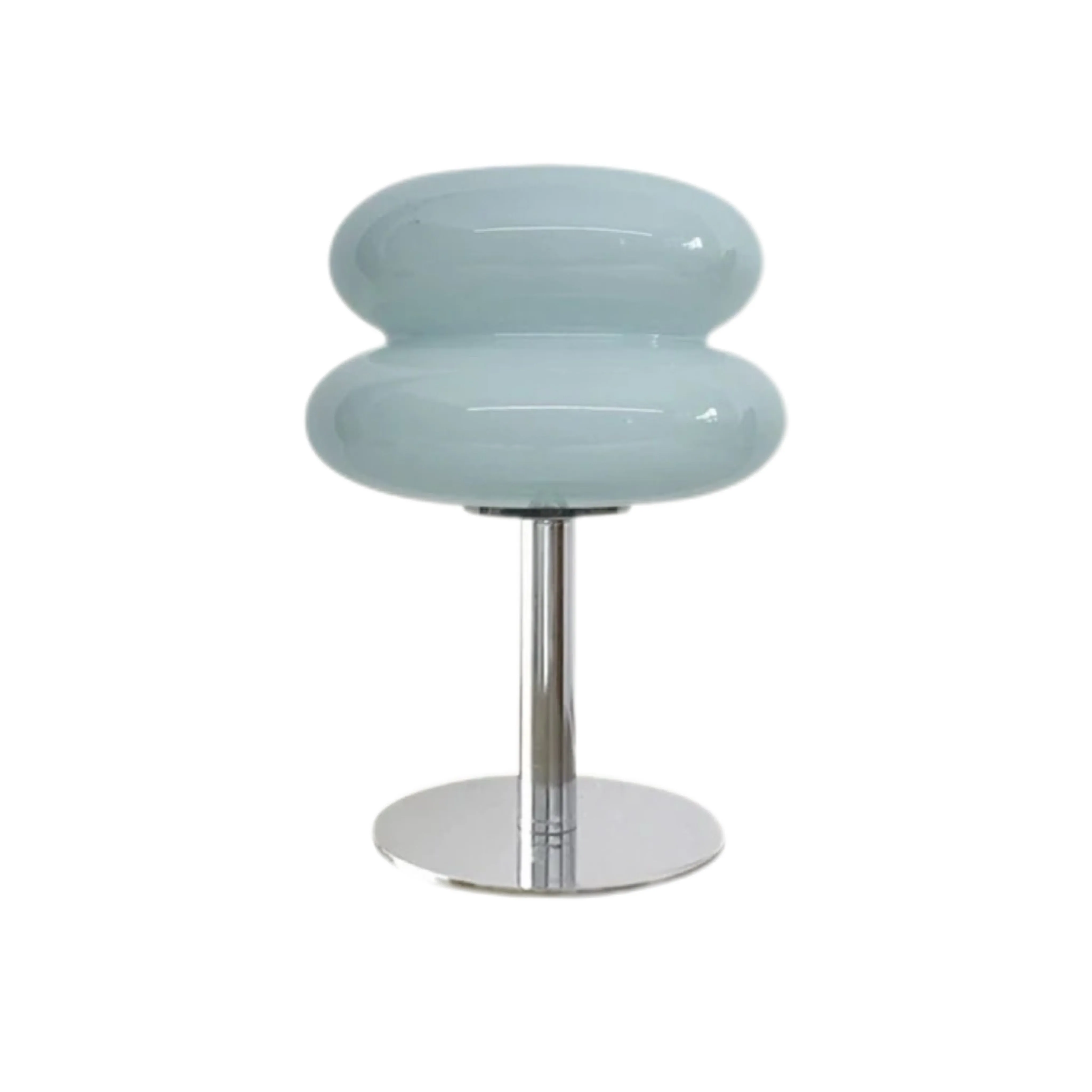
Un'illuminazione d'ambiente accogliente non nasce rendendo uniformemente luminoso il soggiorno. Nasce collocando alcune zone di luce confortevole dove la stanza viene realmente utilizzata, tenendo l'abbagliamento fuori dalle normali linee di visuale e lasciando aree più tranquille tra una zona e l'altra. Una lampada da tavolo è ideale perché porta la luce all'altezza degli occhi da seduti e trasforma un tavolino, una consolle o una mensola in un punto focale.
Risposta rapida: crea un delicato triangolo di luce
Inizia con una lampada da tavolo accanto alla zona principale per sedersi, mantieni una seconda luce più morbida sul lato opposto o dietro la stanza e usa la luce del soffitto solo quando l'attività lo richiede. Scegli un paralume che ammorbidisca la lampadina, prova la lampada da seduti e ripeti un colore o un materiale altrove. Il risultato deve guidare lo sguardo senza esporre una lampadina luminosa né appiattire ogni angolo.
Assegna a ogni luce una funzione chiara
Una stanza confortevole combina tre funzioni. La luce d'ambiente facilita il movimento e definisce l'atmosfera. La luce funzionale supporta lettura, giochi e conversazione. La luce d'accento richiama l'attenzione su opere d'arte, texture, piante o oggetti. Una lampada da tavolo può contribuire a tutte, ma dovrebbe avere una funzione principale.
Punto focale d'ambiente
Colloca la lampada dove il paralume sia visibile dall'ingresso e la luce possa raggiungere una parete vicina.
Supporto alla lettura
Avvicinala al libro o alla poltrona affinché la luce raggiunga la pagina senza una lampadina inutilmente luminosa.
Luce per la conversazione
Usa una lampada schermata vicino ai volti, ma non tra di essi: serve una luce delicata, non un punto diretto.
Accento decorativo
Lascia che il vetro colorato o la base scultorea offrano interesse, mantenendo semplice il resto della superficie.
Per una lampada come punto focale caldo, consulta le finiture e le dimensioni della lampada da tavolo in vetro Marta Modern Bauhaus.
Progetta la stanza dal divano, non dal soffitto
Prima mettiti sulla porta, poi siediti su ogni posto usato regolarmente. Osserva superfici visibili, riflessi sul televisore e l'eventuale lampadina nella linea di visuale. Una lampada equilibrata in piedi può risultare aggressiva da un divano basso; il paralume non deve ostacolare la conversazione.
Spegni il soffitto e accendi solo le lampade esistenti. Le zone buie non sono automaticamente un problema: mantieni ombre tranquille negli angoli inutilizzati e aggiungi luce dove si cammina, si legge, si appoggia un bicchiere o si cerca un comando.
Quattro disposizioni accoglienti
1. Luce accanto al divano
Metti la lampada su un tavolino stabile accanto al posto più utilizzato, lasciando spazio per bicchiere e libro.
2. Riflesso sulla consolle
Usa una consolle contro una parete chiara: la luce riflessa amplia la zona senza una lampadina più potente.
3. Composizione a due altezze
Abbina una lampada da tavolo a una luce da terra o da parete più alta per creare profondità.
4. Accento sulla mensola
Usa una lampada compatta su una mensola stabile, con spazio attorno e il cavo disposto prima.


Per scegliere tra lampada da tavolo e da terra, consulta la guida al confronto. Varia altezza e direzione, mantenendo ogni lampada legata a un'attività reale.
Progetta tre momenti d'illuminazione
Il primo è l'arrivo: dopo il tramonto la lampada deve rendere riconoscibile la zona per sedersi e il percorso verso l'interruttore. Il secondo è il relax: deve ammorbidire volti e superfici senza riflessi sullo schermo. Il terzo è l'uso concentrato, come lettura o gioco: avvicina la luce all'attività e aggiungi il soffitto solo quando serve.
Stabilisci una routine: lampada da tavolo all'arrivo, luce morbida opposta durante il relax, sorgente da lettura o soffitto per l'uso concentrato. Una routine ripetibile crea un progetto coerente senza comandi complessi.
Usa pareti, tessuti e mobili per modellare la luce
Una parete chiara e opaca riflette delicatamente; pareti scure, velluto e divani profondi assorbono. Vetro, pietra lucida, specchi e mobili laccati producono riflessi netti. Prima di cambiare lampadina, sposta la lampada di 10-20 cm e osserva la risposta delle superfici.
Per un effetto ampio lascia che la luce raggiunga una parete senza appoggiare il paralume. Per una zona intima avvicinala alla poltrona. Tieni gli oggetti riflettenti fuori dal percorso diretto della lampadina, soprattutto davanti a televisore o posto usato spesso.
Prova il colore accanto a vero divano, tende, legno e pittura. Il vetro colorato può diventare più intenso acceso e più discreto di giorno. Ripeti il colore una sola volta in un cuscino, libro, opera o piccolo oggetto.
Fotografa stanza e divano principale. Rimuovi o sposta un oggetto alla volta finché lampada, luce e spazio negativo formano una composizione unica.
Scegli lampadina e paralume come un unico sistema
La luminosità sulla confezione è solo il punto di partenza. Un paralume trasparente emette diversamente dal vetro colorato o opalino; una parete scura assorbe più luce. Scegli una lampadina E27 compatibile, entro la potenza massima, confortevole per la funzione. In una lampada non dimmerabile, inizia con prudenza.
La luce calda sostiene l'atmosfera serale, ma la temperatura di colore non risolve l'abbagliamento: la lampadina deve essere schermata dagli occhi. Per una verifica guidata consulta Quanto deve essere luminosa una lampada da tavolo in soggiorno? e prova la lampadina di notte con gli altri livelli accesi e spenti.
La Marta usa una lampadina E27, ha un massimo di 40 W e non è dimmerabile. Controlla questi limiti sulla pagina Marta, poi scegli in base a colore del paralume e attività.
Crea ritmo senza un set coordinato
Ripeti un elemento, come vetro caldo, silhouette arrotondata o colore tenue, ma varia altezze e funzioni. Due lampade identiche funzionano su una consolle simmetrica; abbinare ogni luce può rendere il soggiorno costruito.
Lascia respiro visivo. Marta misura circa 20 cm di diametro e 28 cm di altezza: segna un cerchio a grandezza naturale e disponi attorno gli oggetti quotidiani.
Piccoli errori che appiattiscono l'atmosfera
- Illuminare ogni angolo allo stesso modo: conserva il contrasto.
- Mostrare la lampadina dal divano: sposta lampada, cambia paralume o riduci intensità.
- Ignorare gli schermi: prova con televisore acceso e da ogni posto.
- Affollare la base: lascia spazio a vetro, cavi, bicchieri e libri.
- Nascondere l'interruttore: i comandi devono essere raggiungibili.
Per una diagnosi completa consulta Dove posizionare le lampade da tavolo in soggiorno: 7 errori da evitare.
Una semplice configurazione serale

- Spegni la luce centrale e identifica l'attività principale.
- Colloca una lampada schermata vicino all'attività.
- Aggiungi una luce più morbida a un'altezza diversa.
- Controlla abbagliamento, riflessi, percorsi, interruttori e cavi.
- Rimuovi un oggetto decorativo da ogni superficie illuminata.
- Solo dopo decidi se serve un'altra sorgente.
Quando una base da 20 cm entra sulla superficie e il paralume crea la luce desiderata, confronta le opzioni di colore Marta con parete, divano e tessuti.
Domande frequenti
Una sola lampada da tavolo può illuminare un intero soggiorno?
Di solito funziona come un livello; aggiungi un'altra sorgente per movimento, attività o stanze grandi.
Tutte le lampade devono avere la stessa temperatura di colore?
Temperature vicine creano calma, ma controllare abbagliamento e luminosità è più importante.
Dove va collocata la prima lampada?
Accanto al posto più utilizzato o su una consolle visibile, legata a un'attività reale.
Il vetro colorato è adatto alla luce d'ambiente?
Sì, ma lampadina e paralume devono essere testati insieme.
Quanto spazio vuoto deve circondare una lampada?
Abbastanza perché paralume, interruttore, cavo e oggetti quotidiani funzionino senza affollamento.